Content Hub
.svg)
.svg)
How are banks and fintechs planning for a digital future.

7 reasons Banking as a Service is a game changer
We now live in a world where almost anyone can build and launch innovative, regulated financial products as easily as they can create a Shopify page - that’s the magic of Banking as a Service (BaaS).

Goldman Sachs is leaning into embedded finance: other banks should take note
As 11:FS wraps up its 5th year in business, we can’t help but think about what the next 5 will look like. And our ambitions are big. It’s only just on the right side of scary.
Jobs to be Done: Helping US SMBs make smart and proactive decisions based on their finances
This is the second instalment of a 6 part series that explores the Jobs to be Done (JTBD) for US SMBs that we identified in our recent research. Each blog post explores one of the jobs and how we examined it with a JTBD canvas. If you missed the first post that explains JTBD and the canvas, check it out before reading this.
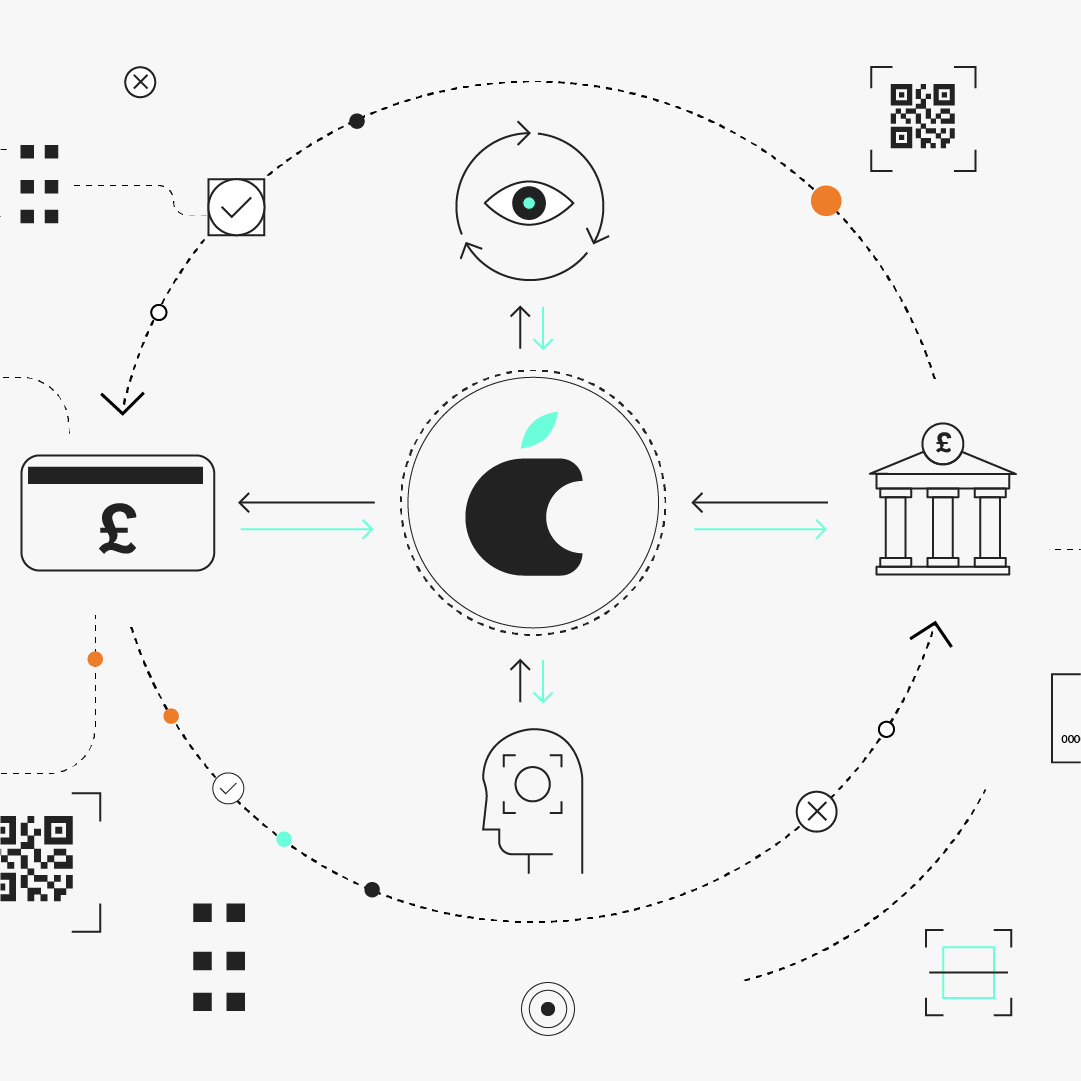
How Apple is leading the charge for brands embedding finance
Cyber attacks are hardly new, so why are banks putting renewed energy into combating them? 11:FS Market Research Analyst Joanne Kumire explains.

11 observations from remote working during lockdown
Pre-COVID, you could’ve called me a globe-trotter. And you wouldn’t have been wrong. As an author, commentator and public speaker, I’m rarely in one place for too long. So getting used to working from home for the past six months has been a revelation, to say the least. In light of World Mental Health Day 2020 (arguably the most important one yet) I thought I’d share some of the observations I’ve made since being thrust into 24/7 remote working. While some of them might be trivial, it’s fair to say I’ve experienced a rollercoaster of emotions. Mental health isn’t a static creature, and it’s bound to fluctuate thanks to the blows we’ve been dealt by the pandemic - I’m sure you can relate.

Jobs to be Done: Helping US SMBs build credibility and legitimacy in order to access funding
This is the final instalment of a 6 part series that explores the Jobs to be Done (JTBD) for US SMBs that we identified in our recent research. Each blog post dives into one of the jobs and how we examined it with a JTBD canvas. If you missed the first post that explains JTBD and the canvas, check it out before reading this.

Seedrs and Crowdcube merger: hot takes
It's a truism that the hardest job in engineering is that of 'Tech Lead'. You're the person who's not only writing code, but simultaneously leading a small group of other engineers and spending large amounts of time talking to stakeholders and the Product Manager (or, ten years ago, *Project* Manager). This is taken from our Unfiltered newsletter. Subscribe now for a no BS, uncensored analysis of fintech news and hot topics delivered to your inbox each fortnight.
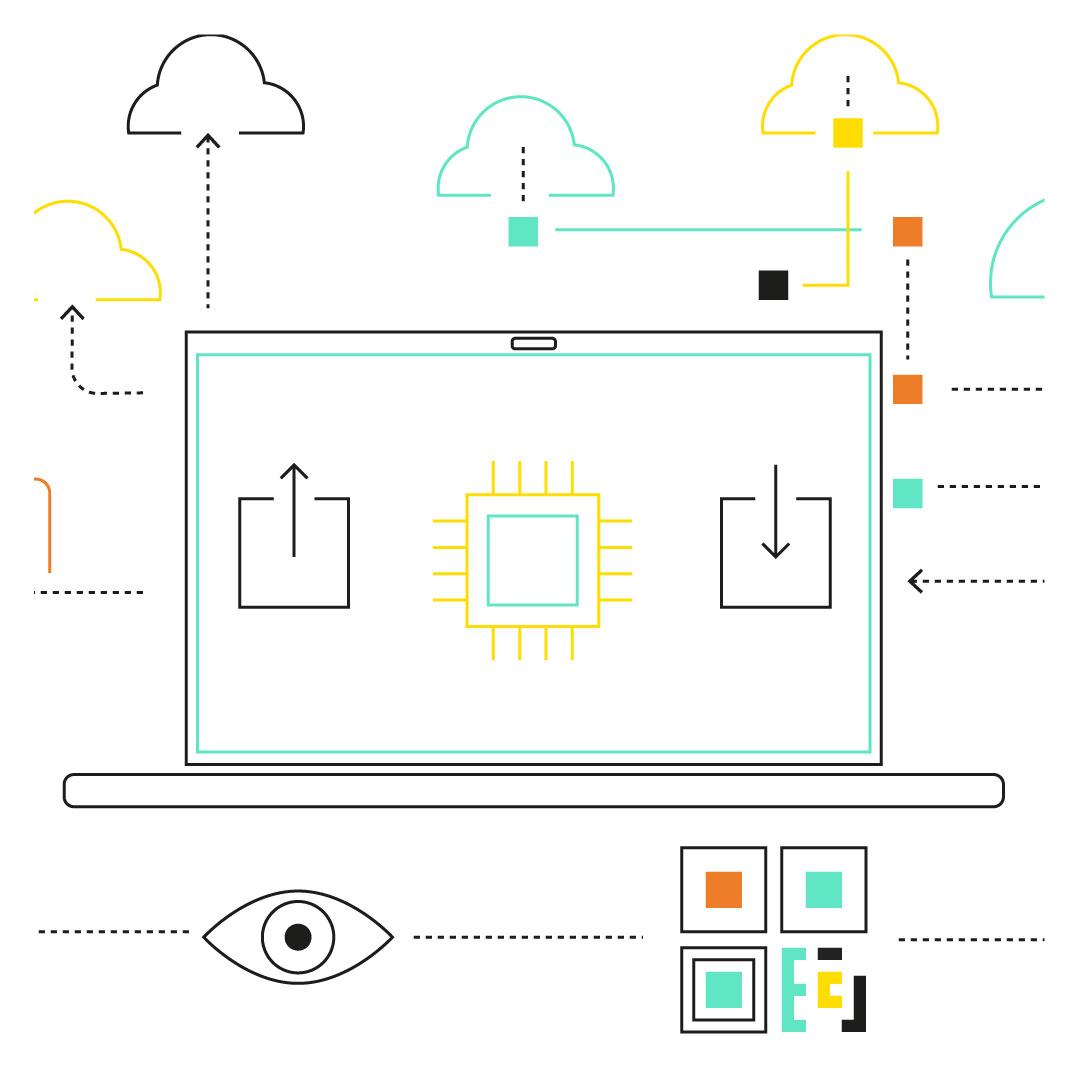
Using the cloud to fly sky high above the competition
As we roll into 2018 thoughts inevitably turn to the big themes that we might expect (and hope) to see for user experience in the financial services industry this year.

Resilience through COVID: How we’ve adapted
RegTech. Regulatory Technology. When most people hear ‘RegTech’ they think it means automating compliance processes – you’d be forgiven if that doesn’t get you excited.
Jobs to be Done: How to help US SMBs keep their personal assets separate from their business finances
Jobs To Be Done (JTBD) is a theory. Its main aim is to explain why customers start - and stop - using different products and services in the market. Stripped down to the essentials, it’s a fairly straightforward concept first introduced by Harvard professor Clayton Christensen that can be adapted into a useful tool for product development.
What the FinCEN files leak means for banks
There’s been a huge leak of files from FinCEN, the US-based Financial Crime Enforcement Network. Over 2000 Suspicious Activity Reports (SARs) and hundreds of other documents appear to show how banks have been unable to prevent trillions in money laundering, tax avoidance and criminality over the past decade. But there's a more in-depth story to uncover here.

Jobs to be Done: How to equip US SMBs with the right tools to track and manage cash flow
This is the third instalment of a 6 part series that explores the Jobs to be Done (JTBD) for US SMBs that we identified in our recent research. Each blog post explores one of the jobs and how we examined it with a JTBD canvas. If you missed the first post that explains JTBD and the canvas, check it out before reading this.

Jobs to be Done: The gaps in US SMB financial services
David M. Brear interviewed Jonathan Larsen, CIO, Ping An and CEO of their Global Voyager Fund, a $1bn investment fund, specifically for fintech. He tells David all about the fund and the innovations in fintech coming from China and making a huge impact worldwide.
My productivity hack: self-reflection and setting priorities
The research on retail payments that I have done over the past couple of months had me thinking about my own payments journey and left me wondering how my own behaviour has evolved and what drove me to make such payments?
How digital customer support can help banks during COVID-19 and beyond
At the beginning of 2022, many early-stage investors looked ahead with optimism as we emerged from the depths of the COVID-19 pandemic, and global economies started to show signs of growth again.

105
1105. Insights: Who owns the banking relationship in the AI era?
As AI becomes another interface between customers and their money, could banks lose their place at the centre of the financial relationship?

1099
1099. Insights: Subscription banking - Can banks turn customers into subscribers?
Subscription banking is growing – but what makes customers willing to pay for something they’ve traditionally expected for free?

1093
1093. Insights: What it’s really like to start a fintech in 2026
Starting a fintech has never been easier but has building a successful one ever been harder? Host David M. Brear is joined by Fatbardha Rino, CEO of Jet Bank, and Herbie Wildwood, Founder of Legacy, to explore what it really takes to build

1091
1091. Insights: Can AI make us financially healthier?
About this episode: For years, financial wellness has focused on helping people become better at managing their money. But what if the next generation of financial products could take some of that burden away entirely? Host Ross Gallagher

1085
1085. Insights: Are Neobanks replacing private banking?
For years, neobanks competed by offering better banking experiences. Now, the biggest players are expanding into investing, AI-powered financial guidance, wealth management and premium services—areas once dominated by private banks.
1083
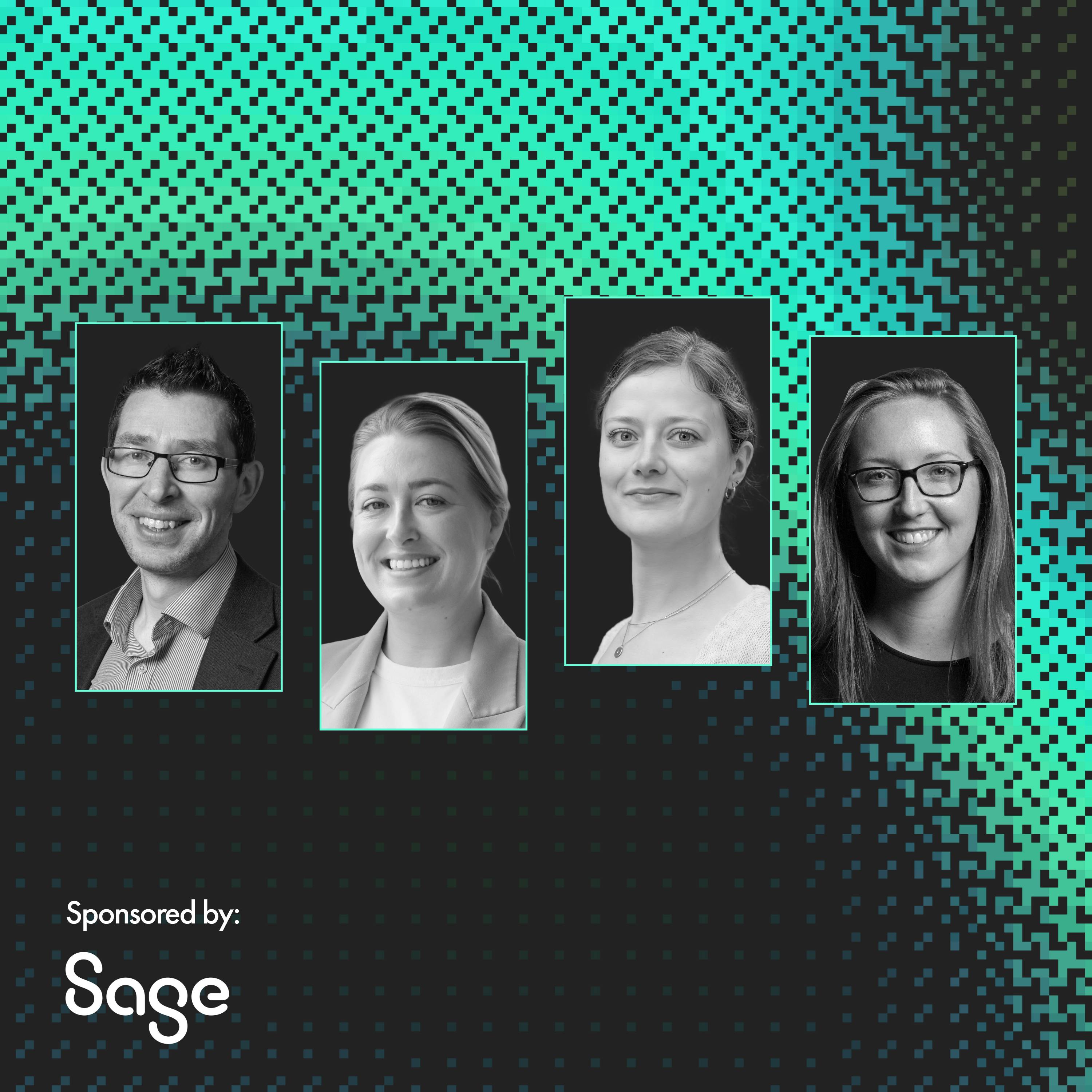
1083. Insights: Why does running a business still feels harder than it should? With Sage
In this episode, with partnership with Sage, we're exploring why running a business still feels harder than it should—and how embedded experiences are changing that. Host Kate Moody, Customer Strategy Director at 11:FS, is joined by Gordon Stuart, SVP of Embedded Services at Sage, Emma Campbell, Chief Banking Officer at @One.io, and Sarah Kocianski, fintech consultant and analyst.
.jpg)
1077
1077. Insights: What does it take to build the bank of the future? With Engine by Starling
In this episode, we're exploring what it takes to build modern banking technology from the ground up. Host Ross Gallagher - Head of Consulting at 11:FS - joined by Sam Everington, CEO of Engine by Starling, and Jody Bhagat, President of North America at Engine by Starling.

1073
1073. Insights: From stablecoins to AI agents - how Stripe is changing the internet economy
In this special episode of Fintech Insider Insights, recorded live at Stripe Tour London, we're joined by two Stripe leaders to explore how the internet economy is evolving - and the infrastructure powering its next chapter.
1071
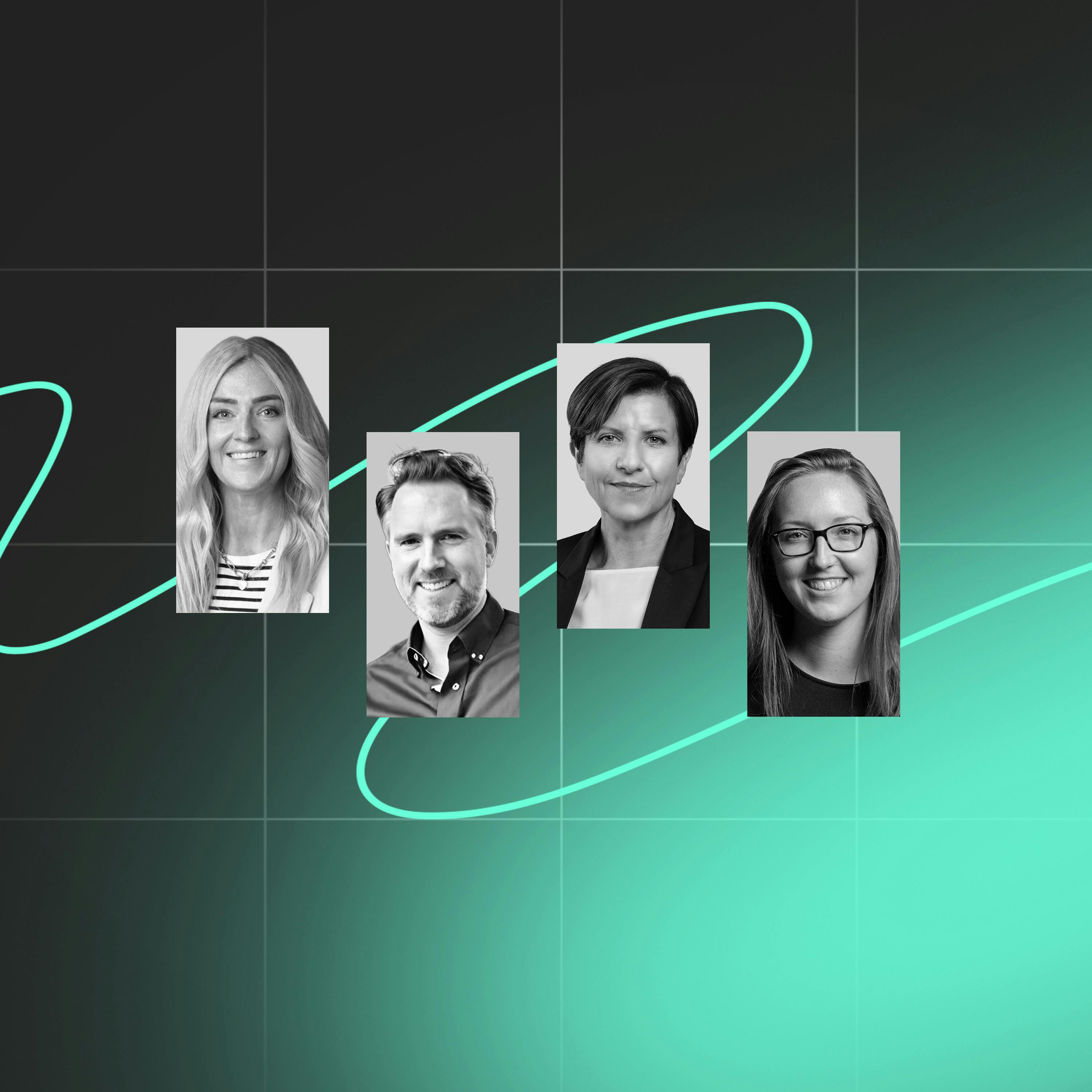
1071. Insights: Fintech's coming home - The growing relationship between fintech and football
What do Arsenal, Manchester United, Nottingham Forest and the Home Nations football teams have in common? They're all partnering with fintech brands.

1067
1067. Insights: Can regulation become fintech’s biggest enabler?
Is regulation really the thing slowing innovation down — or is the bigger challenge how firms respond to it?
.jpg)
1065
1065: Insights: Is agentic AI the future of investing?
As AI moves from supporting investment decisions to making them, what happens to trust, accountability, and control?
.jpg)
1063
1063. Insights: Can traditional banking survive the AI era?
In this episode of Fintech Insider Insights, in partnership with Backbase, David Brear is joined by Jouk Pleiter, CEO & Founder of Backbase, to explore why banking may be approaching a breaking point in its architecture.

1061
1061. Insights: The advice gap: Are banks helping customers or protecting themselves?
Advice is regulated and personalised. Guidance is broader and safer - but that line is starting to blur.
1047
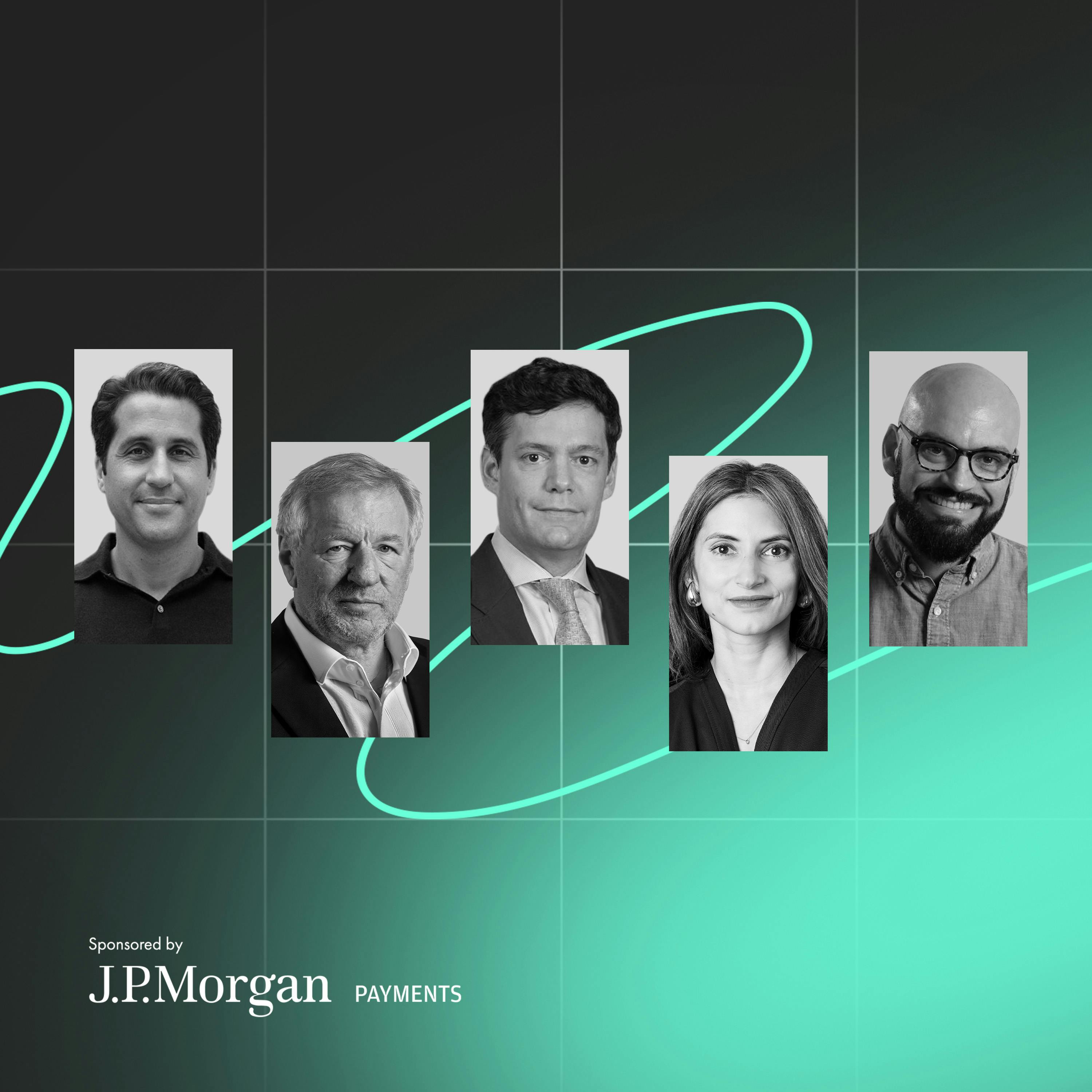
1047. Insights: Can you launch a start-up in 2026? Live from J.P. Morgan Payments
Recorded live from J.P. Morgan’s e-commerce and fintech forum, 11:FS CEO David M. Brear is joined by an all-star panel to tackle a deceptively simple question: can you still launch a startup in 2026?
1045
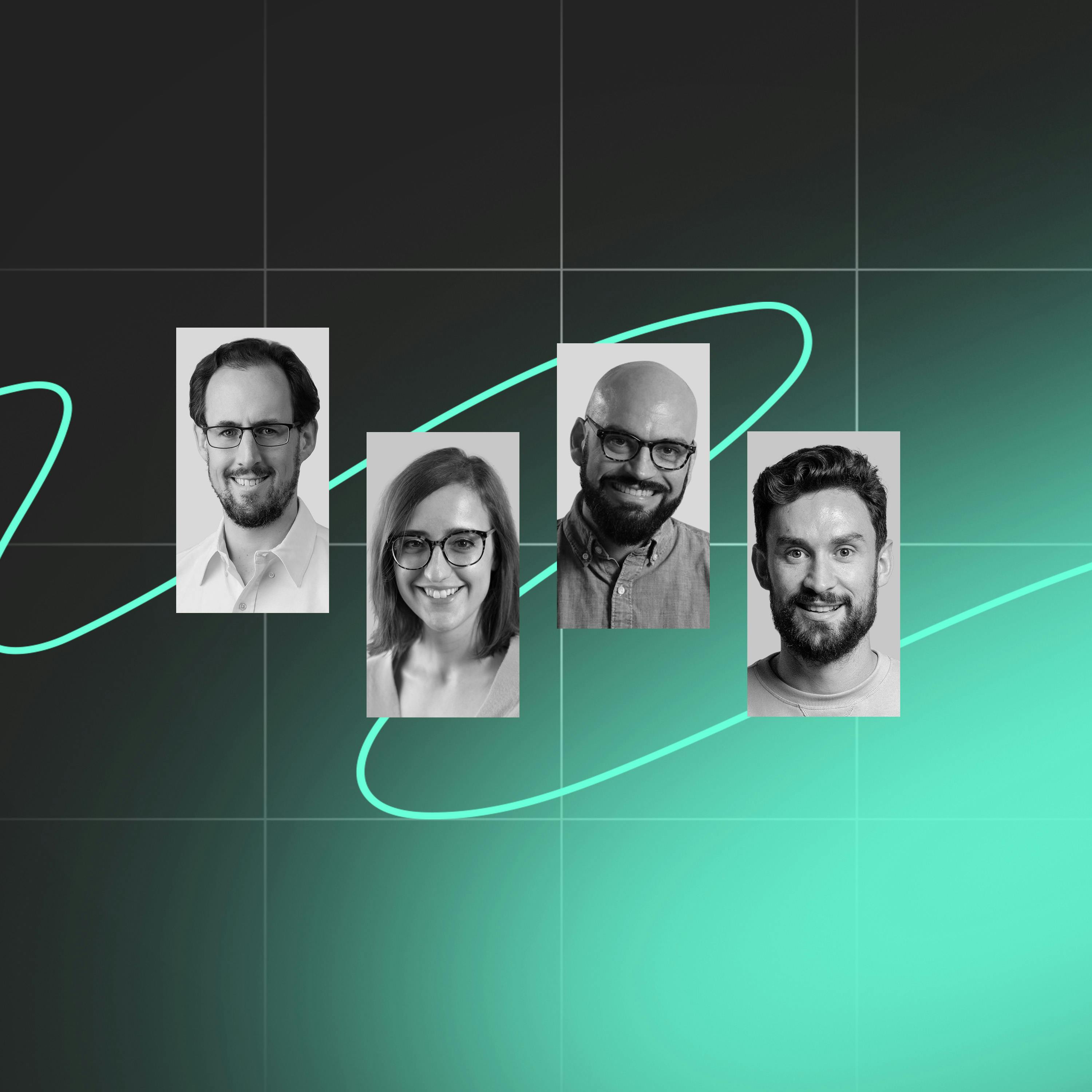
1045. Insights: Has the banking battlefield evolved - and is Revolut built for it?
For years, banking has been framed as a battlefield: incumbents defending their turf while fintech challengers attack with better tech and customer experience. But in 2026, that picture may have changed.

960
Insights: The future of Revolut with UKCEO Francesca Carlesi
The UK banking battlefield has never been more competitive. Customers expectfinancial apps that are personalised, seamless, and that genuinely make a differenc...
960
Insights: The future of Revolut with UKCEO Francesca Carlesi
960
Insights: The future of Revolut with UKCEO Francesca Carlesi
The UK banking battlefield has never been more competitive. Customers expectfinancial apps that are personalised, seamless, and that genuinely make a differenc...
960
Insights: The future of Revolut with UKCEO Francesca Carlesi
960
Insights: The future of Revolut with UKCEO Francesca Carlesi