Content Hub


Customer research, user testing and feedback loops for FS products.

4 fintechs fighting the cost-of-living crisis
Around the globe, millions are feeling the pinch as the cost-of-living crisis continues. The biggest fall in living standards since records began is forecast in the UK, while inflation rates are starting to cool after a tumultuous year across the pond.

The next generation of financial services has to be truly inclusive
We all employ a user-centred design (UCD) approach to inform what products we build and how they should work, but all that customer insight gives us one oft-overlooked learning: the actual language customers use to speak about their problems.

How is fintech helping with customer stress?
Tottenham Hotspur are completely cashless (and trophyless) at their new stadium. Lionel Messi has launched the ‘Messiverse’ in partnership with blockchain platform Ethernity. Manchester City and Laybuy have teamed up to offer a Buy Now Pay Later (BNPL) service to fans. And that’s just the tip of the iceberg.

It's time for community investing to go mainstream
Despite the global economic climate, a lot of banks and fintechs have dipped their toes into the crypto waters in recent months.

Banks: it's time to break free of your legacy tech
You don’t have to spend much time in retail banking before you come across legacy systems - a catch-all term often used to explain why banks are so slow and unresponsive.

Changing the perception of insurance
I recently heard someone suggest that ‘insurance is just like gambling.’ Bit of a stretch, but I could see their point. Both are fundamentally risk-based, and it raised an interesting question - do you ever really ‘win’ in insurance?

Financial exclusion and the gender gap in the Middle East
Tucked away in a small corner of the WeWork offices in Aldgate Tower, I sat down with Ross Gallagher. Financial inclusion is the touchstone on financial products for Ross. Regular host of the Fintech Insider podcast with a history in financial services consulting and research. Ross is known around the office as a tupperware fiend and always up for a laugh but as with many people who work for 11:FS he has a real passion for finance and financial inclusion in particular.

What use is fintech if you can't get online?
A couple of weeks ago I went into an overpriced London salad shop for lunch. Before I could part with my hard-earned money for some wilted spinach and avocado, the connection on the iPad I was ordering on went down.

Stop mistaking clever features for intelligent services
When launching a new product or improving an existing one, it's tempting for product teams to look at competitors as a starting point. But if the goal is to launch a proposition that truly solves your customers' problems, do you even need to look at your competitors in the first place?

Can circular economies do what ESG couldn’t?
This is the second article in a three-part series on how fintech for good (FFG) is helping people and the planet. The first touched on consumer behaviour. If you missed it, check it out here.

How to build a design dream team for your digital product business
This December 2020 cover of The New Yorker has been praised for perfectly capturing the zeitgeist of the time. Of the completely bizarre year we didn’t see coming. The illustrator draws on the mundane everyday to create an image that resonates so well with the magazine’s varied readers.

Product managers have the tools to fix ESG investing
As the saying goes, “success breeds success”. And one of the things that’s interesting in our industry is the alumni of fintechs going on to do great things. It’s no coincidence - there’s a bit of a pattern emerging: The founders of some of the most successful startups of today cut their teeth at the biggest fintechs of yesterday.

Universal crypto adoption will come down to education and design
It’s happening. After months of ‘will they, won’t they’, Monzo is heading Stateside.

Reaching unbanked migrant workers in the Middle East
In a recent report EY point out that the big advantage the UK has in “Fintech” is it’s progressive policy from Government and Regulators. This post examines the latest policy the regulatory sandbox; to understand how it might work, what companies entering it need to know, and how other jurisdictions could repeat the trick. Can it help financial services be a bit more awesome?

Private banking: get truly digital or get left behind
Recently, Nick Miller, Senior Ventures Strategist at 11:FS, published an article on why ESG investing is broken. If you haven't already, go and give it a read before you dive into this one.

1107
1107. Insights: Can banks turn high earners into wealthy customers?
Earning a good salary doesn't necessarily mean building wealth. For a growing group of high earners, often referred to as HENRYs (High Earners, Not Rich Yet), the journey from financial success to long-term wealth can be surprisingly difficult.

Bonus
Bonus: Inside Project Nemo’s mission to make banking work for everyone
Millions of people need support managing their money, but financial services aren't always designed to make that easy, safe or accessible. So what needs to change?

1105
1105. Insights: Who owns the banking relationship in the AI era?
As AI becomes another interface between customers and their money, could banks lose their place at the centre of the financial relationship?

1103
1103. Insights: Who’s winning the US digital banking race?
About this episode: US banking customers have more choice than ever. But does more choice mean better banking? Host Benjamin Ensor is joined by Joe Colchester, Head of Product at 11:FS Pulse, and Oliwia Wasik, Product Manager and Benchmar

1101
1101. Insights: Why does your financial life reset when you move countries? With Paymentology
About this episode: Moving countries has never been easier. But what happens when your financial identity doesn’t move with you? Host Benjamin Ensor is joined by Merusha Naidu, Global Head of Partnerships at Paymentology, Ibrahim Oladele

1099
1099. Insights: Subscription banking - Can banks turn customers into subscribers?
Subscription banking is growing – but what makes customers willing to pay for something they’ve traditionally expected for free?

1095
1095. Insights: Is financial services failing Gen Z?
Gen Z is often told it needs to get better with money. But with younger people facing a very different economic reality, does Gen Z really have a financial literacy problem — or does financial services have a Gen Z problem?

1089
1089. Insights: Why does wealth management arrive too late?
About this episode: For many founders, selling a company is seen as the finish line. But some of the biggest financial decisions around an exit happen long before the deal is done - so why does wealth management so often arrive too late?

1087
1087. Insights: Can anyone fix homebuying?
Buying a home is one of the biggest financial decisions most people will ever make. Yet despite years of digital innovation, the experience remains fragmented, stressful and surprisingly analogue.

1085
1085. Insights: Are Neobanks replacing private banking?
For years, neobanks competed by offering better banking experiences. Now, the biggest players are expanding into investing, AI-powered financial guidance, wealth management and premium services—areas once dominated by private banks.
1077
1077. Insights: What does it take to build the bank of the future? With Engine by Starling
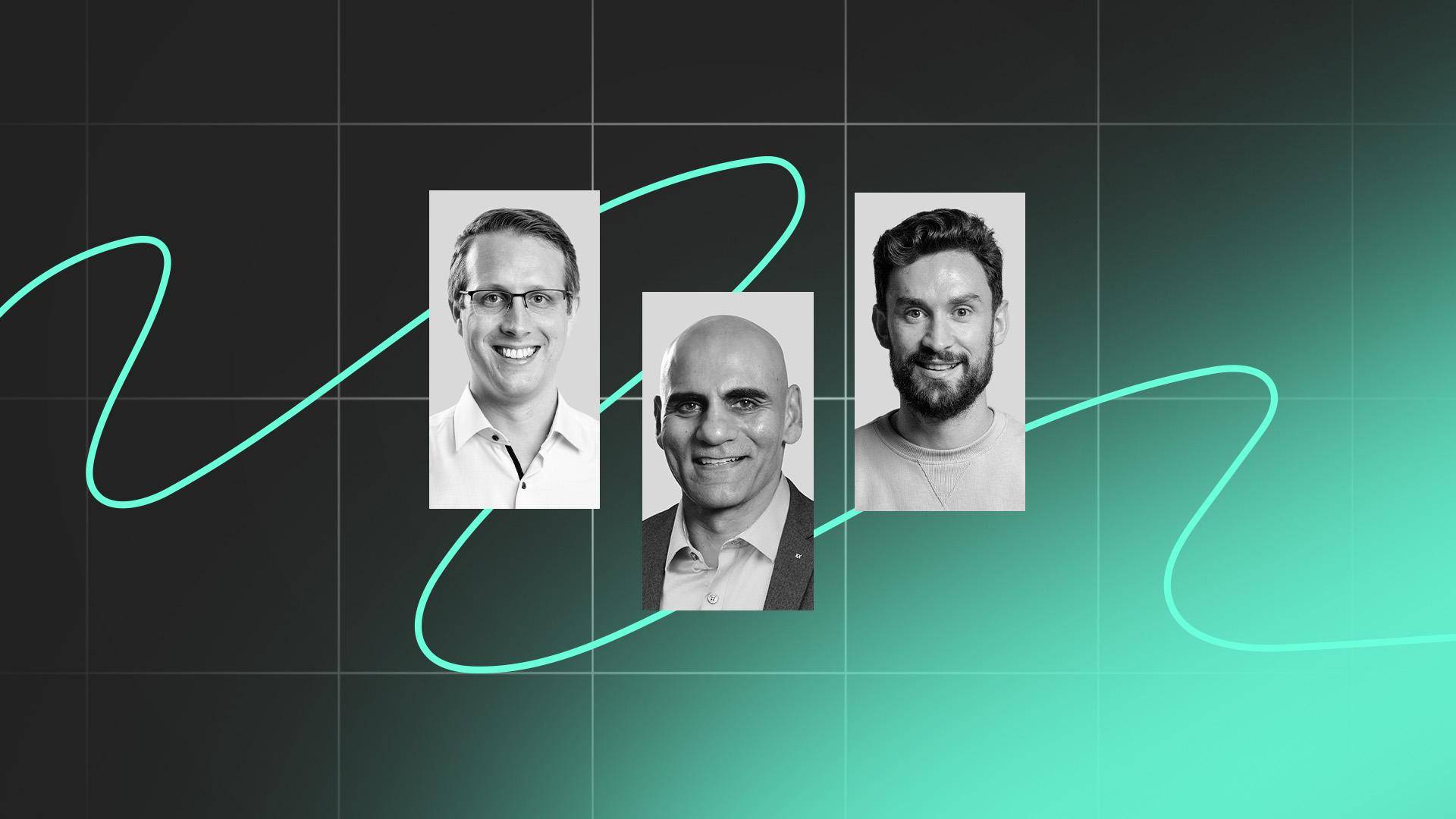
In this episode, we're exploring what it takes to build modern banking technology from the ground up. Host Ross Gallagher - Head of Consulting at 11:FS - joined by Sam Everington, CEO of Engine by Starling, and Jody Bhagat, President of North America at Engine by Starling.

1061
1061. Insights: The advice gap: Are banks helping customers or protecting themselves?
Advice is regulated and personalised. Guidance is broader and safer - but that line is starting to blur.

1057
1057. Insights: From inertia to advocacy: Rethinking customer loyalty in fintech
What does customer loyalty really mean in financial services - and has it ever been real? In this episode of Fintech Insider Insights, Kate Moody is joined by Rosie Lee, Jas Shah, and Alex Johnson to unpack the shifting nature of loyalty in a world where switching is easier than ever.

1033
1033: Insights: How modern finance teams can win the next 10 years
On this week’s episode, in partnership with Pleo, host Benjamin Ensor is joined by Jeppe Rindom, Co-Founder and CEO of Pleo; Søren Westh Lonning, CFO at Pleo; and Megan Cooper, CEO of Caywood, to explore how the role of finance has evolved over the past decade - and what it will take for finance teams to win the next 10 years.

1018
1018: Insights: What it's actually like to build a fintech in the Middle East
In this special episode David M. Brear digs into what it really takes to succeed as a fintech startup in the Middle East alongside some special guests.
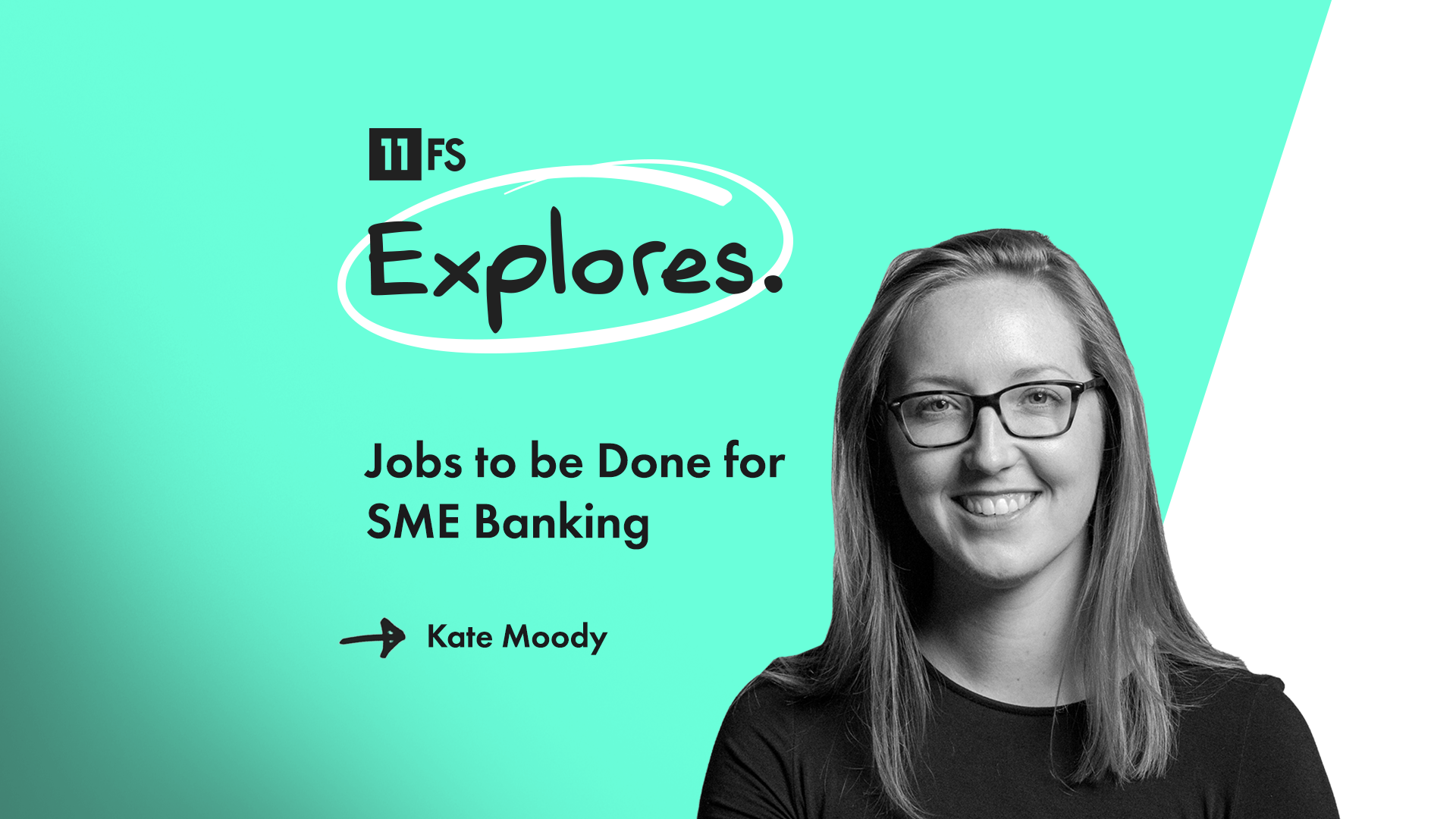
Using Jobs to be Done to revolutionise SME Banking | 11:FS Explores
It's not just a buzzword.
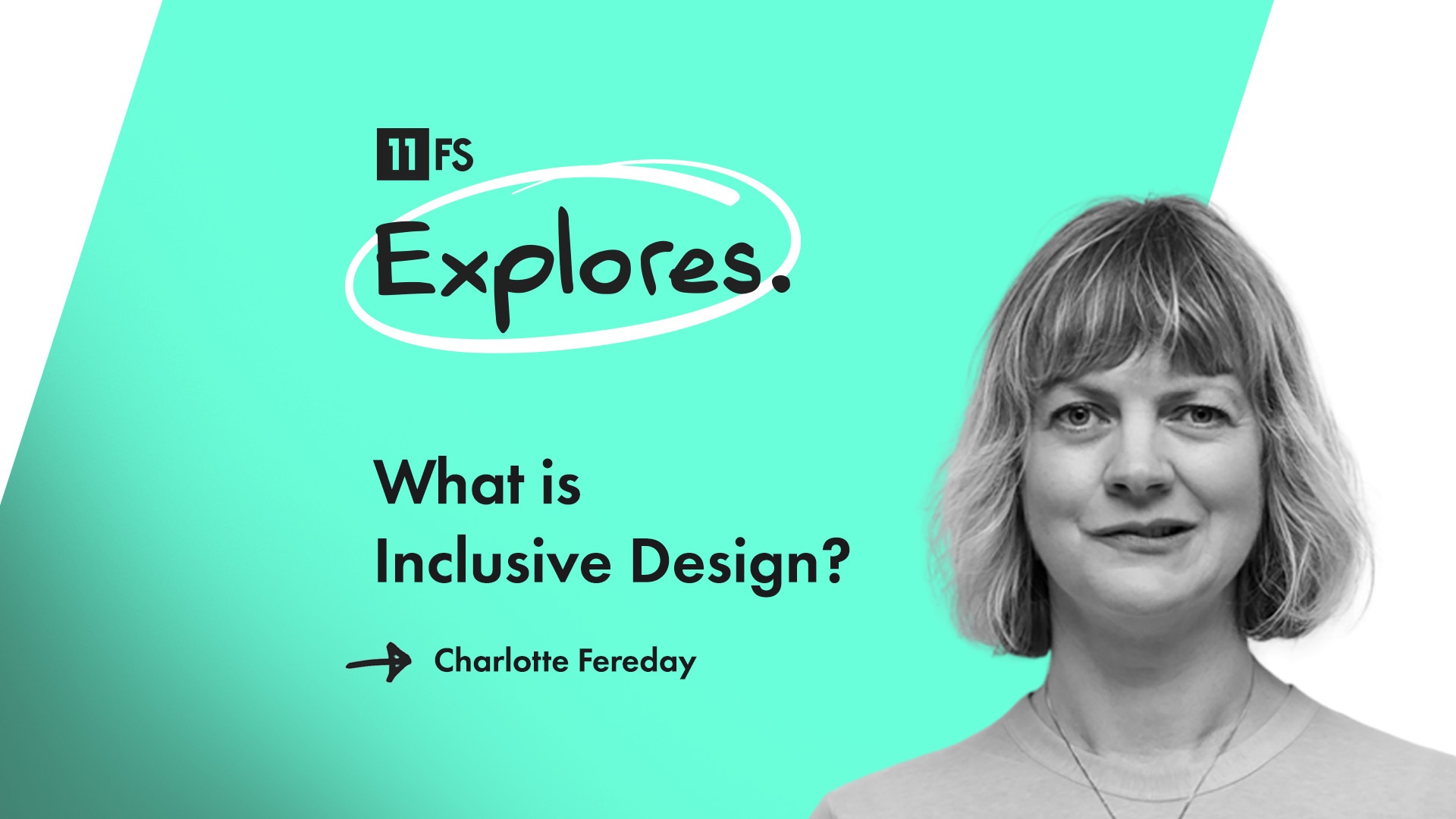


11:FS Explores: Digital R.I.C.H.E.S ft. David M. Brear
11:FS CEO David M. Brear takes to the lightboard to give us the full run-down, with examples of companies that are leading the way.
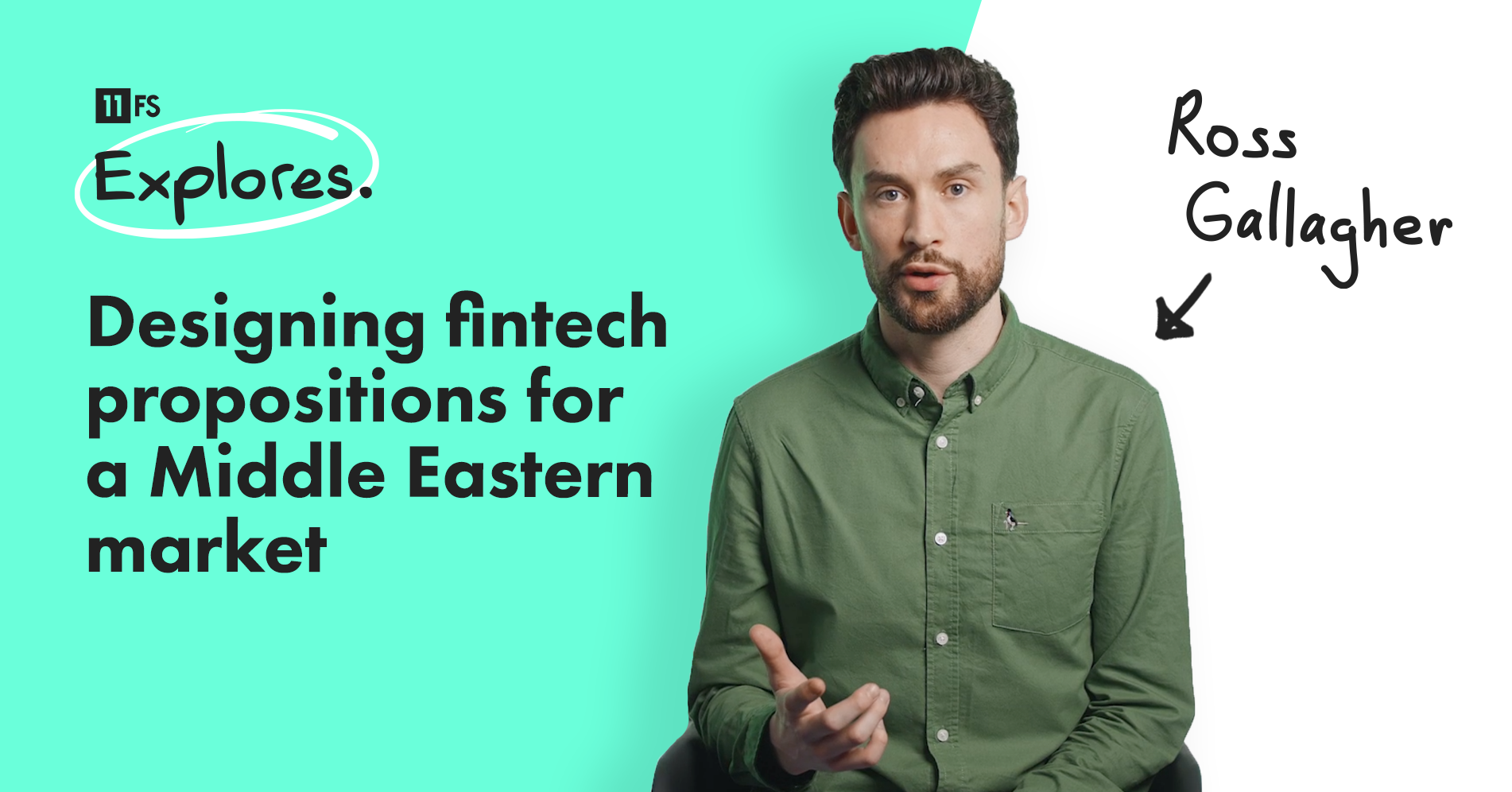
Designing fintech propositions for a Middle Eastern market | 11:FS Explores
There’s no one-size-fits-all design proposition for the Middle-East. While emergent markets such as Oman, the UAE, Saudi Arabia, Kuwait and Bahrain are all seeking to diversify their economies...
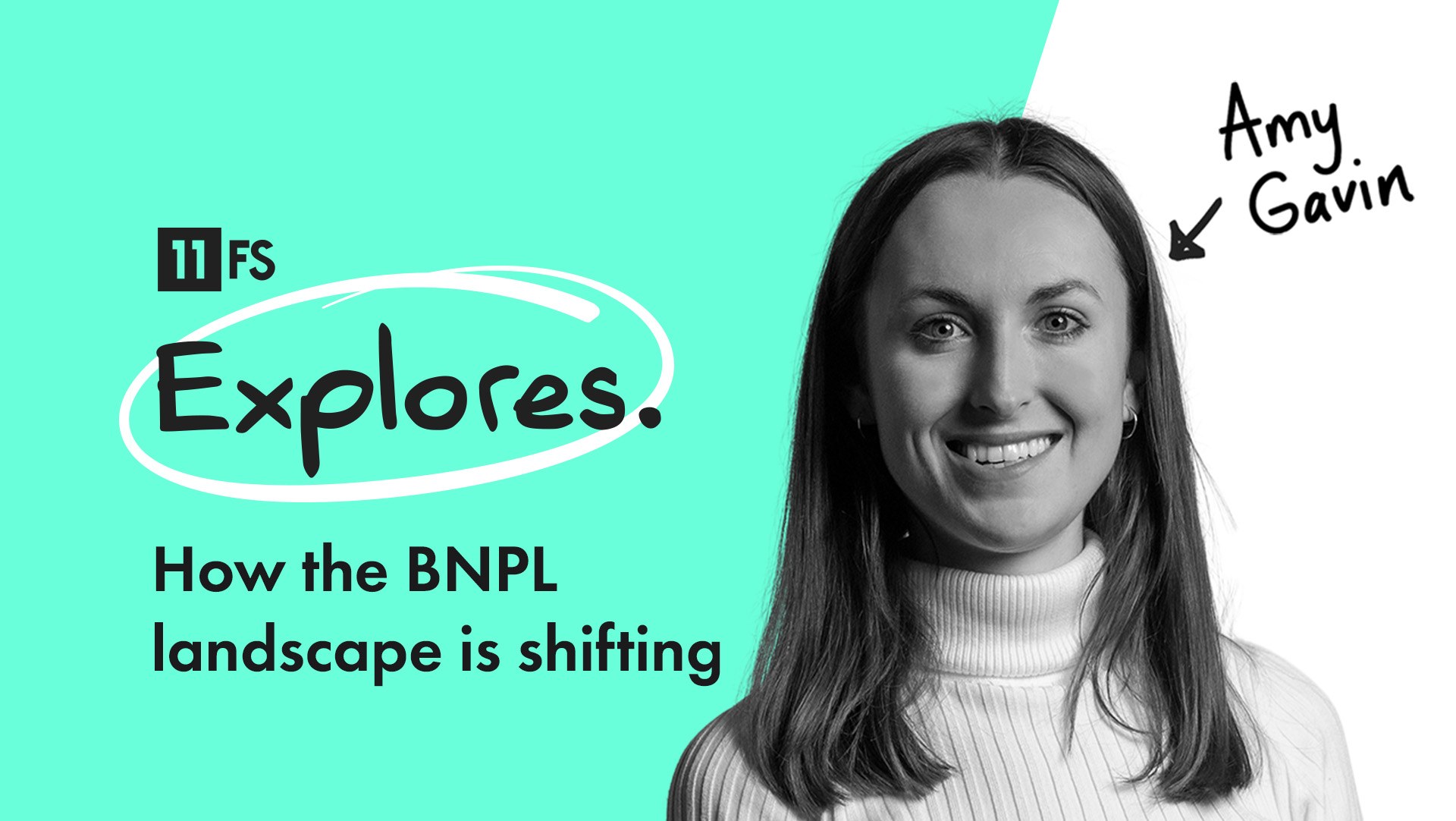
How the Buy Now, Pay Later landscape is shifting with Amy Gavin | 11:FS Explores
Just what is going on with Buy Now, Pay Later right now?


Why Homebuying is broken and how to fix it | 11:FS Explores
There are one billion people globally who can't prove their identity. That's a big problem for accessing financial services.



960
Insights: The future of Revolut with UKCEO Francesca Carlesi
The UK banking battlefield has never been more competitive. Customers expectfinancial apps that are personalised, seamless, and that genuinely make a differenc...
960
Insights: The future of Revolut with UKCEO Francesca Carlesi
960
Insights: The future of Revolut with UKCEO Francesca Carlesi
The UK banking battlefield has never been more competitive. Customers expectfinancial apps that are personalised, seamless, and that genuinely make a differenc...
960
Insights: The future of Revolut with UKCEO Francesca Carlesi
960
Insights: The future of Revolut with UKCEO Francesca Carlesi