Content Hub
.svg)
.svg)
Europe
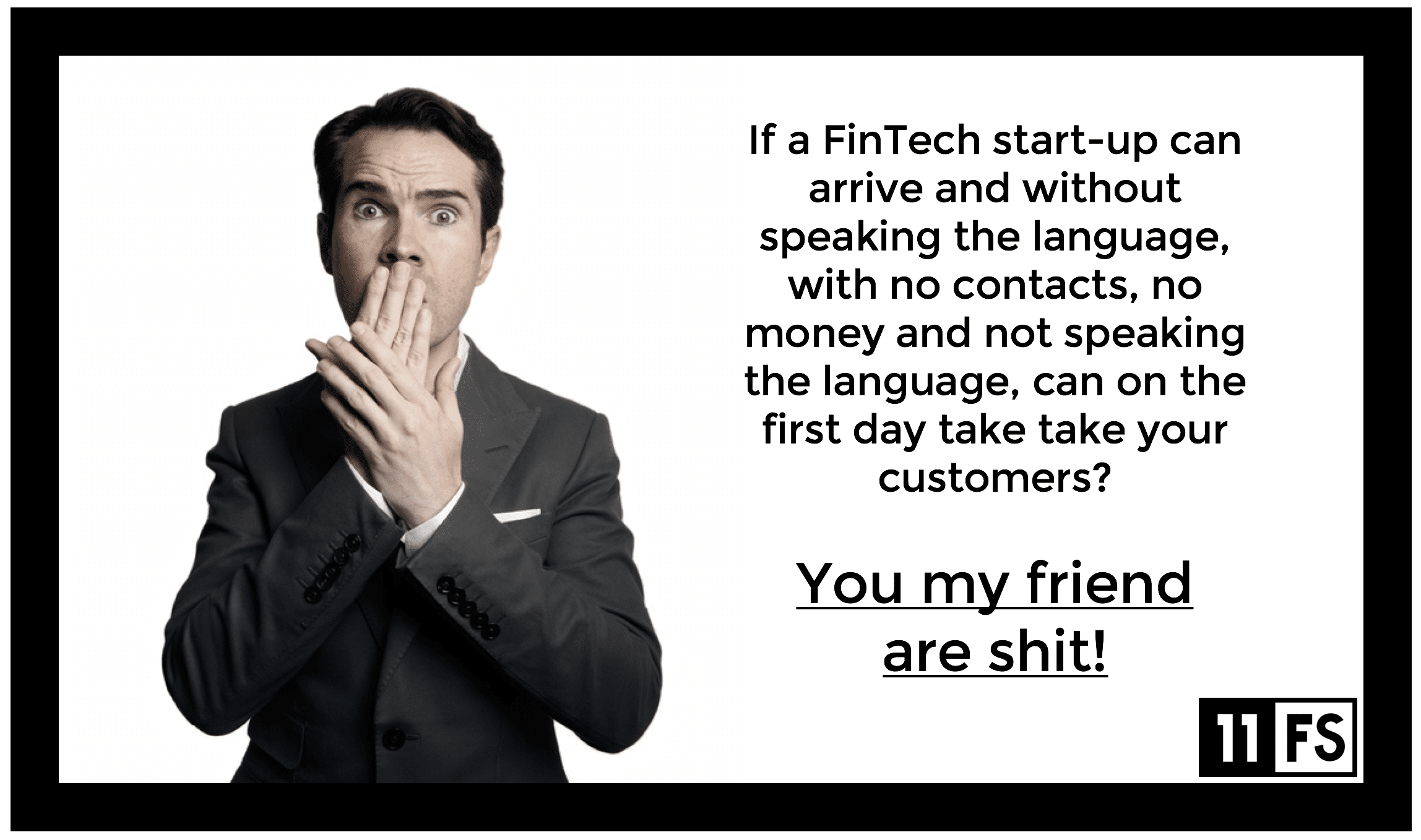
Bank Innovation – Why are the most innovative banks outside the UK? Case Study: @HellenicBank
I hope I am not about to shatter anyone’s egos here but this is something that has puzzled me for a long time; Why are most innovative banks outside the UK? So what’s the deal? The UK is the center of the FinTech world, on most people’s listings. We have the regulator who supports innovation and we have a blossoming design and technology pool to pluck talent from. So why I ask are UK banks the “also rans” of European banking innovation fronts? How can this be the case?
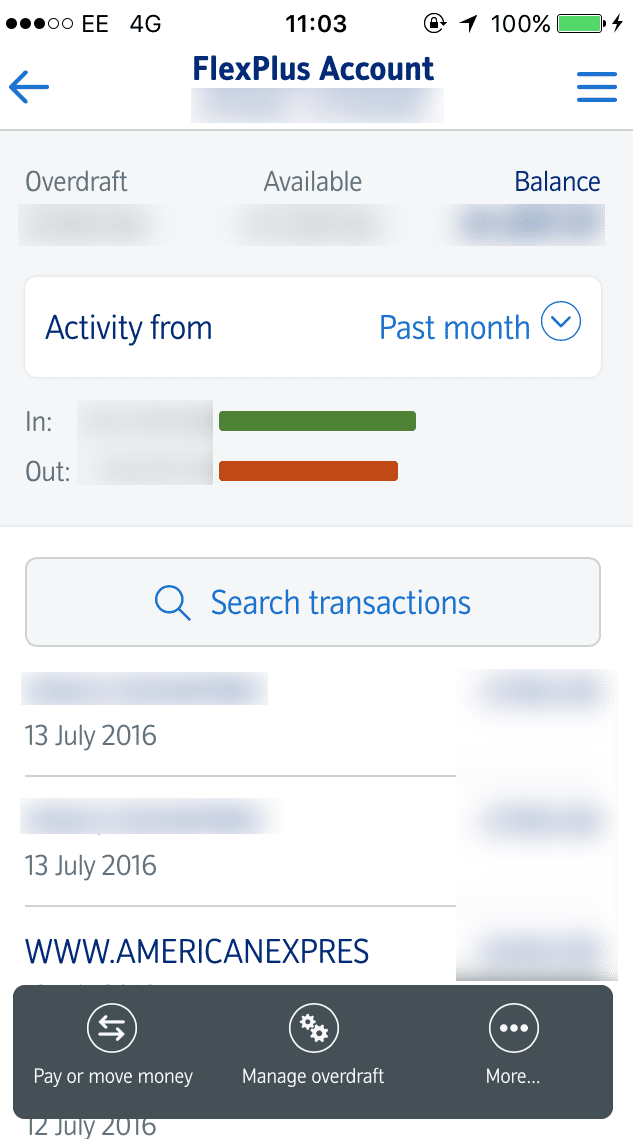
Nationwide's New App - A great example of how the little things add up.
Do you remember where you were when you first spotted that hot coral card in the queue at a coffee shop? For me, it was early 2016. A short while after they’d changed their name from ‘Mondo’ but still early enough to feel like I was an ‘early adopter’. This is taken from our Unfiltered newsletter. Subscribe now for a no BS, uncensored analysis of fintech news and hot topics delivered to your inbox each fortnight.

How will Brexit impact banks and FinTech in the UK?
11:FS CEO David M. Brear reached out to his followers on LinkedIn to ask for their thoughts on the following conundrum: what do you think the future operating model looks like for financial services and why?

The Rebundling of UK Financial Services
Death. It's inevitable. It's also a financial nightmare most don't see coming. But what if you could save tens, if not hundreds of thousands of dollars during this grim process?

Why PSD II could be the final straw to bad leadership and unblocks internal resistance to real banking innovation finally
Our CEO, David Brear, talks everything PSD 2 for HotTopics. Legislation is usually brought in to reduce stupidity amongst individuals, or groups exhibiting behaviors that may cause harm. PSD 2 is no different in terms of its purpose and overall need to exist. The European Commission has tried to foster innovation and filter banks toward more inclusive ways of working. PSD, miData and a number of other “carrots” meant to foster innovation have been used with limited success. Banks have treated all of these as purely compliance driven; tick box exercises, and tend to deliver the bare minimum to meet legislation. With regulators and governments now losing patience with banks, we now have the “go to your room” moment; PSD 2.

Bank Boards Need to Wake Up. - 11FS
It’s all very quiet. Almost too quiet for my liking. The UK banking system is under more stresses and strains than it has ever faced, but yet it is seemingly business as usual for many. The time is now upon us. Fundamentally, the decisions banks make in the next 24 months and the changes they implement in the next five years will define the industry’s winners and losers—period.

1087
1087. Insights: Can anyone fix homebuying?
Buying a home is one of the biggest financial decisions most people will ever make. Yet despite years of digital innovation, the experience remains fragmented, stressful and surprisingly analogue.

1081
1081. Insights: The future of Robinhood. A conversation with UK President Jordan Sinclair
Robinhood has just unveiled one of the biggest product launches in its history, centred around a bold vision for Borderless Markets. From tokenised stocks and ETFs to Robinhood Chain and AI-powered investing, the company is betting that the future of finance will be tokenised, intelligent and increasingly autonomous.
.jpg)
1077
1077. Insights: What does it take to build the bank of the future? With Engine by Starling
In this episode, we're exploring what it takes to build modern banking technology from the ground up. Host Ross Gallagher - Head of Consulting at 11:FS - joined by Sam Everington, CEO of Engine by Starling, and Jody Bhagat, President of North America at Engine by Starling.

1067
1067. Insights: Can regulation become fintech’s biggest enabler?
Is regulation really the thing slowing innovation down — or is the bigger challenge how firms respond to it?

1043
1043. Insights: Inside HSBC Innovation Banking UK’s future with CEO Emily Turner
In this episode of Fintech Insider, David M. Brear sits down with Emily Turner, the newly appointed CEO of HSBC Innovation Banking UK, for a conversation about leadership, innovation, and the future of fintech in the UK.
.jpg)
1037
1037. Insights: Shaping safe AI innovation - Live from the FCA’s Supercharged Sandbox Showcase
In this special live edition of Fintech Insider Insights, recorded at the FCA’s Supercharged Sandbox Showcase, David M. Brear is joined by leaders from the regulator, industry and the technology ecosystem to unpack the UK’s first AI-focused regulatory sandbox.
.jpg)






764
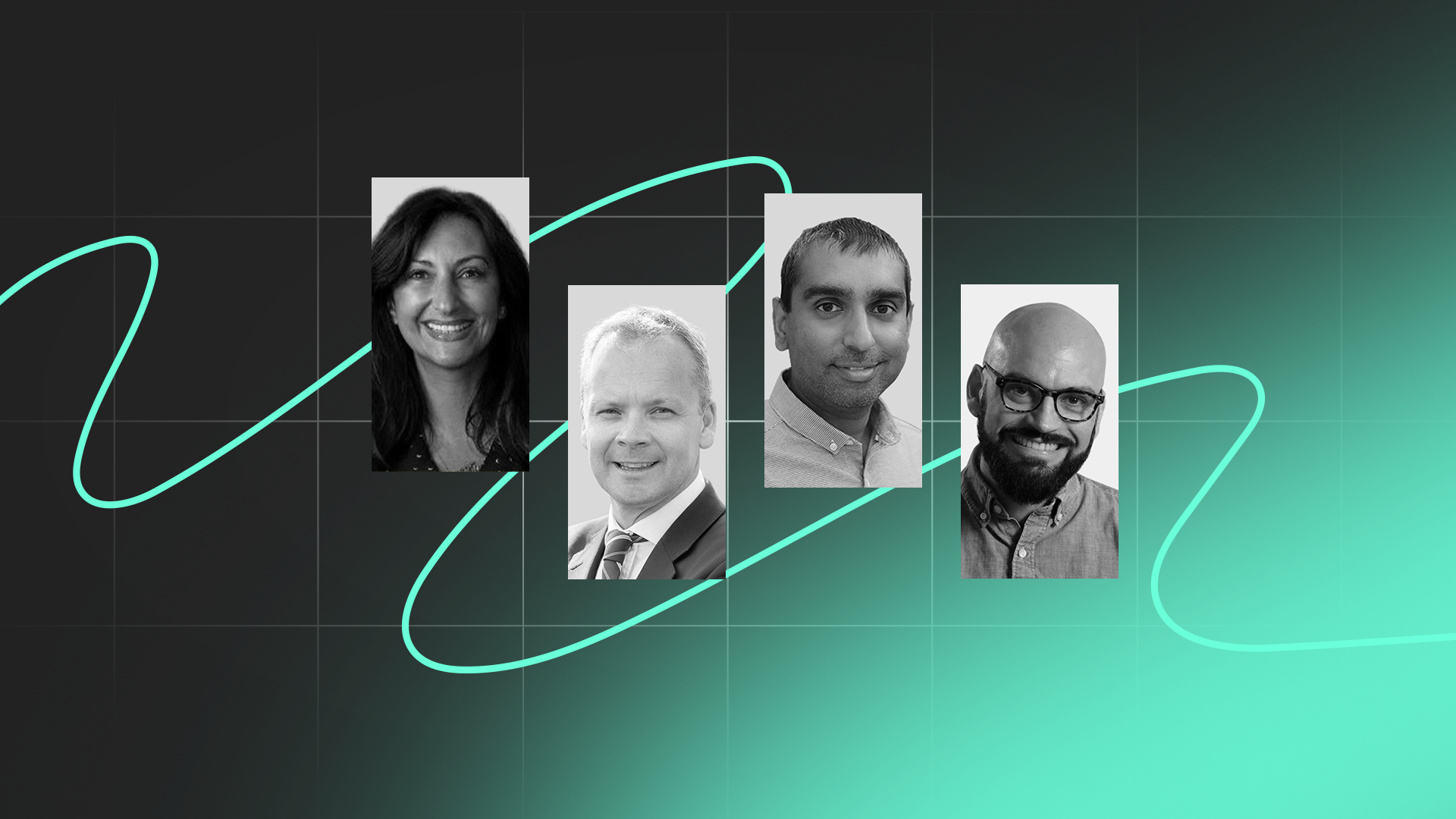
764. Insights: Can the UK avoid a mortgage market meltdown?
David M. Brear is joined by some great guests, from Digital Cat Consultancy, Mortgage Advice Bureau, and Sprive, to look at the current crisis facing the UK mortgage market and homeowners.

759
759. Insights: Will PSD3 really live up to the expectations? (Rewind)
David M. Brear is joined by some great guests, from Plaid, Payments Solved, and The Payments Association EU, to look at the potential impact of Payment Services Directive 3 on Open Banking.

What Griffin are going to do now they have their banking licence with CCO Adam Moulson | Spotlight
Inclusive design is a mindset and a process that suggests that you should bring as many people as possible - and the most diverse of voices that you can - into your product design product process, so that you're being truly inclusive. It's designing with people rather that just at them. Charlotte Fereday, Product Director, Ventures, explains what inclusive design is, why it's important, how you can design more inclusively, and answers - how possible is truly inclusive design?

960
Insights: The future of Revolut with UKCEO Francesca Carlesi
The UK banking battlefield has never been more competitive. Customers expectfinancial apps that are personalised, seamless, and that genuinely make a differenc...
960
Insights: The future of Revolut with UKCEO Francesca Carlesi
960
Insights: The future of Revolut with UKCEO Francesca Carlesi
The UK banking battlefield has never been more competitive. Customers expectfinancial apps that are personalised, seamless, and that genuinely make a differenc...
960
Insights: The future of Revolut with UKCEO Francesca Carlesi
960
Insights: The future of Revolut with UKCEO Francesca Carlesi