Content Hub
.svg)
.svg)
Global

11:FS announces its American expansion
Sam Maule joins 11:FS as Managing Partner, Americas

Are challenger banks just better legacy banks?
This week I had the super-smart Mariano Belinky tell me that the current crop of challenger banks are really just ‘better mousetraps’.

The SEC's verdict on The DAO tokens: explained
A few weeks ago, I outlined the problems with the financial products that supposedly address small and medium sized businesses’ (SMBs) needs, and how they are chronically underserved by incumbent financial institutions (FIs) across all sectors. Since then, we’ve explored how things are changing in the SMB insurance space and delved into the developments in the areas of bank account opening, payments and loans in our podcasts. I’ve also been busy trying to discover, articulate and demonstrate what “best in class” in this industry looks like in my latest research report.

The virtues of digital : creating a truly digital bank
At 11:FS we like to say that digital banking is 1% finished, well the same is true of Open Banking. The unknown potential of the regulation far outstrips what is being done right now. And that potential has caught the imagination of foreign regulators.

DIGITAL TRANSFORMATION: THE GREAT LIE – Part 3 - The future is a fast moving target
Dave Bruno, Co-Founder at YNOME and Head of WM Innovation at UBS, explains how digital can scale wealth management for everyone.
Laurent le Moal - CEO, PayU on 250 ways to accept payment
The last few weeks have shone the spotlight on leadership teams at banks and how they have responded to the unprecedented circumstances created by a global pandemic.
Stefan Thomas, on Ripple, Interledgers & XRP
Jason Bates interviewed Stephen Barclay, MP – the Economic Secretary to the Treasury, for Fintech Insider Interviews to gauge his views on the UK fintech scene, and the government’s role in facilitating the rise of fintech, how fintech can help the government, what the impact of Brexit will be and the Treasury’s message to the rest of the world.
Digital Transformation: The Great Lie – Part 2. How do you know if you’re on track?
A three-part series by 11:FS Non-Executive Director, Lisa Gansky Last week Lisa discussed how to become truly digital you must take a leap of faith, ask questions, make a mess and ultimately shake up business models completely. True transformation must fully pervade an organisation’s culture; it must be far more than just a project. Read part 2 in full here
Tezos co-founders Kathleen & Arthur Brietman, on Tezos and token sales
The first few weeks of 2017 bombarded us with articles predicting the future of FinTech and financial services. Chris Skinner, our Non-Executive Director at 11:FS, analysed them all and identified the top 11 trends that the leading banking and FinTech experts agree we should be following now.

Why it’s good to be an SME
If you are an SME, the chances are you have been seriously neglected by your bank. Your accounting software or Excel spreadsheets are probably your only go to points to understand the state of your business. Your invoice management is likely to be scatty at best, and cash flow optimization is probably not something available in a few clicks. Oh, and it probably took you a couple weeks to actually apply and get your bank account.
Digital Transformation: The Great Lie - Part 1. The 3 steps of Digital Transformation
A three-part series by 11:FS Non-Executive Director, Lisa Gansky Last week Lisa discussed how becoming truly digital requires a leap of faith, to boldly go where no one else has yet gone, even if it seems crazy at the time, and to ignore basic human instinct asking how? where? how long? how far? She outlined the three steps on the journey: The Digital Makeover – ask never ending questions if you want to evolve The Joy of Decoupling – refashioning process and perspective Is That Even Legal? – Innovation that completely redefines norms Read part 1 in full here
Jonathan Larsen - CIO at Ping An - on their $1bn global fintech fund
65 million years ago, gigantic monster roamed the same places where today Starbucks and Costa Coffees are. Having dragged themselves out of the primordial goo and evolved themselves to the top of the food chain, the Dinosaurs were oversized in their appetites, attitudes and on top of the world. What can the monsters of today learn from the monsters of the past to avoid the extinction events that wiped out the dinosaurs? Let us explore, with Jurassic Park puns and quotes aplenty… hold on to your butts.

How will Financial Services operating systems and structures look in the future?
In the first of a new series we’re talking to our brilliant 11s to get to know them a little bit more. From the consultants building new digital propositions and the research team using cultural insights to inform them, through to the engineers bringing those services to market, the operations team that keeps the lights on, and everyone else in between.

Banks + FinTechs = Powerful new customer journeys
The talk of disruption of banking by fintech companies has quelled a little recently as realisation sets in as to just how difficult that actually is. The talk now is of partnerships between the two that mutually benefit both parties. We have not really seen many partnerships in the true sense between fintech and the old banks yet, they are still using fintechs in traditional vendor relationships.
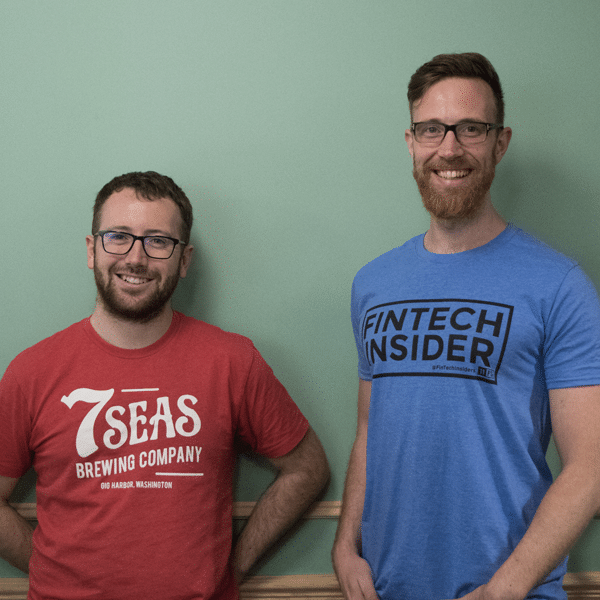
Introducing Blockchain Insider!
As you may have noticed I’ve been doing a lot of teasing around this for the last few months. Well today...right now...is the grand reveal as we celebrate the public launch of our 11:FS values.
204
204. Fintech in a Flat 2
We're bringing you something a little bit different this week. In the run up to After Dark San Francisco, Sam and our media team hosted Dan Macklin, Co-Founder of SoFi and Board Member of Chipper, Yuliya Tarasava, Co-Founder and COO of CNote, Divine, CEO and Founder of Blakfintech, and John Waupsh, CIO at Kasasa. Join us in a flat in the Inner Sunset neighbourhood, for dinner drinks and all things fintech.
203
203. Fintech Insider After Dark V - Part 1 London - Partying & PayPal
We’re live from the 11:FS offices in Aldgate Tower to bring you After Dark V live! Simon, Ross, and new host Sarah are joined by Megan Caywood, Liz Lumley, and Richard Davies. The panel talk about the latest weird and wonderful news from the world of fintech.
202
202 Interview: Ross Dalzell
Simon sits down with Ross Dalzell, Head of Business Banking Product and Propositions at Barclays Bank to discuss the future of fintech, the SME market, and how open banking is set to transform the financial landscape.
41
41. Twitter Blocks Bitcoin, Monero Splits Opinion & is Ripple a Security
Simon and Colin pick out the latest in blockchain news. Looking at what’s happening to Bitcoin’s twitter turkey, is Ripple a security, and Soros surging into cryptocurrency. We also have an interview with Tim Swanson, George Wolfson, and John Collins when Colin met them at the Deconomy conference.

201
201 Insights Live: Breaking into Fintech
We’re live at Cass Business School Finance Conference with a panel of movers and shakers in the fintech world. Our host Ross Gallagher is joined by a panel well versed in how to break into and excel in the fintech space. What skills you need, when you need to apply them and what the next generation of fintech talent needs to know.
200
200. 11:FS Turns TWO! Company culture, consultancy, and cupcakes
It’s our Second Birthday and we’ve hit 200 episodes! To celebrate this brilliant occasion and totally planned event we’ve got something a little bit different for you. Bringing you the very best in 11:FS talent we have a panel made up of the least camera shy of our staff members. Hosts Simon, Jason, and David are joined by an allstar group of 11:FS staff including: Ross Methven, Co-founder and Research Lead Ross Gallagher - Principal Consultant Jeff Tijssen, Head of Consultancy Ollie Judge, Head of Media Laura Watkins, Head of Content Creation Sophie Theen, HR & Talent Sadly Sam Maule couldn’t make it to London for the show but we have an interview with him to outline the challenges of consulting and making a startup work in the USA.
199
199. Insights: HL Techover
This episode is a very special Takeover from Hargreaves Lansdown’s brand new tech office in Warsaw! Ross and Pete are head up this "techover" joined by some of the company’s top people: Chris Hill, CEO; David Davies, CIO; Chris Worle, Director of Digital Marketing and Michael Glowinski, HL Tech General Manager. You can find us on Twitter @FintechInsiders or @11FSTeam or find us on Facebook, YouTube and Instagram or drop us a line podcasts@11fs.com
40
40. Dodgy Words from Binance, Vitalik Buterin Savages Faketoshi and Bluezelle's CEO Pavel Bains
Simon and Sara hash out the latest in blockchain news. Whether it’s dodgy words coming from binance or Buterin’s incredible take down of a supposed Satoshi, they’re examining what’s going on in the crypto space and what it means.

12
Insurtech Insider Episode 12: London Market Disruption
On today’s episode, Sarah and Nigel are joined by a cavalcade of insurtech insiders to give you the very best in insurtech roundtable discussion. Will Thorne, Innovation Leader at The Channel Syndicate, Oliver Ralph, Insurance Correspondent at The Financial Times, Bernadine Bröcker Wieder, Co-Founder & CEO, Vastari and Alex Hearn, Managing Director at Slipcase.
198
198. Insights: HMT's International Fintech Conference
We are recording at the International Fintech Conference in London! Simon interviews a bevy of fintech experts for their insights into the next year: - David Duffy, CEO, CYBG and recently named Fintech Envoy to England. - Eileen Burbidge, HM Treasury’s Special Envoy for FinTech and Partner at Passion Capital - Al Lukies CBE, Motive Partners; PM’s FinTech Envoy - Nikhil Rahti CEO, London Stock Exchange Group - Adrienne Harris, Chief Business Development Officer and General Counsel of States Title, Inc. - Imran Gulamhuseinwala, Global Head of FinTech, EY - John Glen MP and Economic Secretary to the Treasury
197
197. News: Clickbait
In this episode Laura Watkins and David Brear take a look at the last week’s top stories, alongside Jeff Tijssen, Monzo’s Leah Templeman and Bud’s Ed Masleveckas.
196
196. Insights: Wealth Tech 2018
Recording live at Blackrock’s WealthTech 2018 at Code Node, London we bring you an interview with Blackrock's Stephen Cohen on why wealth finance and tech are going to come together in the near future. We also have a roundtable with practical insight into buzzwords, acronyms, gamechangers, emerging tech and the death of spreadsheets. And to cap things off we have another interview this time with Eileen Burbidge, Partner at Passional Capital, on the major trends of the moment and where wealth sits within that. Hosted as ever by the inimitable Simon Taylor.
39
39. Coinbase Goes ERC-20, Bitcoin’s Lightning Lift Off and Coinfloor’s Obi Nwosu
On today’s episode Sara Feenan takes point as host while Colin Platt beams in from a faraway French field. Joined by Anthony Macey, the trio discuss Blockchain’s once in a generation opportunity status, Securities, G20 and more! We also bring you an interview with the brilliant Obi Nwosu of Coinfloor.
195
195. Interviews, IFGS 2018: Alipay, Onfido, InvestHK and More
This show’s slightly different from normal. We recently attended the Innovate Finance Global Summit and had the pleasure of interviewing a veritable host of fintech movers and shakers which we have condensed into one easy listening podcast. It’s your fintech multivitamin for the day.
194
194. News: Peter the Leopard
Helene Panzarino, Monty Munford, and Ryan Garner, join hosts Ross and Simon to discuss this week's top fintech and banking stories!
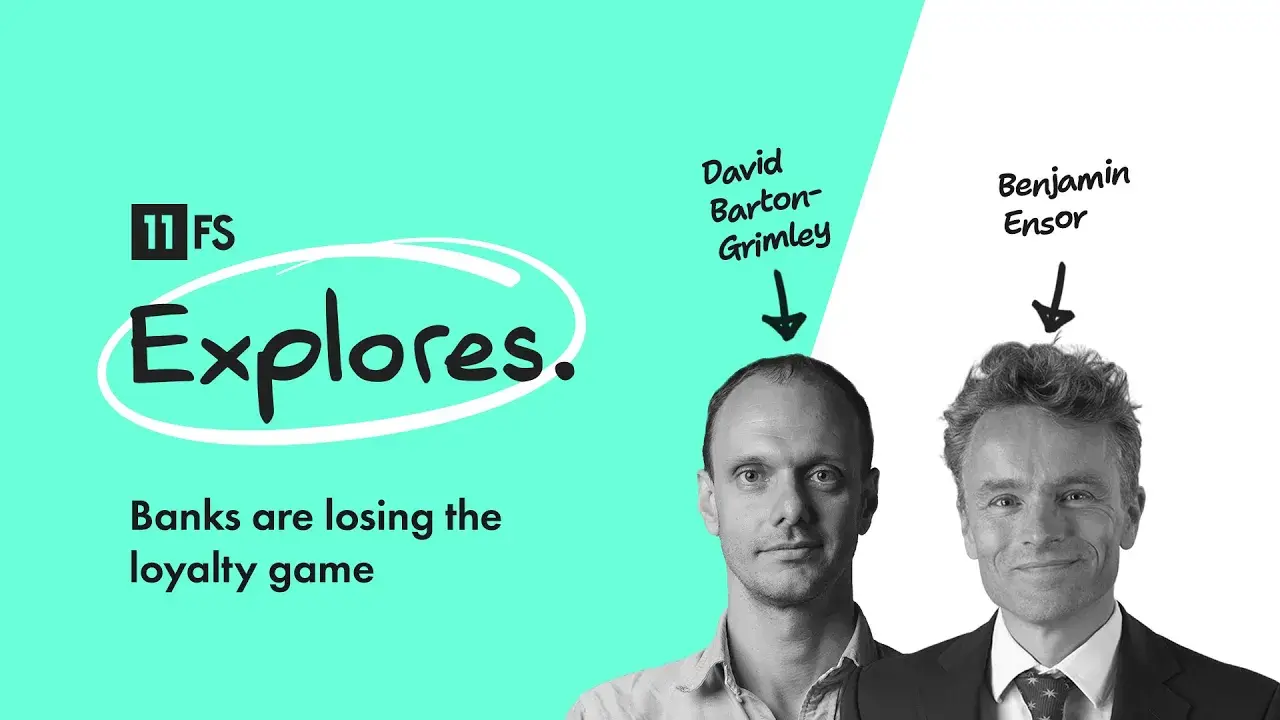
Banks are losing the loyalty game | 11:FS Explores
Hey, banks! This might sting a bit. You’re getting loyalty all wrong - and it’s costing you customers. But all is not lost!
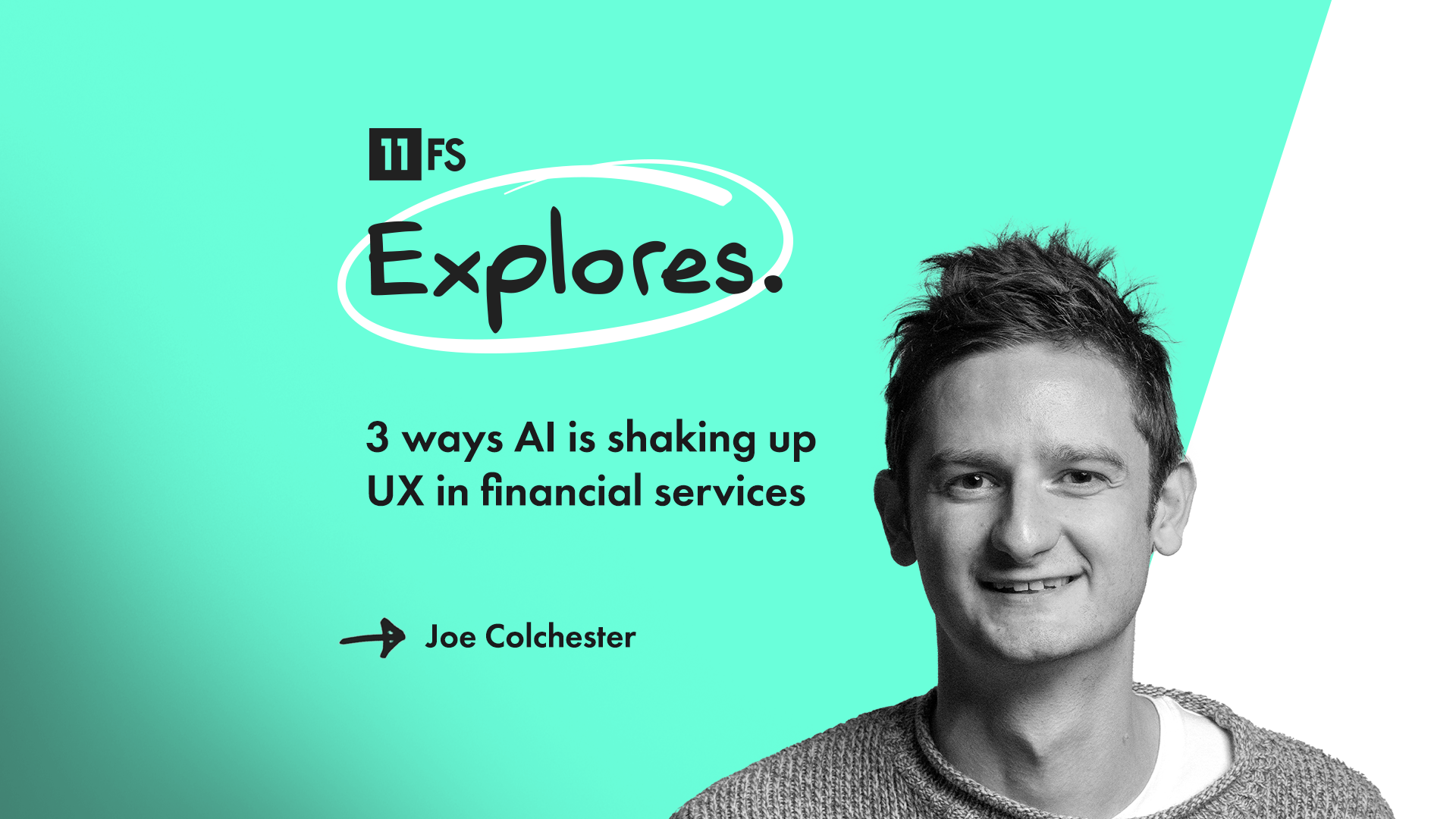
3 ways AI is shaking up UX in financial services | 11:FS Explores
The entire world is buzzing about AI, and that ain't changing anytime soon. But as AI becomes more integrated into our daily lives, what impact will it have on financial services and how people interact with them?
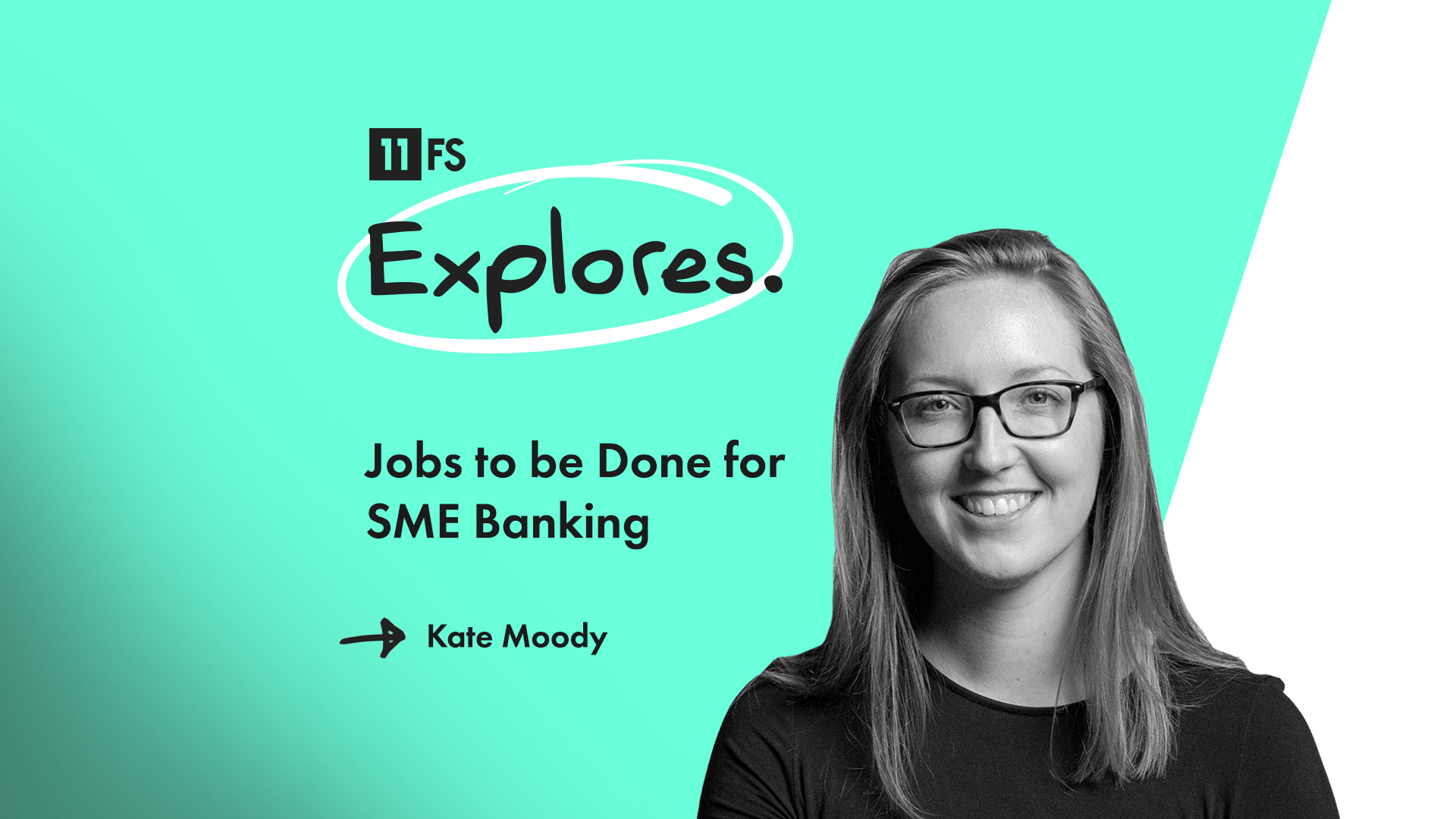
Using Jobs to be Done to revolutionise SME Banking | 11:FS Explores
It's not just a buzzword.
What are fintechs? - Decoding: Banks
Ever wanted to know what’s going on behind the scenes every time we make a payment?

How does banking regulation work? - Decoding: Banks
Regulation is essential. It stops banks from going bust or behaving badly.
How has software evolution influenced banking? - Decoding: Banks
The invention of the computer revolutionised banking in the 1950s.

How does lending work? - Decoding: Banks
Lending has been around for thousands of years and is one of the cornerstones of banking.
How can traditional banks win on the banking battlefield? - Decoding: Banks
They're down, but they're not certainly not out.
How do card networks operate? - Decoding: Banks
Mastercard and Visa are the two biggest credit card networks in the world.
How has the banking battlefield evolved? - Decoding: Banks
We kick off our Decoding: Banks series with a look at the banking landscape today and how we got here.
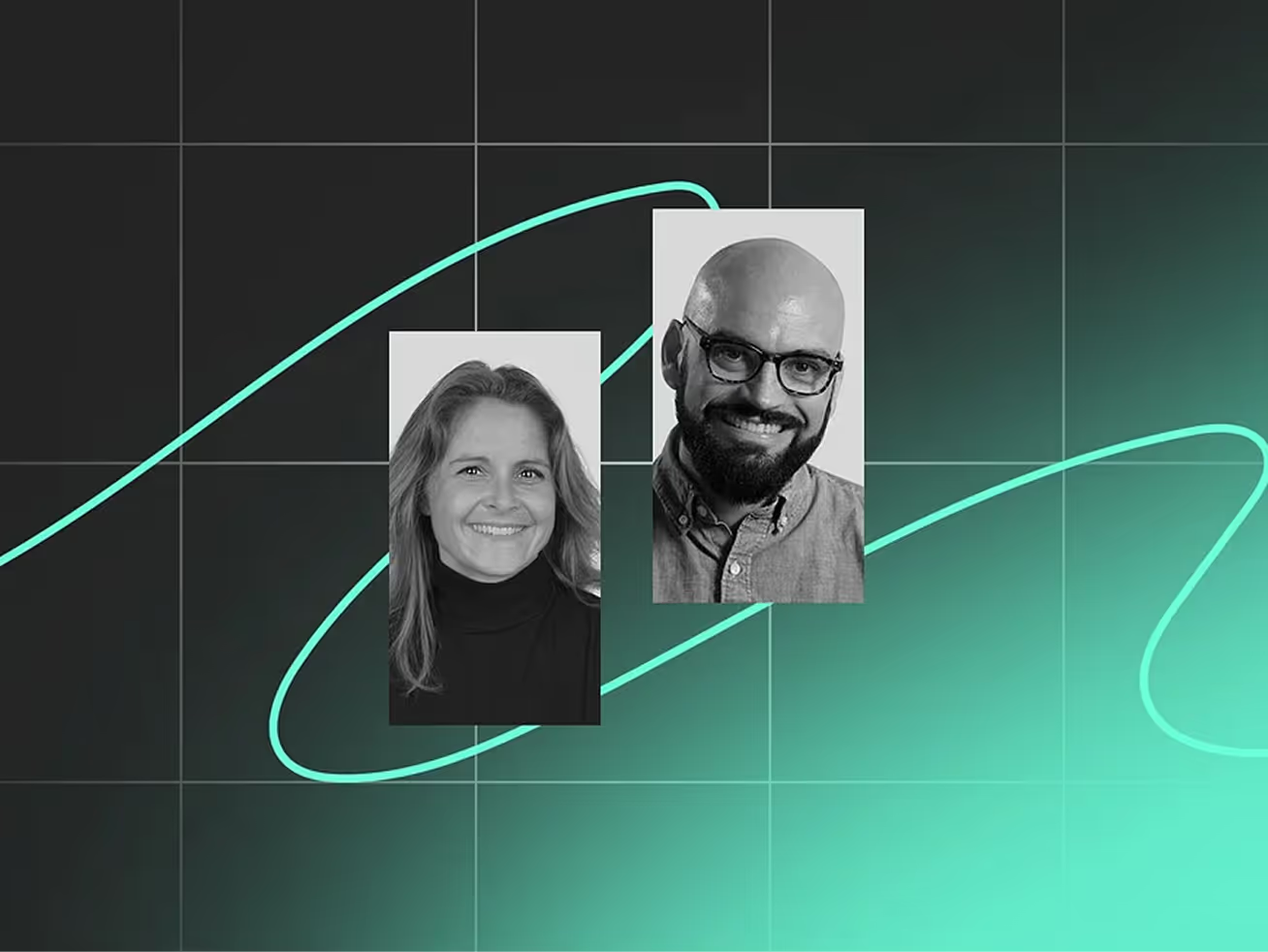
960
Insights: The future of Revolut with UKCEO Francesca Carlesi
The UK banking battlefield has never been more competitive. Customers expectfinancial apps that are personalised, seamless, and that genuinely make a differenc...
960
Insights: The future of Revolut with UKCEO Francesca Carlesi
960
Insights: The future of Revolut with UKCEO Francesca Carlesi
The UK banking battlefield has never been more competitive. Customers expectfinancial apps that are personalised, seamless, and that genuinely make a differenc...
960
Insights: The future of Revolut with UKCEO Francesca Carlesi
960
Insights: The future of Revolut with UKCEO Francesca Carlesi