Content Hub
.svg)
.svg)
Learn about the latest FS trends and news, from industry experts.
Who can BaaS provide the most value to right now?
Guest author Roy Ng, CEO and Co-Founder of Bond, shares his thoughts on how Banking as a Service (BaaS) has the potential to benefit pretty much everyone, but a few select groups in particular.
8 takeaways from our latest Banking as a Service episode
The fourth episode of our brand-new video series, Decoding: Banking as a Service, is here! If you missed it (or any of the others) catch up here. Here’s a rundown of this episode if you prefer reading to watching 📖

The next big BaaS battleground? Customer experience
Hopefully, by now you’ve had a chance to digest some, if not all, of our inclusive design series.
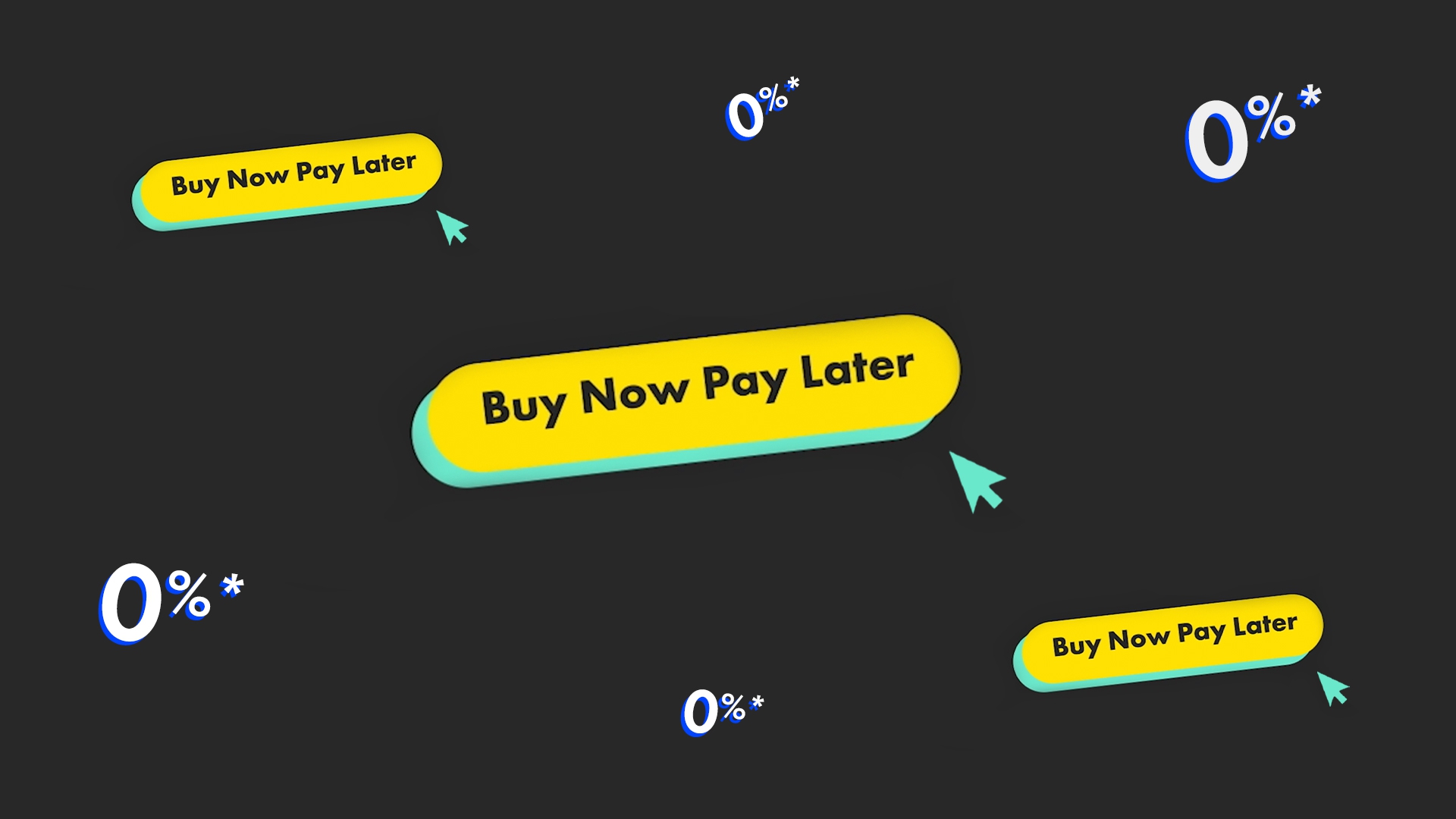
Buy Now Pay Later: Love it or hate it, you can’t ignore it
Buy Now Pay Later (BNPL) is one of the hottest trends in fintech. The concept of 0% finance has been around for decades, but it’s caught fire in the last 3 years with new market entrants like Affirm, Afterpay and Klarna transforming how this works for consumers in an e-commerce setting. This is taken from our Unfiltered newsletter. Subscribe now for a no BS, uncensored analysis of fintech news and hot topics delivered to your inbox each fortnight.

What is embedded finance?
While FinTech folk salivate – and the big banks bloviate – about PSD2 and the open banking reforms coming our way in 2018, we wondered whether those outside of this bubble will actually notice? What does PSD2 actually mean for customers?
The future of banking: all paths lead to lending
A Black-owned bank is defined as one in which at least 50% of voting shares are owned by African-Americans. They’re a dwindling force in the States today.

Crafting impactful design principles
Throughout history, humans have found direction from statements of intent that suggest 'better' ways of living.

Why is BaaS so hot right now?
The first episode of our brand-new video series, Decoding: Banking as a Service, is live! If you missed it, catch up here. Here’s a rundown of the episode if you prefer reading to watching 📖

In defence of virtue signalling
Nothing’s worse than not having any options, but having too many can be just as bad.

7 reasons Banking as a Service is a game changer
We now live in a world where almost anyone can build and launch innovative, regulated financial products as easily as they can create a Shopify page - that’s the magic of Banking as a Service (BaaS).

Goldman Sachs is leaning into embedded finance: other banks should take note
As 11:FS wraps up its 5th year in business, we can’t help but think about what the next 5 will look like. And our ambitions are big. It’s only just on the right side of scary.
Jobs to be Done: Helping US SMBs make smart and proactive decisions based on their finances
This is the second instalment of a 6 part series that explores the Jobs to be Done (JTBD) for US SMBs that we identified in our recent research. Each blog post explores one of the jobs and how we examined it with a JTBD canvas. If you missed the first post that explains JTBD and the canvas, check it out before reading this.

Is the future really cashless?
Richard Brown, CTO at R3, says that blockchain allows us to, for the first time, build systems and technologies that run between different organisations that don’t trust each other and bring them to consensus. This means potentially significant savings for financial services, especially in file reconciliation and manual activity. For blockchain to succeed in finance, multiple firms must work together, and Corda is helping to do just that.

11 US fintechs on our watchlist right now
There’s a reason counties often refer to their tech hubs as “the Silicon Valley of [insert country name here].” The Bay Area is the proud birthplace of some of the world’s biggest technological triumphs, home to global powerhouses like Apple and Visa. Every year the Valley also attracts a host of fintech start-ups - such as Credit Karma, Chime and Varo Bank, to name a few. But it’s not just California driving the future of financial services. We’ve done our research to see which companies across the 50 states are leading the fintech charge. (Did you miss our first blog? See who’s doing awesome things on the other side of the pond with our list of the hottest European fintechs.)
Jobs to be Done: Create a realistic but impactful marketing budget
I speak to a lot of customers about how money fits into their lives. I’ve never come across anyone who said “what I really need is a bank” or more specifically banking products like credit cards or savings accounts. Customers don’t want your products, they want to achieve their goals.People talk about helping their kids go to university or getting the best deal on their mobile phone. Of course, people require money and some kind of financial products to do these things. However, the cold reality for banks is that their commoditised products are not helping customers make progress towards these important jobs in their lives.At 11:FS we help build truly digital next generation digital propositions. Central to this is grounding intelligent digital propositions in customer Jobs To be Done (JTBD).




844
844. Insights: What's next for Monzo? An exclusive interview with CEO TS Anil
In this special Insights episode, 11:FS CEO David M. Brear sat down for an exclusive chat with the CEO of Monzo, TS Anil, in which they discuss TS' own career and the future of Monzo as it breaks out of the UK and plots expansion in the US and beyond.






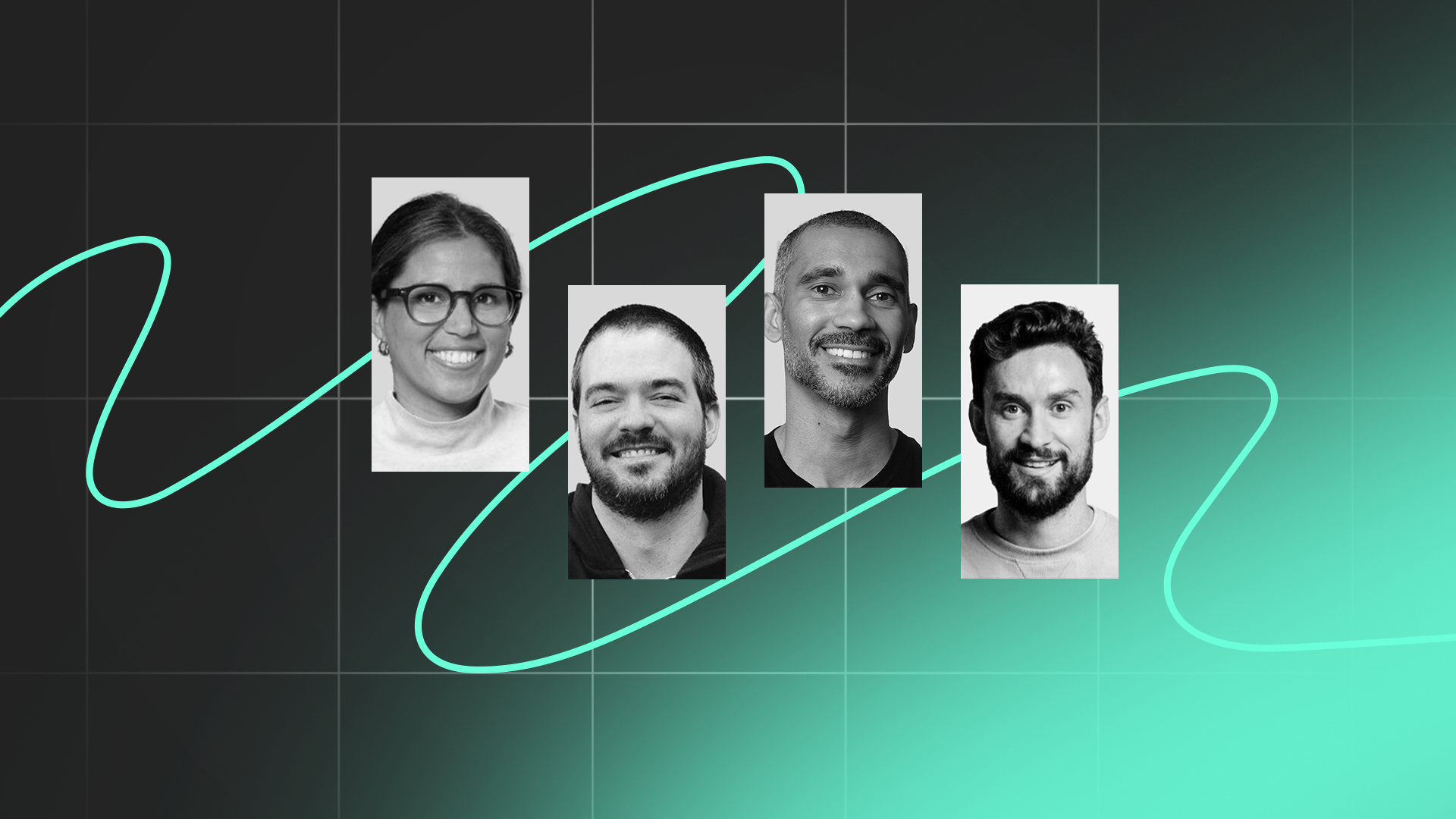
835
835. News: Griffin get fully licensed, Tide go to Germany and can open finance unlock £30bn?
Breaking down the most notable fintech, financial services, and banking news from the past week.


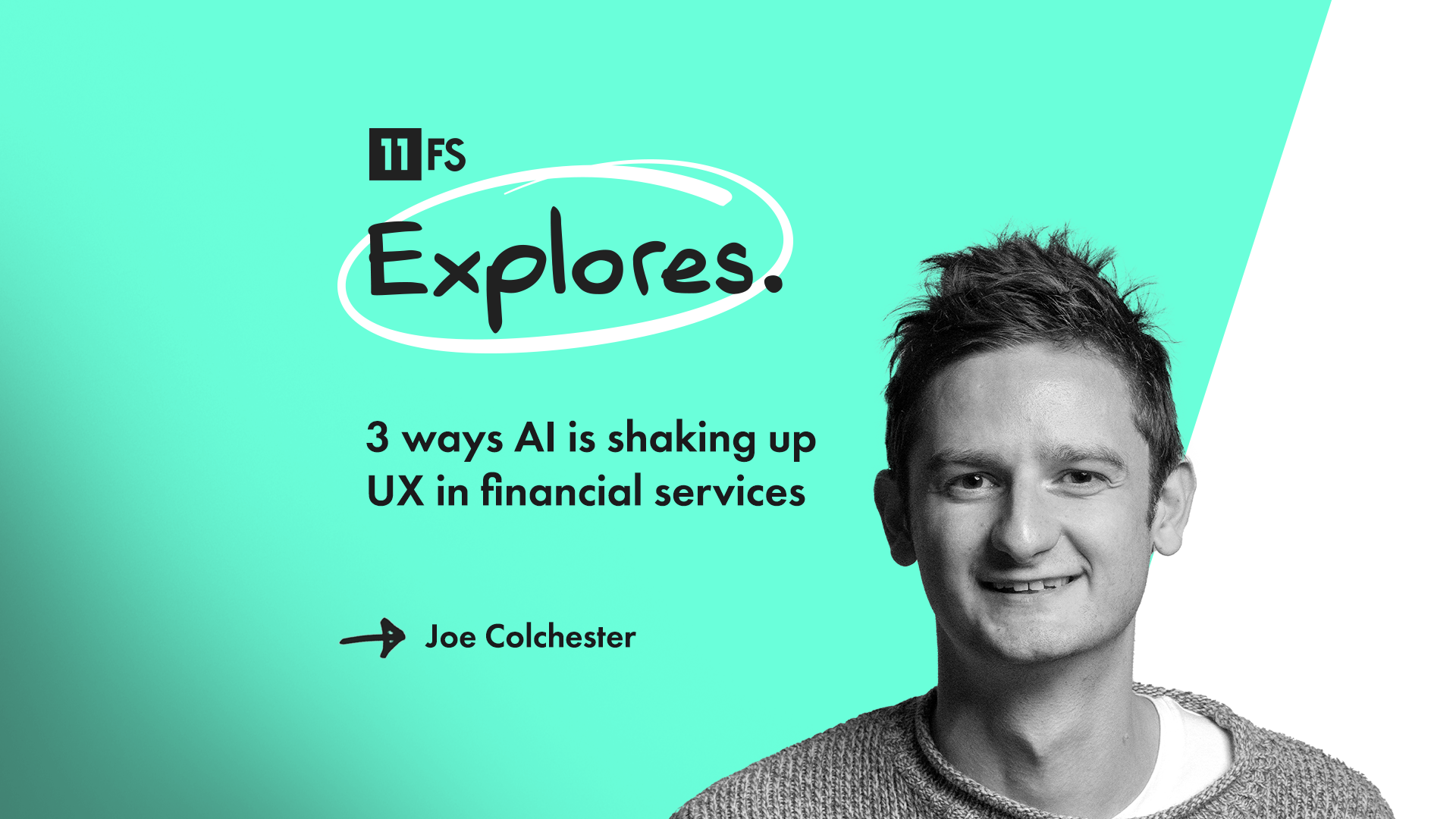
3 ways AI is shaking up UX in financial services | 11:FS Explores
The entire world is buzzing about AI, and that ain't changing anytime soon. But as AI becomes more integrated into our daily lives, what impact will it have on financial services and how people interact with them?
What are fintechs? - Decoding: Banks
Ever wanted to know what’s going on behind the scenes every time we make a payment?

How does banking regulation work? - Decoding: Banks
Regulation is essential. It stops banks from going bust or behaving badly.
How has software evolution influenced banking? - Decoding: Banks
The invention of the computer revolutionised banking in the 1950s.

How does lending work? - Decoding: Banks
Lending has been around for thousands of years and is one of the cornerstones of banking.
How can traditional banks win on the banking battlefield? - Decoding: Banks
They're down, but they're not certainly not out.
How do card networks operate? - Decoding: Banks
Mastercard and Visa are the two biggest credit card networks in the world.
How has the banking battlefield evolved? - Decoding: Banks
We kick off our Decoding: Banks series with a look at the banking landscape today and how we got here.

960
Insights: The future of Revolut with UKCEO Francesca Carlesi
The UK banking battlefield has never been more competitive. Customers expectfinancial apps that are personalised, seamless, and that genuinely make a differenc...
960
Insights: The future of Revolut with UKCEO Francesca Carlesi
960
Insights: The future of Revolut with UKCEO Francesca Carlesi
The UK banking battlefield has never been more competitive. Customers expectfinancial apps that are personalised, seamless, and that genuinely make a differenc...
960
Insights: The future of Revolut with UKCEO Francesca Carlesi
960
Insights: The future of Revolut with UKCEO Francesca Carlesi