Content Hub
.svg)
.svg)
Learn about the latest FS trends and news, from industry experts.

What’s going on in African insurtech?
Africa is the second biggest continent in the world with a population of 1.3 billion. It makes up 20% of the Earth’s total land surface. It comprises 54 countries and its people speak between 1500-2000 languages. Not each, obviously.

What we’ve learned from 4 years of building fintechs
Four years doesn’t sound like much but in the rapidly changing world of fintech it feels like forever. It’s hard to say for sure when the phenomenon started.

Inspiring business model innovation in banking
You can catch the full Fintech Insider take on the news today at 4pm on the podcast here. Following on from a great response last week we’re going to be doing another close look at the most interesting story of the week’s show. Again you can let us know in the comments below or at our community site, Fintech Insider News. Fintech Insider hosts Sarah and Ross sit down with Daniel Hegarty, CEO and Co-Founder of Habito, and Nina Mohanty, Business Development at Bud to discuss the news, including what might just be the next stage of online shopping.
Why we partnered with Google
So. We’ve partnered with Google. Hasn’t everyone? Well, for us this is more than a press release. Sure, 11:FS Foundry is already hosted on Google Cloud Platform (GCP). But let's look at why we wanted to partner more deeply.

In Australia, data is the new salt
I sat down with our new Chairman, and my long time mentor, Shaun Meadows to chat innovation, being different and why culture is vital for future success.
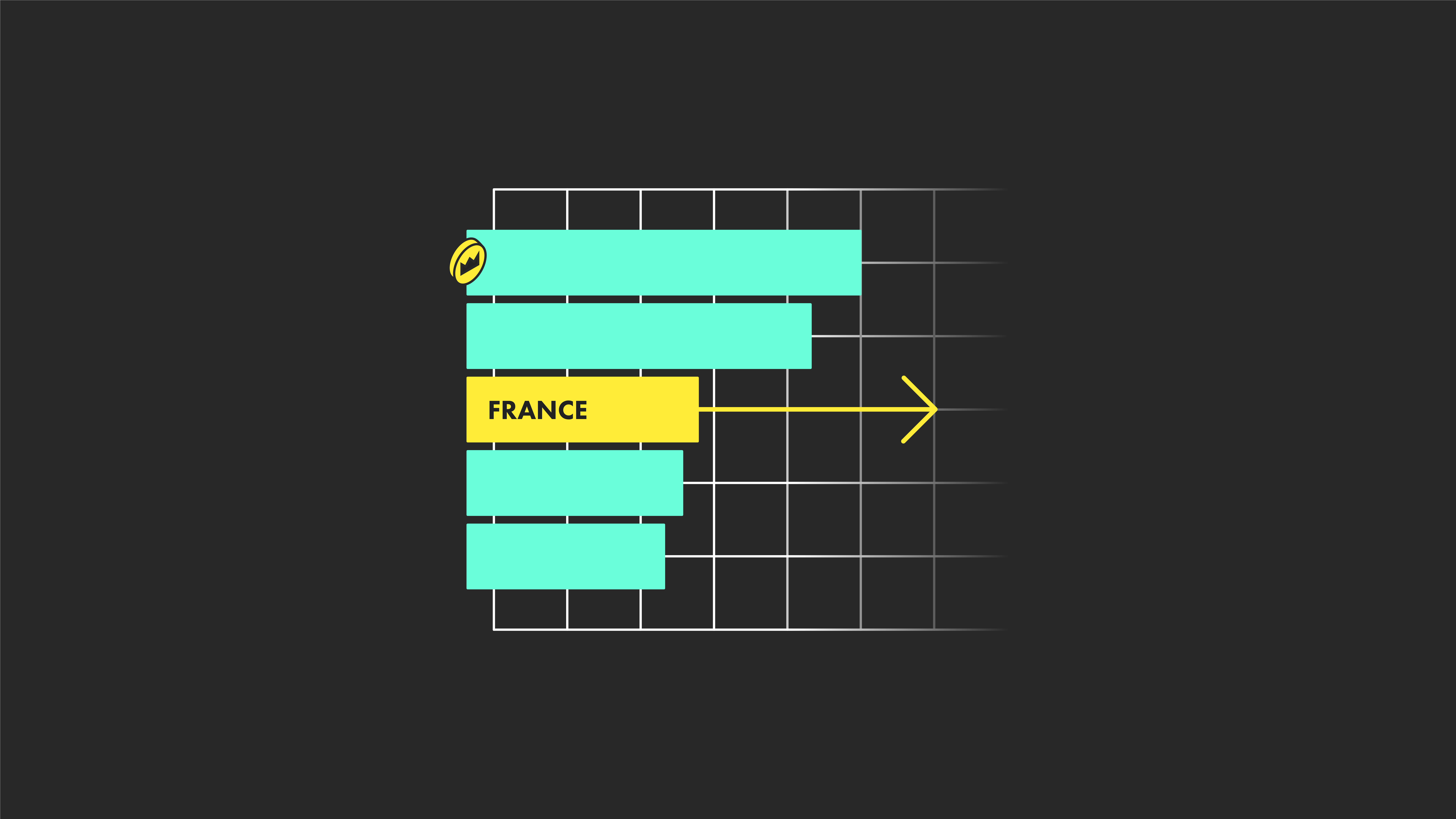
Is France the next European fintech hotspot?
ICYMI: Libra is here and a lot of people have a lot of questions, starting with: who owns the data?

What next for the BNPL phenomenon?
Buy Now Pay Later (BNPL) has been taking the world by storm.
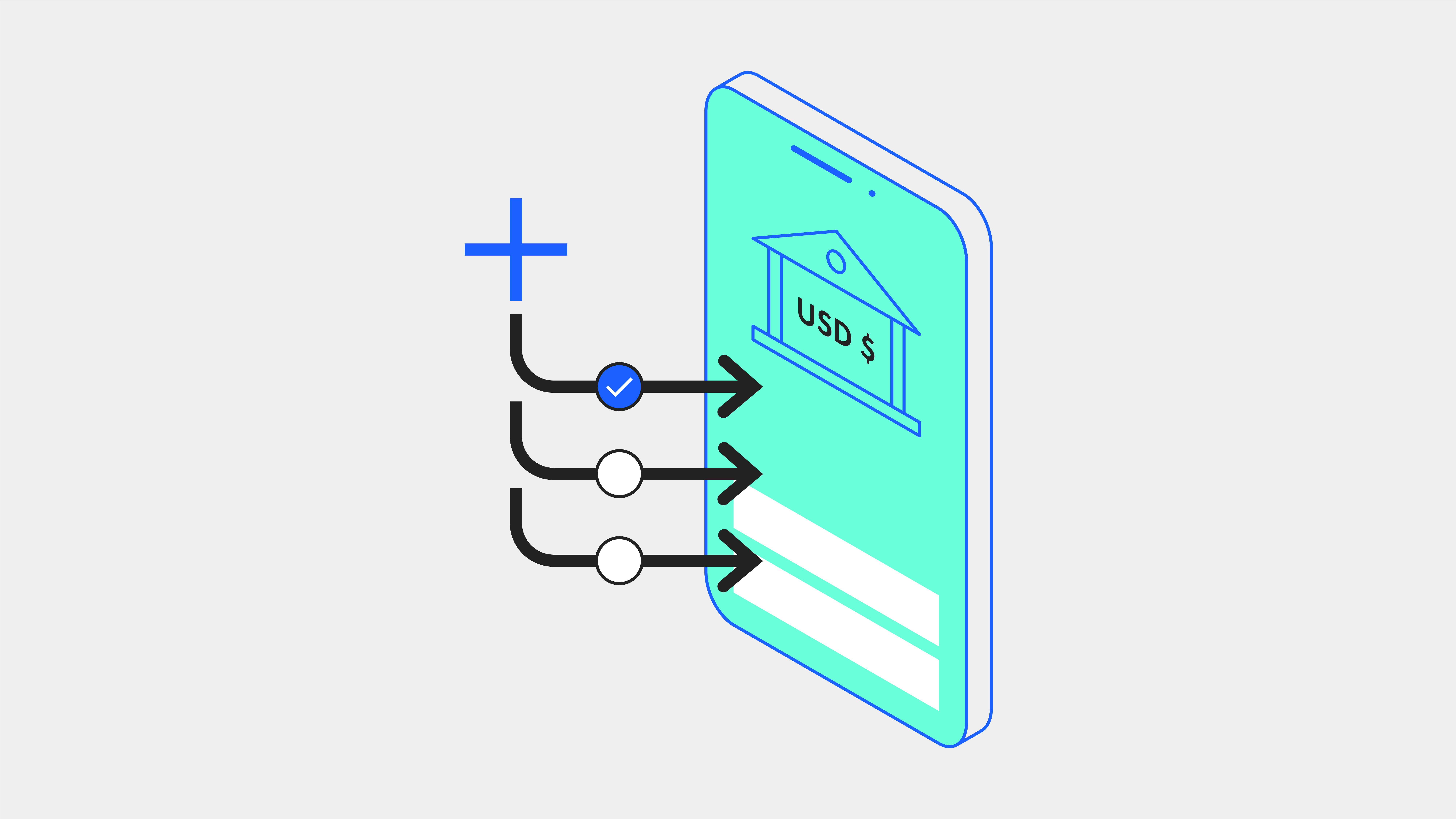
Onboarding journeys from 4 of our favourite US fintechs
It’s the final week of our One Fintech Nation series in association with Tech Nation. Here’s a quick review of our latest incredible podcast episode looking at how we can unite the nation in fintech and how everyone in the industry can work together. You can/should/need/have to listen to it now.

Why superstitions are important for financial services
We’re all aware of superstitions. Some of us a little more than others. Like digital finances, they don’t physically exist - but they’re far from a joke. Here are just a few of the reasons why FS companies should start brushing up on them. This article was written by Darja König - an Eleven intern who recently spent an action-packed six weeks in the Consulting and Research team. Alongside conducting customer research, identifying market opportunities and learning all about the business, she also wrote this awesome article. If you’re passionate about changing the fabric of financial services, check out our careers page.

Design drill down #5 | Spotlight on French fintech
In this design drill down, we’re exploring the different routes companies have taken to personify their artificial intelligence capabilities in an effort to build trust with customers and help them win with market demands.
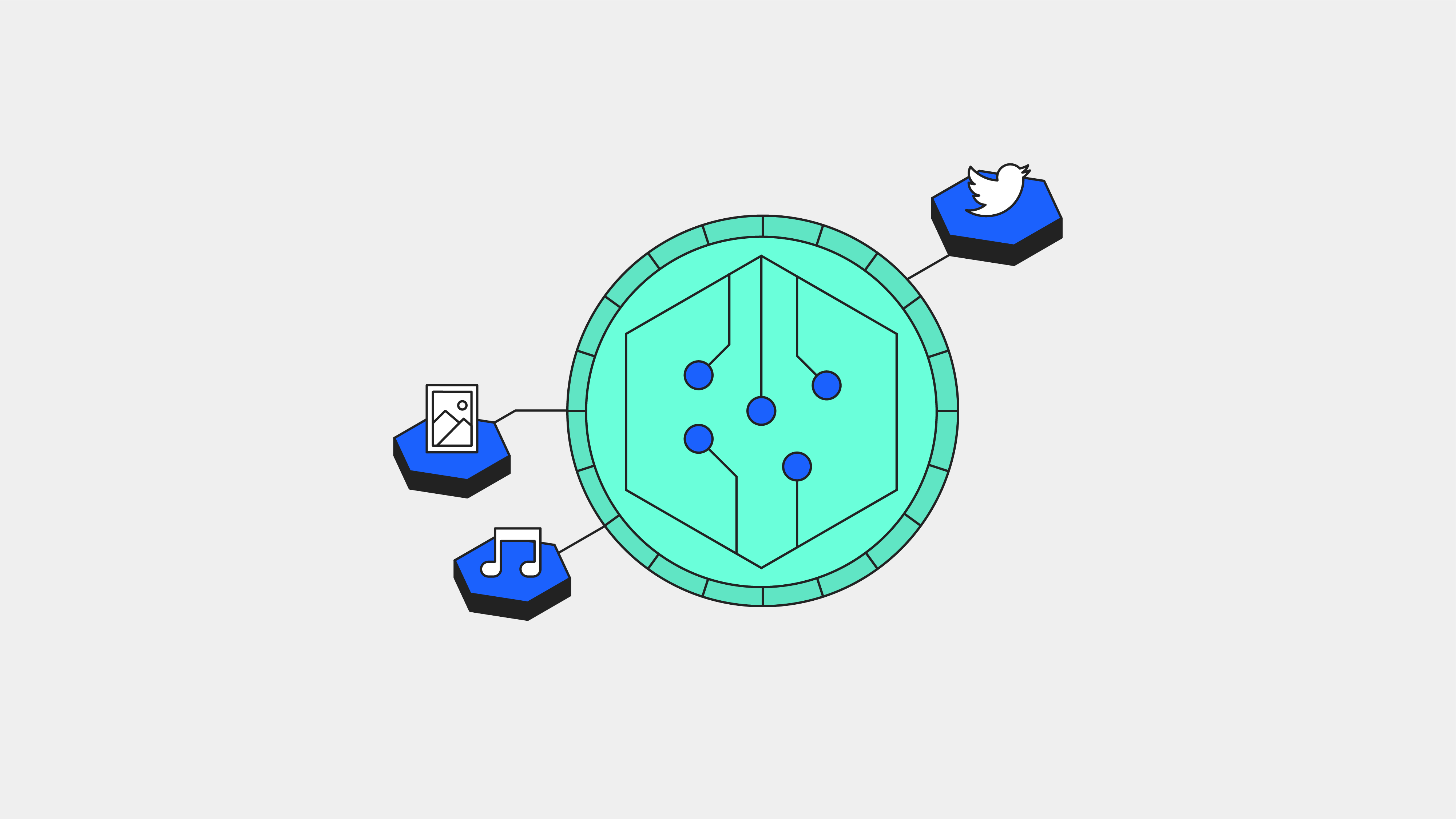
WTF is an NFT?
By now we’ve surely all heard of NFTs. Seemingly overnight they’ve grown from a niche internet phenomenon to a household buzzword with everyone from Gary Vaynerchuk, Tim Berners Lee, Banksy and even Lionel Messi having a piece of the pie.
Celebrating 100 episodes of Insurtech Insider
It feels more than a little bewildering to be reflecting on 100 episodes of Insurtech Insider. In that time, we’ve seen insurtech go from being a concept to an actual (big!) thing.

Crypto is changing our financial literacy (for the better)
Crypto is democratising finance and it’s a beautiful thing to see.

You’re building the first banking ecosystem on Mars. Where do you begin?
For this edition of After Dark, the live recording of our Fintech Insider podcast, we went for something a little bit different. Presenting After Dark: Starting from scratch, the short story... Check out the video here.

4 onboarding journeys from exciting Australian fintechs
Onboarding is an essential part of the user experience. Last year, over 50% of customers applying for digital retail banking threw in the towel before they’d finished.

1061
1061. Insights: The advice gap: Are banks helping customers or protecting themselves?
Advice is regulated and personalised. Guidance is broader and safer - but that line is starting to blur.
1060
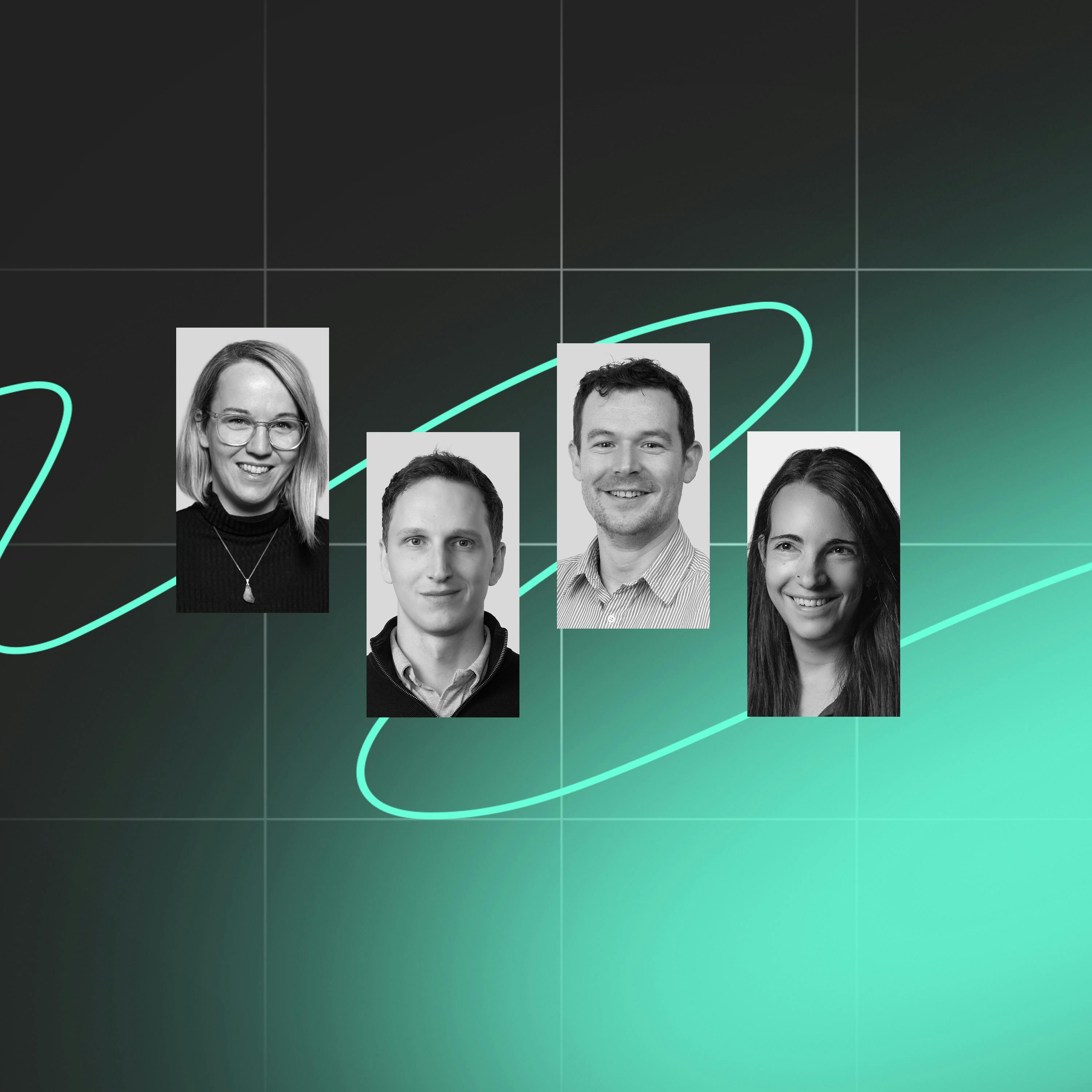
1060. News: NatWest, HSBC & Lloyds face new rules, Adyen drops €750m and Revolut steps into the real world
Host Laura Watkins - Director of Media and Marketing at 11:FS - is joined by some great guests to discuss the biggest stories from the world of financial services over the past week.

1059
1059. Insights: The payments boom connecting APAC and Latin America
In this episode of Fintech Insider Insights, in partnership with PPRO, Benjamin Ensor is joined by some great guests to explore why APAC merchants are expanding into LATAM, the $100bn cross-border opportunity, and why payments are critical to success.

1058
1058. News: Revolut’s $200bn ambition, TikTok’s creator card, and Lloyds digitises homebuying
Host Benjamin Ensor - Director of Research and Strategy at 11:FS - is joined by some great guests to discuss the biggest stories from the world of financial services over the past week.
.jpg)
1057
1057. Insights: From inertia to advocacy: Rethinking customer loyalty in fintech
What does customer loyalty really mean in financial services - and has it ever been real? In this episode of Fintech Insider Insights, Kate Moody is joined by Rosie Lee, Jas Shah, and Alex Johnson to unpack the shifting nature of loyalty in a world where switching is easier than ever.

1056
1056. News: AI is everywhere: FCA's open finance roadmap, Google’s Global AI, and the Lloyds' boardroom
Host Benjamin Ensor - Director of Research and Strategy at 11:FS - is joined by some great guests to discuss the biggest stories from the world of financial services over the past week.

1055
1055. Insights: What happens when embedded finance grows up? With Pleo and Mastercard
In this episode of Fintech Insider Insights, in partnership with Pleo, host Benjamin Ensor is joined by Jeppe Rindom (Co-Founder & CEO at Pleo) and Tulsi Narayan (EVP, Commercial and New Payment Flows, Europe at Mastercard) to explore the next phase of embedded finance — as it evolves from a handy feature into critical infrastructure.
1054
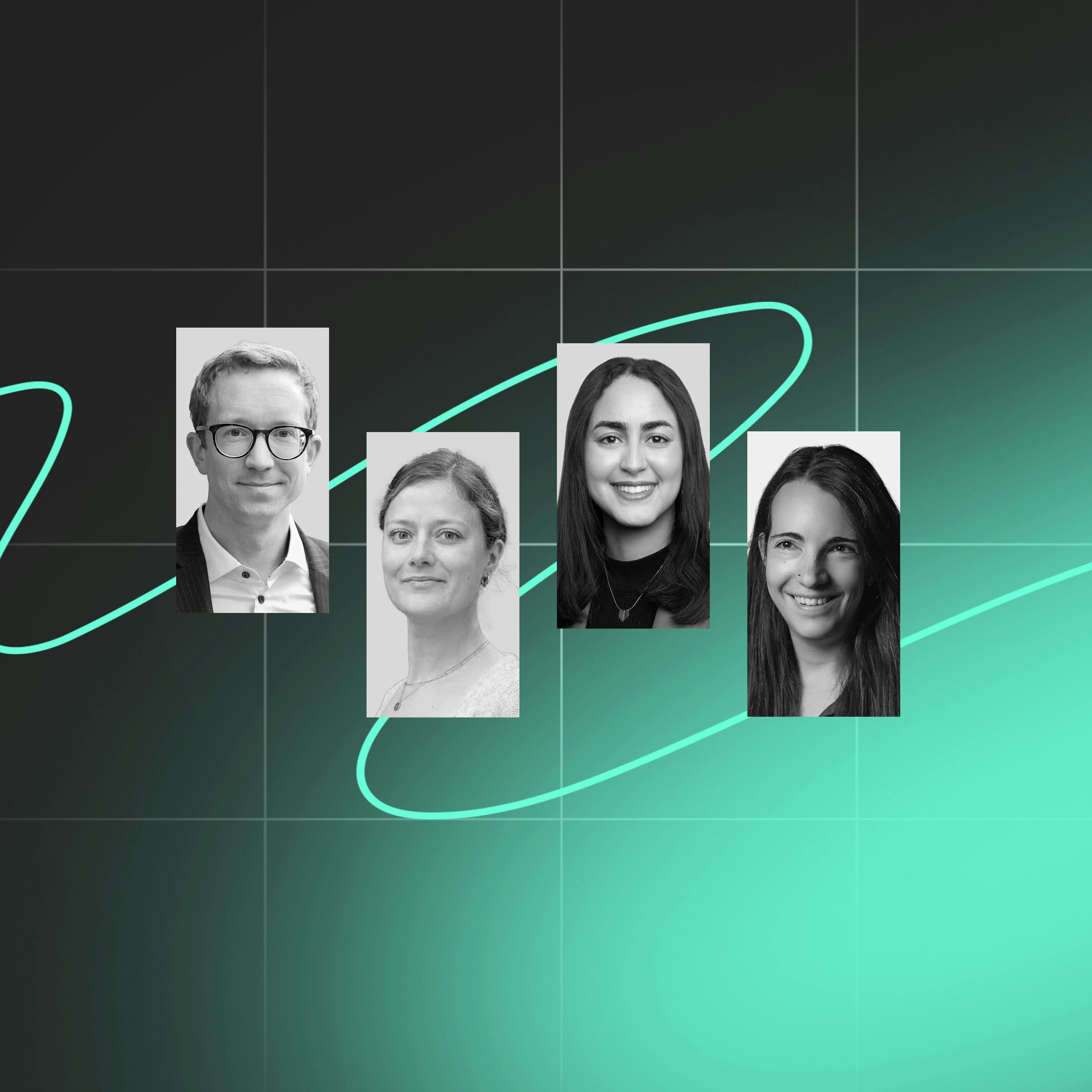
1054. News: Jamie Dimon raises the alarm, Barclays brings back branches, NatWest and Sainsbury's join forces
Host Laura Watkins - Director of Media and Marketing at 11:FS - is joined by some great guests to discuss the biggest stories from the world of financial services over the past week.
1053
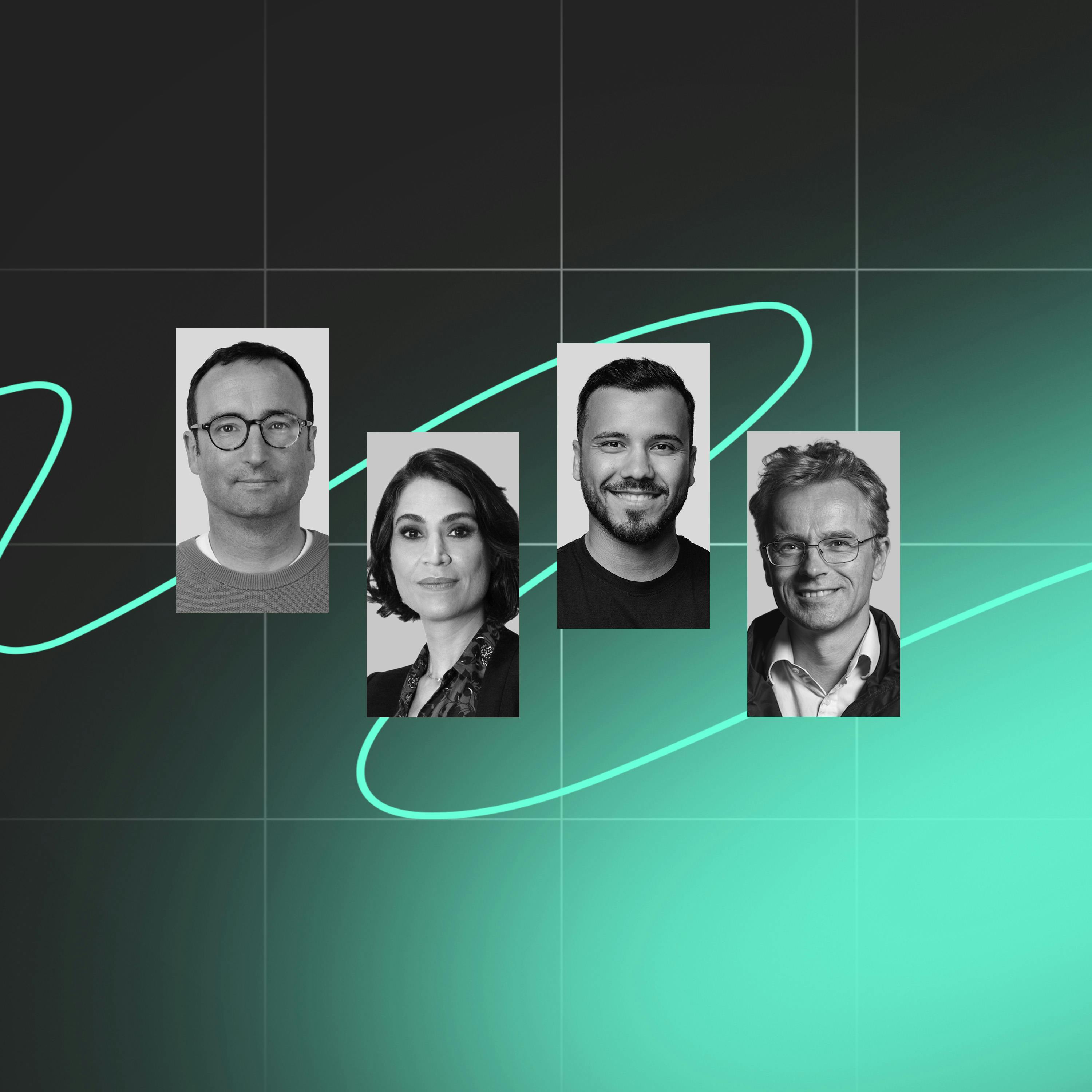
1053. Insights: Agentic payments: Revolution or just better orchestration?
Benjamin Ensor is joined by Rory O’Neill, Sahar Attaripour, and Sam Boboev to explore the rise of agentic payments - a fundamental shift from executing transactions to delegating intent.

1052
1052.News: AI agents are trading, Monzo is retreating, and Wise is coming for the banks
Host Ross Gallagher - Head of Consulting at 11:FS - is joined by some great guests to discuss the biggest stories from the world of financial services over the past week.
1050
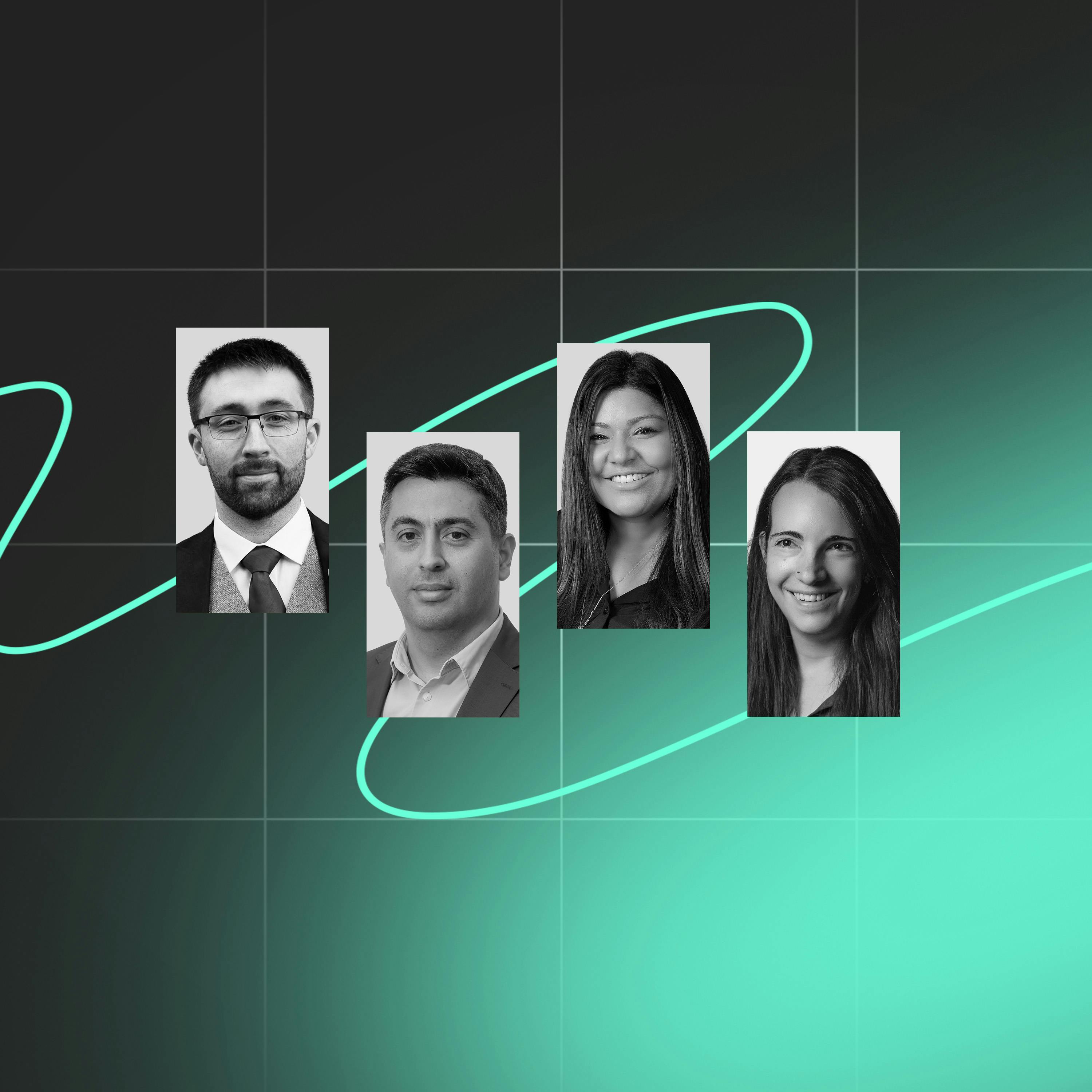
1050.News: Starling launches UK’s first agentic AI banking, Paymentology’s WhatsApp neobank and Turkey SEPA expansion
About this episode: Host Laura Watkins - Director of Media and Marketing at 11:FS is joined by some great guests to discuss the biggest stories from the world of financial services over the past week. This week's guests: David Sullivan -
1048
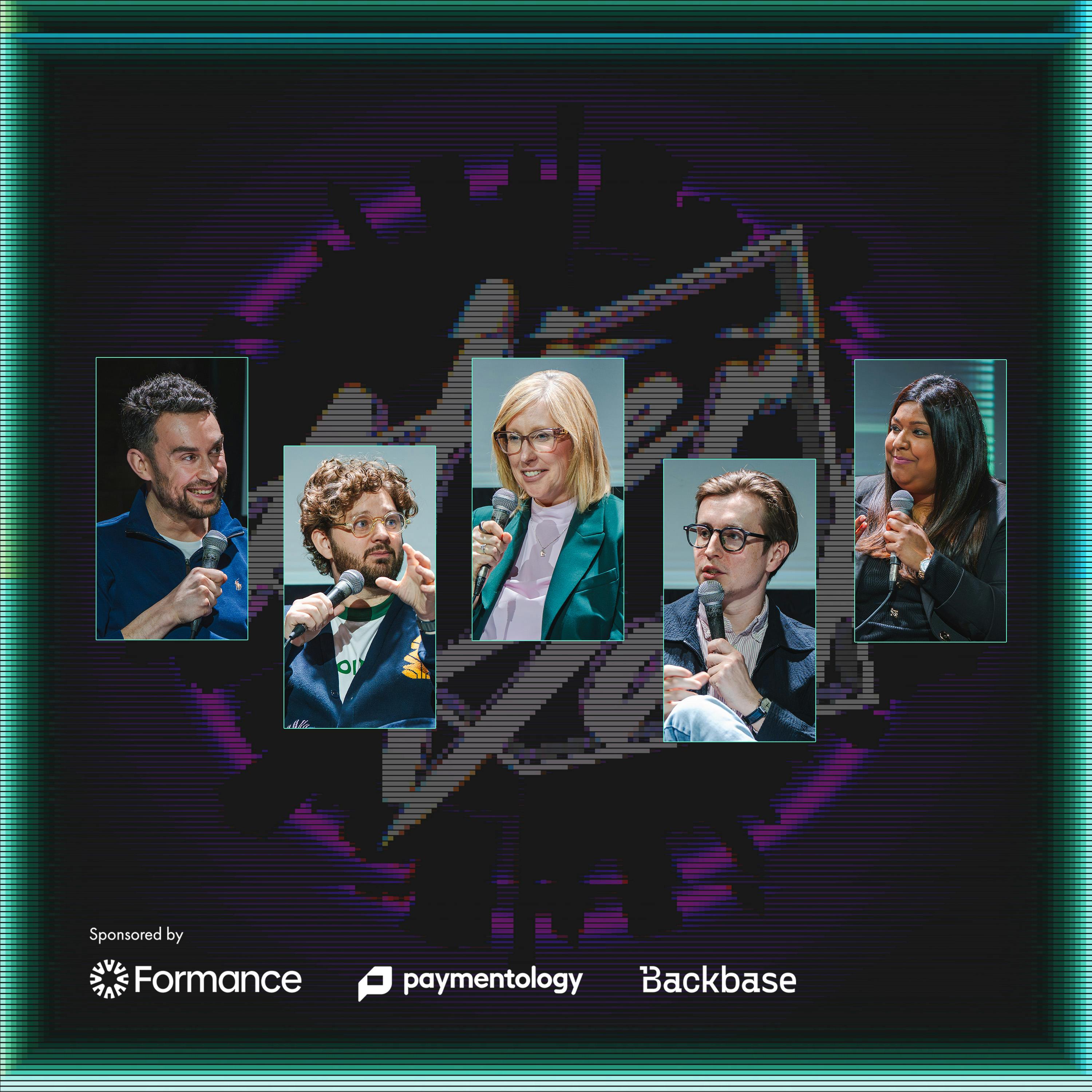
1048. News - After Dark: Robinhood's family plan, Irish banks team up to take on fintechs, and did Year in Monzo go too far?
Our expert host Ross Gallagher, and co-host Jamie Campbell, Co-CEO of 11:FS Holdings, present Fintech Insider News live from Village Underground in London, joined by some fantastic guests to discuss some of the interesting fintech and financial services stories of the week.
1047
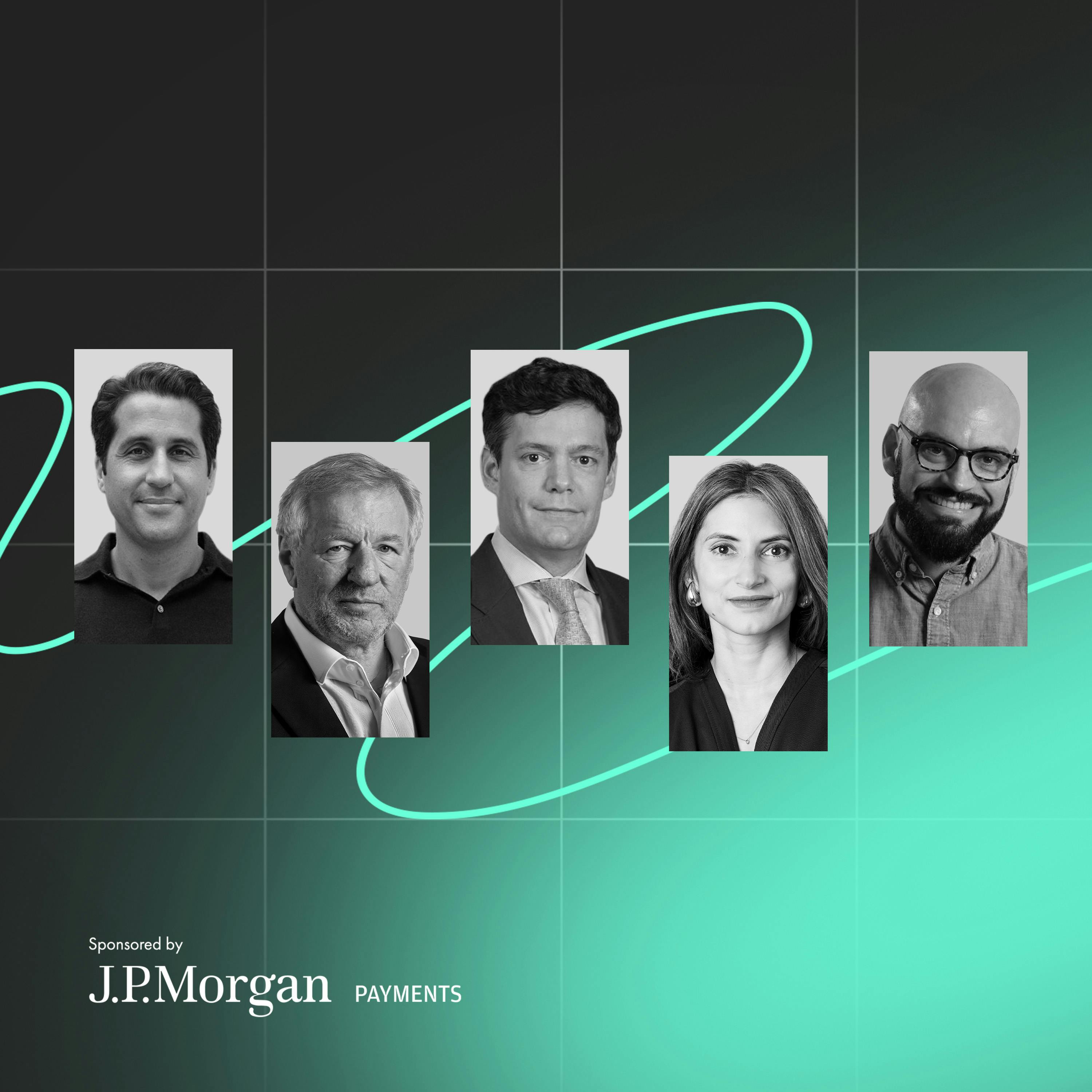
1047. Insights: Can you launch a start-up in 2026? Live from J.P. Morgan Payments
Recorded live from J.P. Morgan’s e-commerce and fintech forum, 11:FS CEO David M. Brear is joined by an all-star panel to tackle a deceptively simple question: can you still launch a startup in 2026?

1046
1046. News: Revolut is a bank, Lloyds wants to be a fintech - we're just as confused as you
Host Benjamin Ensor - Director of Research and Strategy at 11:FS is joined by some great guests to discuss the biggest stories from the world of financial services over the past week.
1045
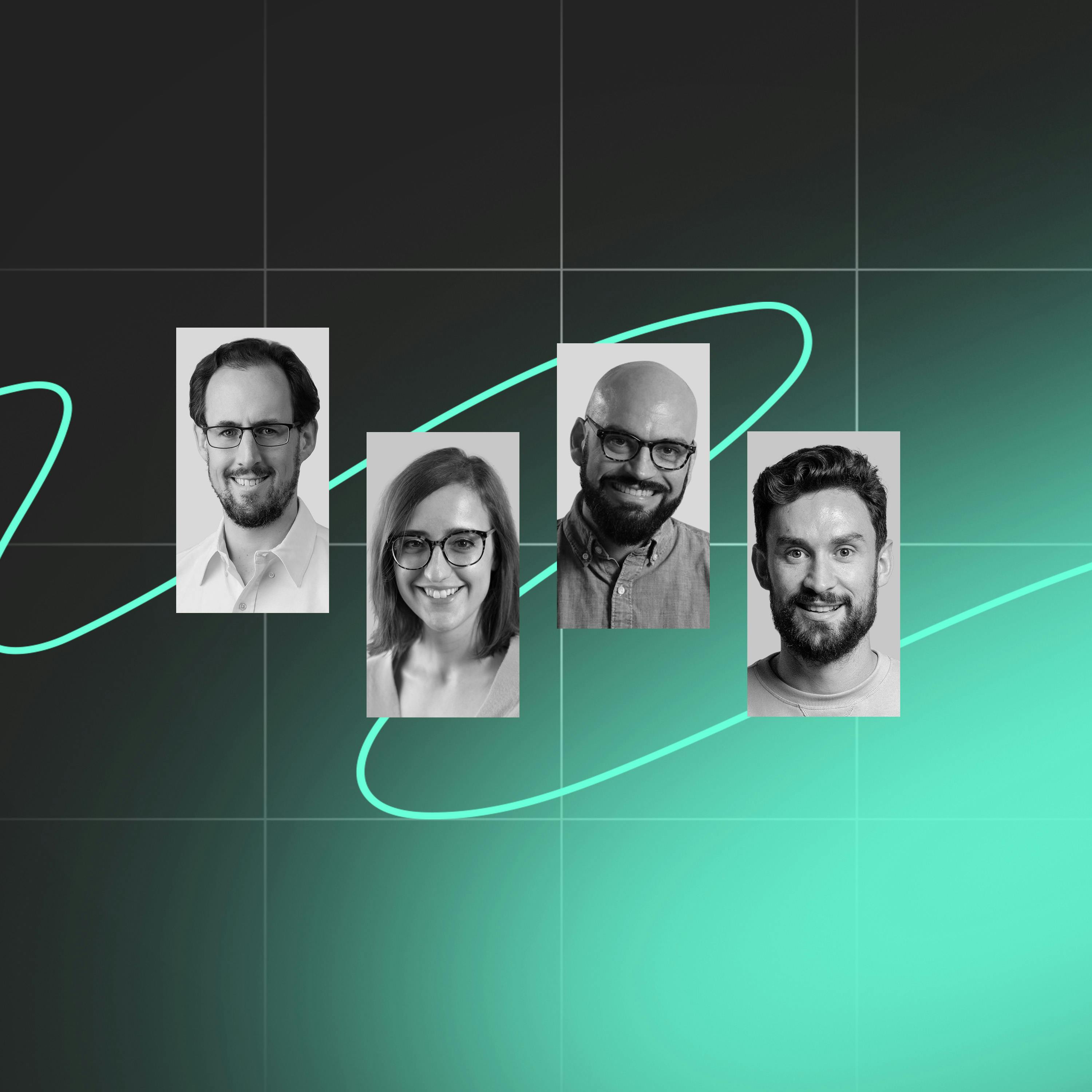
1045. Insights: Has the banking battlefield evolved - and is Revolut built for it?
For years, banking has been framed as a battlefield: incumbents defending their turf while fintech challengers attack with better tech and customer experience. But in 2026, that picture may have changed.
3 ways AI is shaking up UX in financial services | 11:FS Explores
The entire world is buzzing about AI, and that ain't changing anytime soon. But as AI becomes more integrated into our daily lives, what impact will it have on financial services and how people interact with them?





What are fintechs? - Decoding: Banks
Ever wanted to know what’s going on behind the scenes every time we make a payment?

How does banking regulation work? - Decoding: Banks
Regulation is essential. It stops banks from going bust or behaving badly.

How has software evolution influenced banking? - Decoding: Banks
The invention of the computer revolutionised banking in the 1950s.

How does lending work? - Decoding: Banks
Lending has been around for thousands of years and is one of the cornerstones of banking.

How can traditional banks win on the banking battlefield? - Decoding: Banks
They're down, but they're not certainly not out.

How do card networks operate? - Decoding: Banks
Mastercard and Visa are the two biggest credit card networks in the world.

How has the banking battlefield evolved? - Decoding: Banks
We kick off our Decoding: Banks series with a look at the banking landscape today and how we got here.

960
Insights: The future of Revolut with UKCEO Francesca Carlesi
The UK banking battlefield has never been more competitive. Customers expectfinancial apps that are personalised, seamless, and that genuinely make a differenc...
960
Insights: The future of Revolut with UKCEO Francesca Carlesi
960
Insights: The future of Revolut with UKCEO Francesca Carlesi
The UK banking battlefield has never been more competitive. Customers expectfinancial apps that are personalised, seamless, and that genuinely make a differenc...
960
Insights: The future of Revolut with UKCEO Francesca Carlesi
960
Insights: The future of Revolut with UKCEO Francesca Carlesi