Content Hub


Learn about the latest FS trends and news, from industry experts.

How early-stage investors can navigate the most chaotic economy in living memory
Mortgages and ancient sex positions aren’t two things you’d usually put together (or want to read about at the same time, for that matter). But digital mortgage broker Habito has ripped up the rulebook and created a Mortgage Kamasutra book in its place. And we can’t help but respect them for it.

4 fintechs fighting the cost-of-living crisis
Around the globe, millions are feeling the pinch as the cost-of-living crisis continues. The biggest fall in living standards since records began is forecast in the UK, while inflation rates are starting to cool after a tumultuous year across the pond.

How we're taking the awards show to the next level
60% of time spent on the internet in China is on WeChat. For young people, this is their primary gateway to financial services. In fact, in China, more transactions now occur, by volume, through non-banks than through banks. James Lloyd, Asia-Pacific FinTech Leader at EY, talks to us about how tech companies like WeChat are filling market gaps left by the banks.

What a recession means for fintech
Did you know that when they’re not dishing up masterly analysis, everyone’s favourite web3 wizards - 11:FS Global Strategy Director, Crypto Mauricio Magaldi and Visa Head of Crypto Cuy Sheffield - like to dabble in a spot of divination? I know, right?!
Financing for app and game developers isn’t fit for purpose
As I sit here trying to write something strictly about fintech, there’s only one thing on my mind: how important it is to have an employer that truly values pregnant employees.

Changing the perception of insurance
I recently heard someone suggest that ‘insurance is just like gambling.’ Bit of a stretch, but I could see their point. Both are fundamentally risk-based, and it raised an interesting question - do you ever really ‘win’ in insurance?

Financial exclusion and the gender gap in the Middle East
Tucked away in a small corner of the WeWork offices in Aldgate Tower, I sat down with Ross Gallagher. Financial inclusion is the touchstone on financial products for Ross. Regular host of the Fintech Insider podcast with a history in financial services consulting and research. Ross is known around the office as a tupperware fiend and always up for a laugh but as with many people who work for 11:FS he has a real passion for finance and financial inclusion in particular.
What use is fintech if you can't get online?
A couple of weeks ago I went into an overpriced London salad shop for lunch. Before I could part with my hard-earned money for some wilted spinach and avocado, the connection on the iPad I was ordering on went down.
Can circular economies do what ESG couldn’t?
This is the second article in a three-part series on how fintech for good (FFG) is helping people and the planet. The first touched on consumer behaviour. If you missed it, check it out here.

How to build a design dream team for your digital product business
This December 2020 cover of The New Yorker has been praised for perfectly capturing the zeitgeist of the time. Of the completely bizarre year we didn’t see coming. The illustrator draws on the mundane everyday to create an image that resonates so well with the magazine’s varied readers.

Product managers have the tools to fix ESG investing
As the saying goes, “success breeds success”. And one of the things that’s interesting in our industry is the alumni of fintechs going on to do great things. It’s no coincidence - there’s a bit of a pattern emerging: The founders of some of the most successful startups of today cut their teeth at the biggest fintechs of yesterday.

Universal crypto adoption will come down to education and design
It’s happening. After months of ‘will they, won’t they’, Monzo is heading Stateside.

Reaching unbanked migrant workers in the Middle East
In a recent report EY point out that the big advantage the UK has in “Fintech” is it’s progressive policy from Government and Regulators. This post examines the latest policy the regulatory sandbox; to understand how it might work, what companies entering it need to know, and how other jurisdictions could repeat the trick. Can it help financial services be a bit more awesome?

Open banking regulators hold the key to an open finance future
Four years ago, policymakers in the UK and EU took the first steps to enshrine open banking into law, but now we’re at a turning point for digital adoption and the old ways of working aren’t working anymore.

What's brewing in web3 during the crypto winter?
At this point we can all agree that the financial market as a whole has gone through a period of lows. Paired with increased inflation (even in developed countries), and the US confirming a recession, things seem to have really taken a turn for the worse - the so-called bear market.
1022
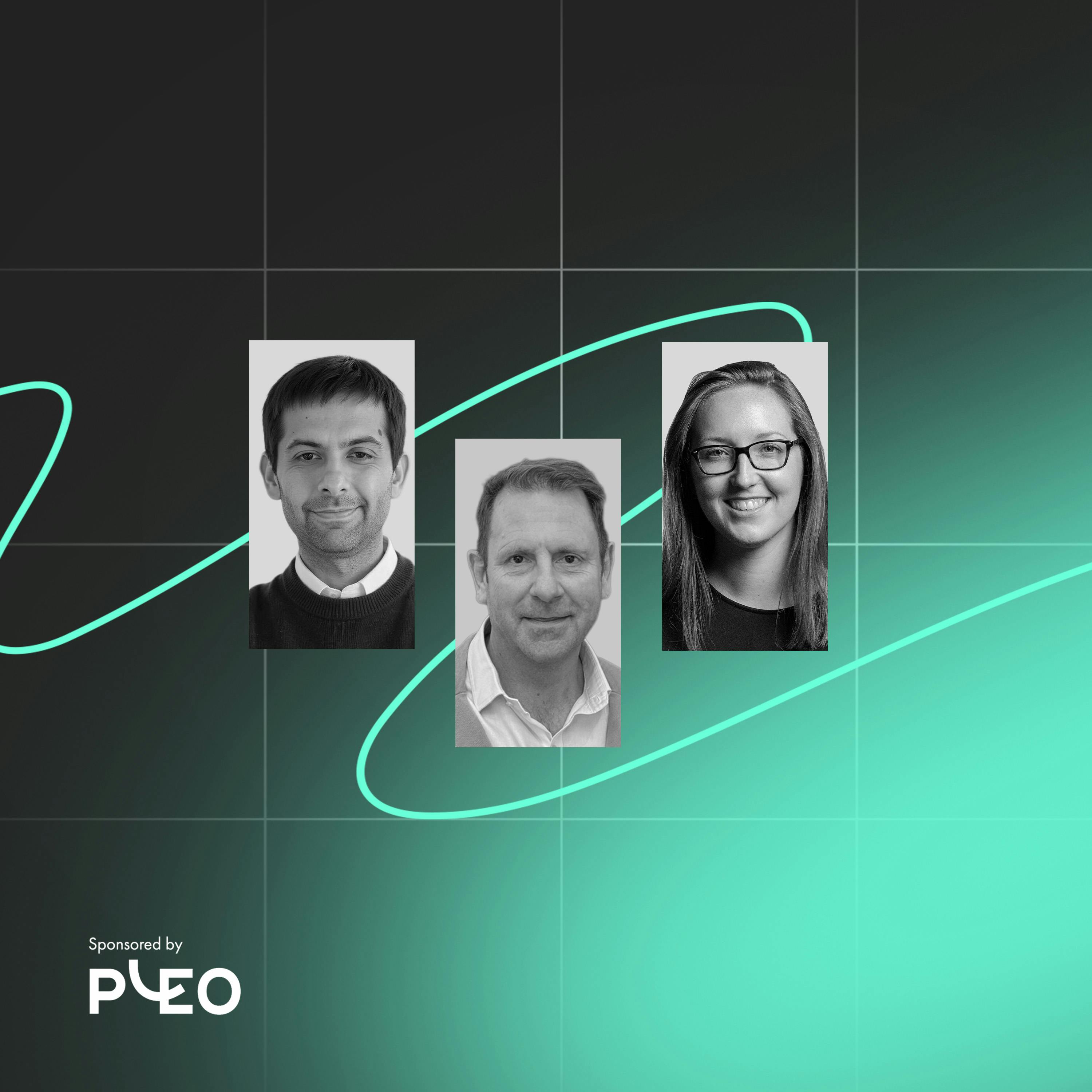
1022. Insights: How small and medium-sized businesses win with embedded finance
Banks aren’t just building apps anymore - they’re building digital CFOs. Join Kate Moody in this episode of Fintech Insider as she explores how SMB banking is evolving from simple dashboards to intelligent financial guidance.

1021
1021: News: Revolut takes on phone snatchers - and banks still need to take sustainability seriously
Host David Barton-Grimley, Fintech Strategy Director and Head of Product at 11:FS, is joined by a fantastic panel of guests as we dive into some of the biggest stories from the worlds of fintech, banking, and wider financial services this week.

1020
1020: Insights: How ready are you for stablecoin regulation?
With the US GENIUS Act reshaping digital-asset oversight, the EU’s MiCA rules setting a unified standard, and the UK opening the door for stablecoins as an official form of payment, one thing is clear: stablecoins are going mainstream, fast.

1019
1019: News: Bank it like Beckham, Klarna’s stablecoin pivot, and Chase taps in on the Tube
Host Ross Gallagher, Head of Consulting is joined by a fantastic panel of guests as we dive into some of the biggest stories from the worlds of fintech, banking, and wider financial services this week.

1018
1018: Insights: What it's actually like to build a fintech in the Middle East
In this special episode David M. Brear digs into what it really takes to succeed as a fintech startup in the Middle East alongside some special guests.
1017
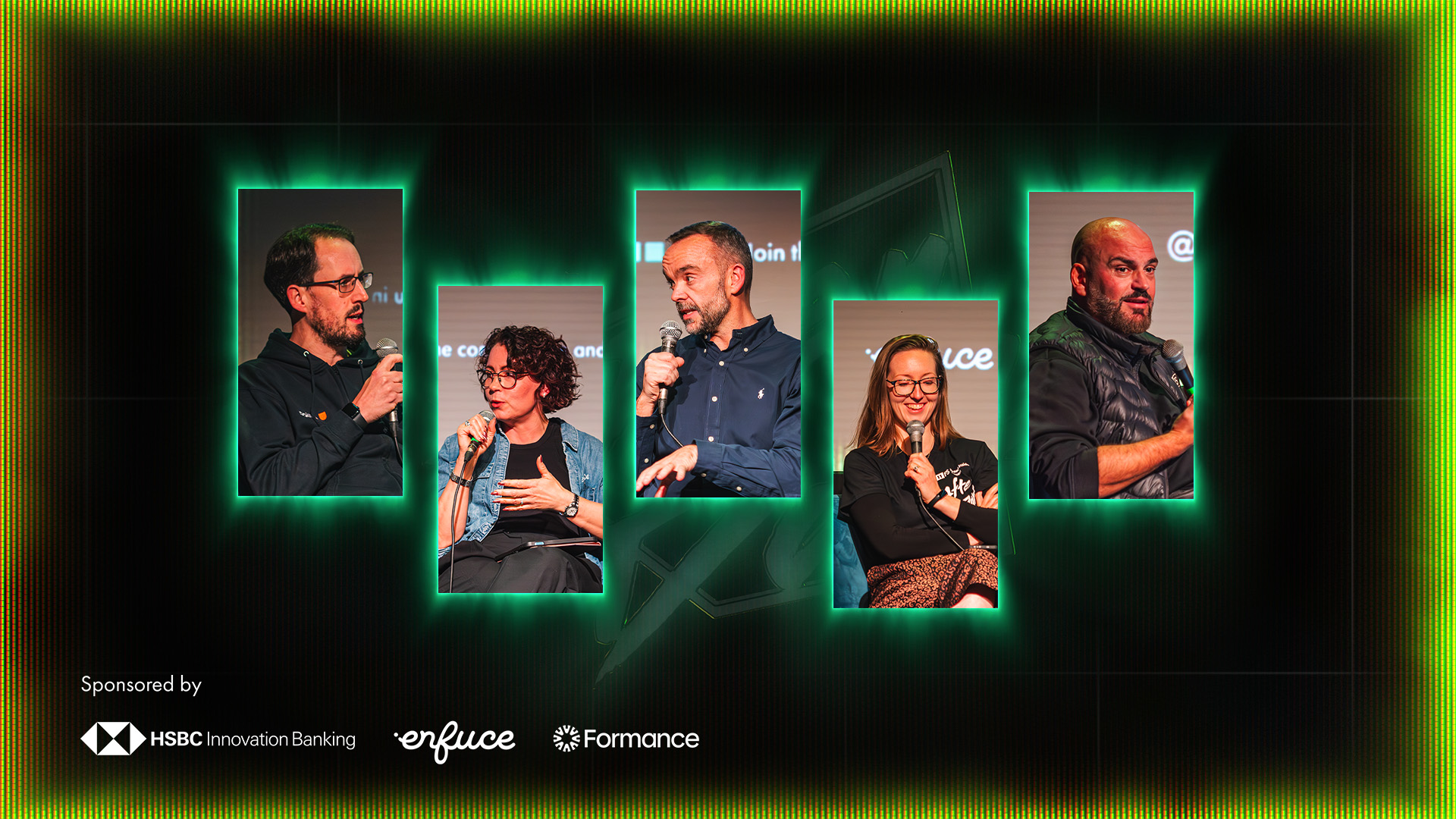
1017: News -After Dark: Long live the high street bank! Revolut checks in with Booking.com, and Visa trials stablecoin payouts
Our expert host, David M. Brear, and co-host, Kate Moody, present Fintech Insider News live from Village Underground in London, joined by some fantastic guests to discuss the biggest fintech and financial services stories of the week.

1016
1016: Is agentic commerce the future of payments? Live from Paris with J.P. Morgan
Live from Paris, David M. Brear steps into the heart of payments transformation - a shift that’s unfolding far beyond the checkout screen and deep within the financial stack.

1015
1015: News: PayPal launches BNPL in Canada, Coinbase expands into current accounts - and financial education hits the classroom
Host Laura Watkins, Director of Media and Marketing, is joined by a fantastic panel of guests as we dive into some of the biggest stories from the worlds of fintech, banking, and wider financial services this week.







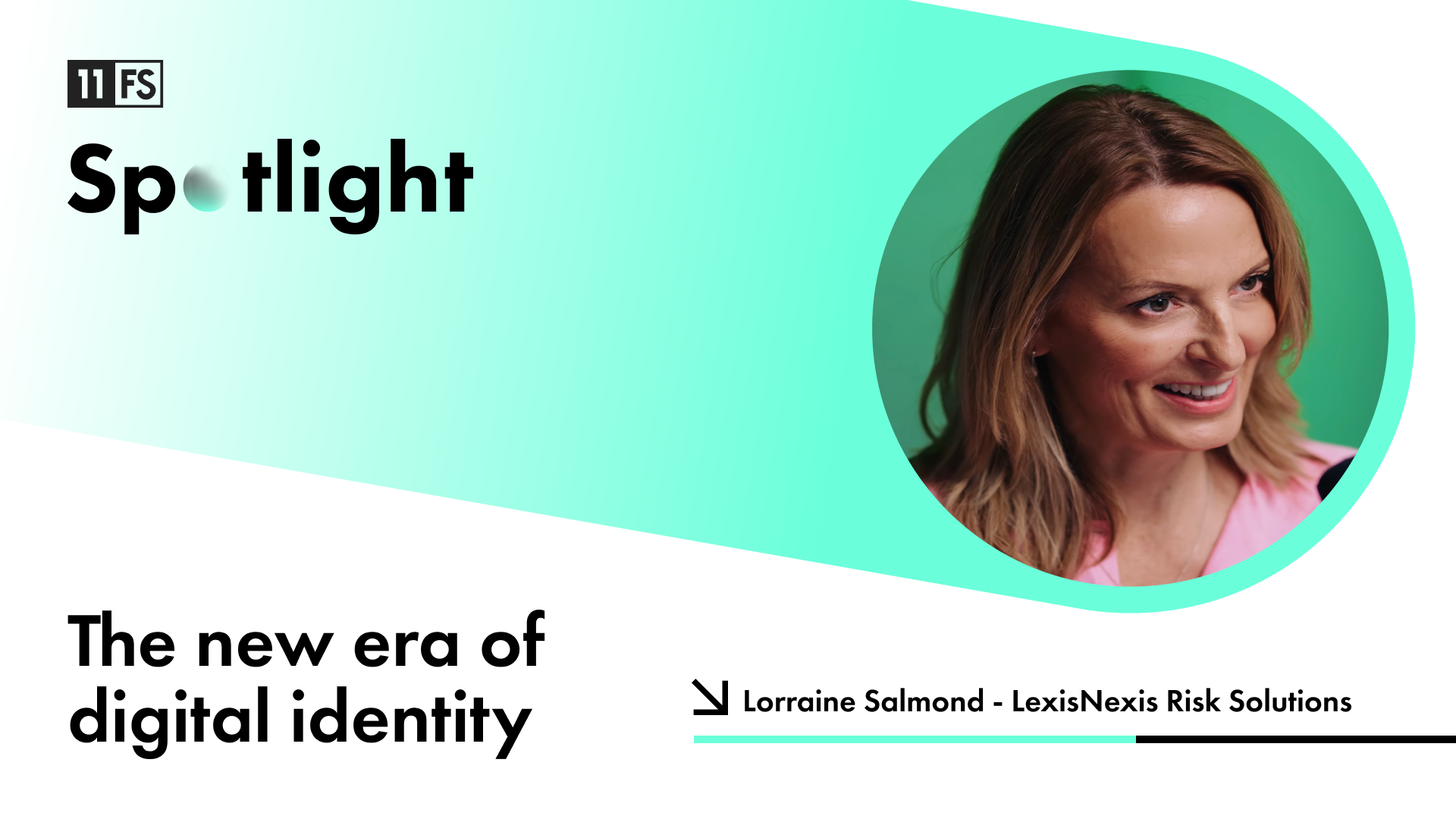

3 ways AI is shaking up UX in financial services | 11:FS Explores
The entire world is buzzing about AI, and that ain't changing anytime soon. But as AI becomes more integrated into our daily lives, what impact will it have on financial services and how people interact with them?





What are fintechs? - Decoding: Banks
Ever wanted to know what’s going on behind the scenes every time we make a payment?

How does banking regulation work? - Decoding: Banks
Regulation is essential. It stops banks from going bust or behaving badly.

How has software evolution influenced banking? - Decoding: Banks
The invention of the computer revolutionised banking in the 1950s.

How does lending work? - Decoding: Banks
Lending has been around for thousands of years and is one of the cornerstones of banking.

How can traditional banks win on the banking battlefield? - Decoding: Banks
They're down, but they're not certainly not out.

How do card networks operate? - Decoding: Banks
Mastercard and Visa are the two biggest credit card networks in the world.

How has the banking battlefield evolved? - Decoding: Banks
We kick off our Decoding: Banks series with a look at the banking landscape today and how we got here.

960
Insights: The future of Revolut with UKCEO Francesca Carlesi
The UK banking battlefield has never been more competitive. Customers expectfinancial apps that are personalised, seamless, and that genuinely make a differenc...
960
Insights: The future of Revolut with UKCEO Francesca Carlesi
960
Insights: The future of Revolut with UKCEO Francesca Carlesi
The UK banking battlefield has never been more competitive. Customers expectfinancial apps that are personalised, seamless, and that genuinely make a differenc...
960
Insights: The future of Revolut with UKCEO Francesca Carlesi
960
Insights: The future of Revolut with UKCEO Francesca Carlesi