.svg)
.svg)
.png)

Our banking apps are very good at telling us what already happened. They know what we spent at the supermarket, when the electricity bill came out and exactly how much damage that weekend away did to our balance.
Useful? Absolutely. But knowing where your money went isn't the same as knowing whether you're actually in good shape.
That's beginning to change. Banks are borrowing from the digital wellness playbook: health checks diagnose, personalised insights track, automated tools build habits, and AI assistants are beginning to coach.
It's the Fitbit model applied to money. And for UX teams, it raises a bigger question: if someone regularly uses your app but their financial situation isn't improving, is that really a successful digital experience?
Nordea - Personalised financial health recommendations
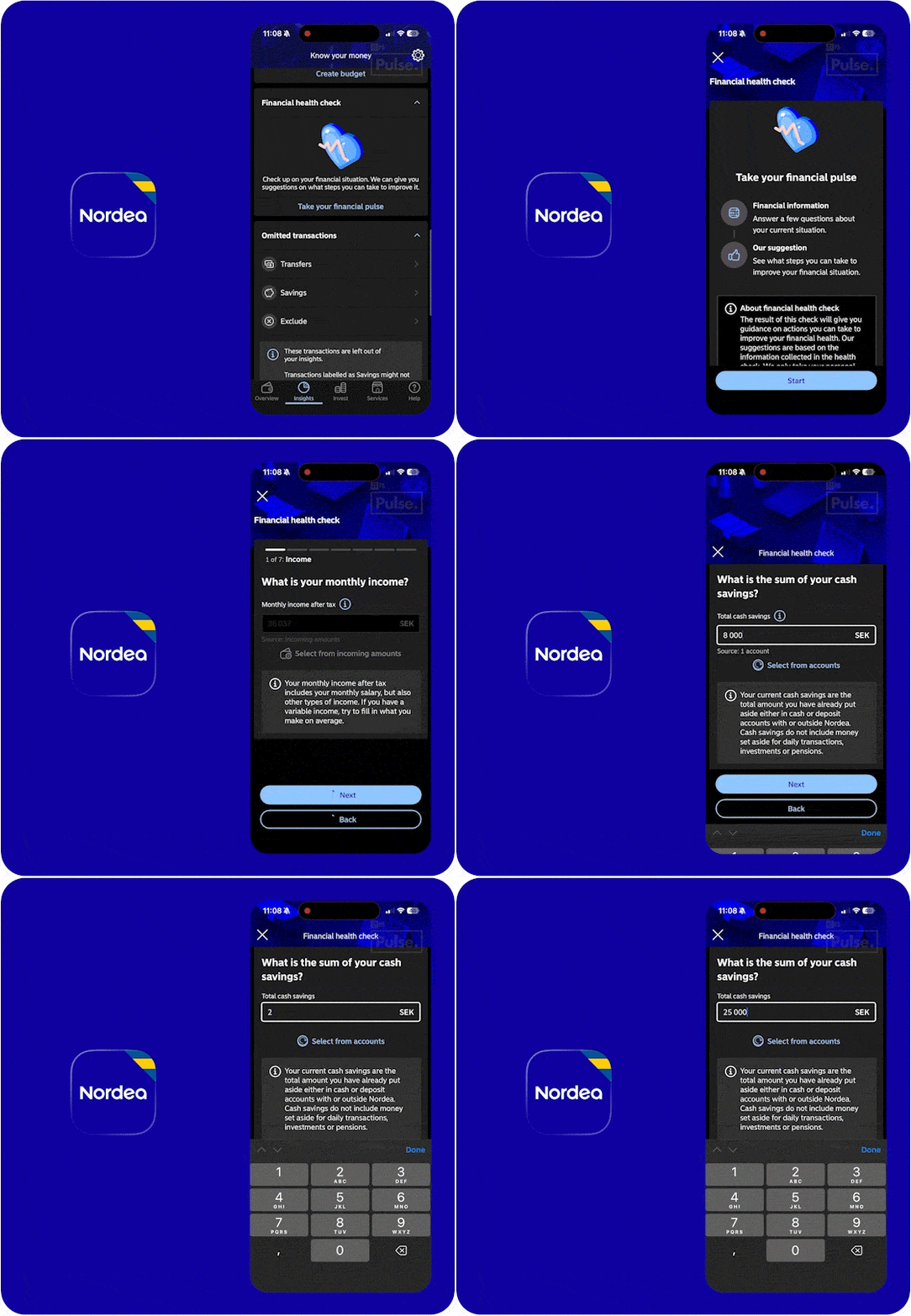
Nordea's Financial Health Check focuses on what happens after the diagnosis. It builds a broad picture across savings, pensions and insurance, while pulling figures from existing accounts to reduce effort. Rather than overwhelming users, Nordea prioritises actions, such as increasing an expense buffer or reviewing life insurance, and tells them to tackle one at a time. Even the reassuring tone makes improvement feel achievable. It shifts the experience from telling customers what's wrong to showing them where to start.
Time for a financial check-up
Fitness apps don't dump thousands of heart-rate readings on a screen and leave us to diagnose ourselves. They answer something simpler: how am I doing, and what should I do next?
Financial health and wellbeing point towards a similar shift in banking. Being financially well isn't necessarily the same as being wealthy. It can mean feeling in control of everyday money, being prepared for the unexpected and feeling confident about the future.
Providers are interpreting that differently:
🧮 BBVA's Financial Health Overview takes a numbers-led approach, bringing accounts and investments together with assets such as a home or car and what the customer owes.
🧠 Royal London's Financial Wellbeing Service explores the more subjective side, combining a wellbeing score with the customer's money mindset, confidence and personalised ways to improve.
🎧 Up's Hi–Fi (below) makes the wellness crossover even more explicit. Its “check-in” asks about both the customer's situation and feelings about money, positioning financial wellbeing as a relationship to improve, not simply a number to monitor.

Here’s the distinction: financial health can describe what someone's finances look like; financial wellbeing can consider how they feel about them and what they're able to do next. For designers, the opportunity isn't another score.
It's assessment → explanation → action → reassessment.
From insight to intervention
A health check is only one moment. Everyday banking can go further by interpreting behaviour, not just reporting it. There's a difference between “you spent £340 on eating out” and “your eating-out spend is higher than usual.”
But more insights can quickly become noise. The UX challenge is knowing what matters now and what the customer can do about it. Savings pots, salary splitting and automation can shorten that gap between insight and action, but timing matters too. It's not just what to encourage, but when.
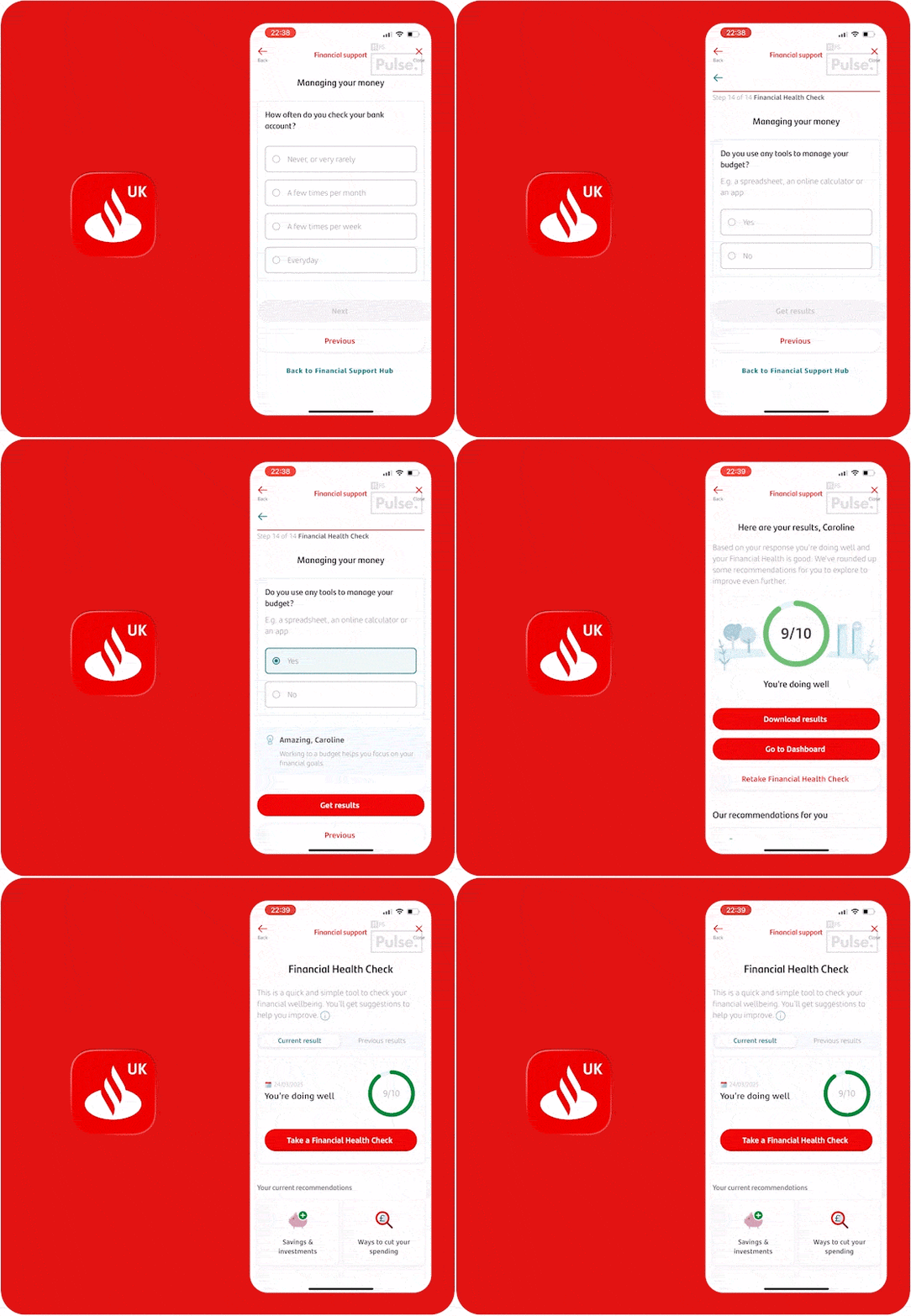
Santander's Financial Health Check turns “financial wellbeing” into something customers can measure. Its questionnaire explores goals, borrowing and savings, using real-life scenarios, such as how someone would cover an unexpected £500 expense, to gauge resilience. Answers become a score out of 10, followed by recommendations around saving and spending. Customers can revisit results and retake the check, making wellbeing something they can assess, understand and track over time.
Your new financial personal trainer
A personal trainer doesn't just track progress; they check in, understand how you're feeling and adapt what happens next. Revolut's AIR already uses financial activity to suggest practical actions, from putting recurring bills into a Pocket to making small regular savings transfers.
But imagine adding a wellbeing check-in: “How are you feeling about money this week?” AI could combine that answer with spending, saving and goals to offer reassurance, flag something worth attention or suggest one achievable next step.
That could make financial wellbeing continuous rather than a one-off check-up. Transaction data can show spending is up or savings are down, but not necessarily how someone feels about that change. Combining what the bank knows, what the customer chooses to share and what they're trying to achieve could create a more rounded picture of progress.
Fit for the financial future?
Financial wellbeing can also look forward. Wells Fargo’s ‘Fargo’ brings forecasting directly into its AI assistant, proactively surfacing predicted activity based on previous and scheduled transactions so customers can see potential demands on their money before they arrive.
The opportunity is turning those forecasts into action. If AI can anticipate upcoming payments or potential pressure on a balance, it can help customers understand what matters, why, and what they can do before it happens. That takes financial wellbeing beyond “how am I doing?” towards “where am I heading, and what can I do about it?”
Best-in-class user experiences, at your fingertips
11:FS Pulse gives you access to over 25,000 handpicked user journeys, including those we've shared above, from 920+ brands worldwide - a live, visual library of what’s working in digital banking today. Stay ahead of competitors, spot emerging trends, and cut your product research time by up to 90% - just ask Monzo.
Book your demo with our experts at 11fs.com/pulse and see what you’ve been missing.