Content Hub
.svg)
.svg)
How to manage financial products in Europe, NA, Asia, and beyond.
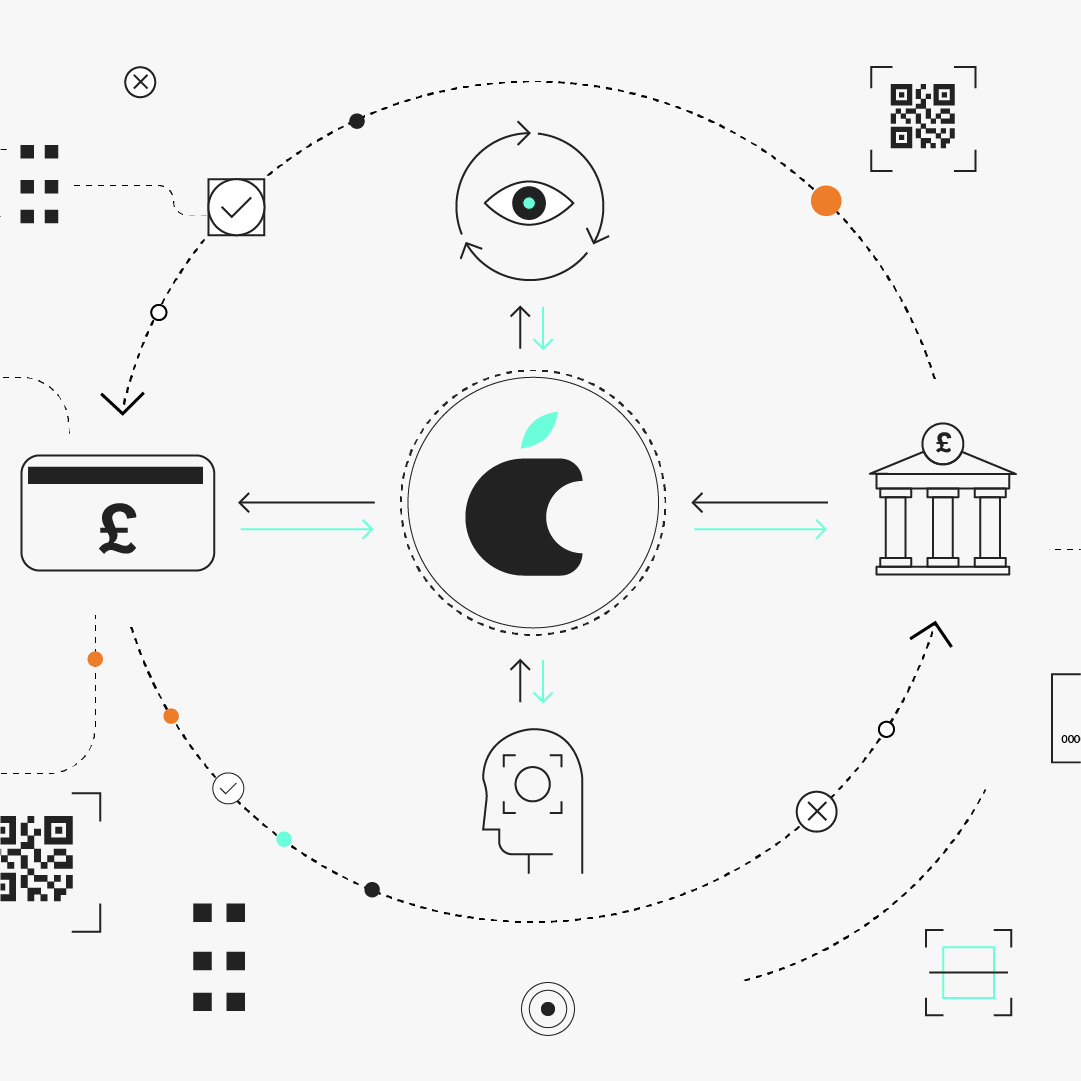
How Apple is leading the charge for brands embedding finance
Cyber attacks are hardly new, so why are banks putting renewed energy into combating them? 11:FS Market Research Analyst Joanne Kumire explains.

Jobs to be Done: Helping US SMBs build credibility and legitimacy in order to access funding
This is the final instalment of a 6 part series that explores the Jobs to be Done (JTBD) for US SMBs that we identified in our recent research. Each blog post dives into one of the jobs and how we examined it with a JTBD canvas. If you missed the first post that explains JTBD and the canvas, check it out before reading this.

Seedrs and Crowdcube merger: hot takes
It's a truism that the hardest job in engineering is that of 'Tech Lead'. You're the person who's not only writing code, but simultaneously leading a small group of other engineers and spending large amounts of time talking to stakeholders and the Product Manager (or, ten years ago, *Project* Manager). This is taken from our Unfiltered newsletter. Subscribe now for a no BS, uncensored analysis of fintech news and hot topics delivered to your inbox each fortnight.

Using the cloud to fly sky high above the competition
As we roll into 2018 thoughts inevitably turn to the big themes that we might expect (and hope) to see for user experience in the financial services industry this year.
Jobs to be Done: How to help US SMBs keep their personal assets separate from their business finances
Jobs To Be Done (JTBD) is a theory. Its main aim is to explain why customers start - and stop - using different products and services in the market. Stripped down to the essentials, it’s a fairly straightforward concept first introduced by Harvard professor Clayton Christensen that can be adapted into a useful tool for product development.
What the FinCEN files leak means for banks
There’s been a huge leak of files from FinCEN, the US-based Financial Crime Enforcement Network. Over 2000 Suspicious Activity Reports (SARs) and hundreds of other documents appear to show how banks have been unable to prevent trillions in money laundering, tax avoidance and criminality over the past decade. But there's a more in-depth story to uncover here.

Jobs to be Done: How to equip US SMBs with the right tools to track and manage cash flow
This is the third instalment of a 6 part series that explores the Jobs to be Done (JTBD) for US SMBs that we identified in our recent research. Each blog post explores one of the jobs and how we examined it with a JTBD canvas. If you missed the first post that explains JTBD and the canvas, check it out before reading this.

Jobs to be Done: The gaps in US SMB financial services
David M. Brear interviewed Jonathan Larsen, CIO, Ping An and CEO of their Global Voyager Fund, a $1bn investment fund, specifically for fintech. He tells David all about the fund and the innovations in fintech coming from China and making a huge impact worldwide.
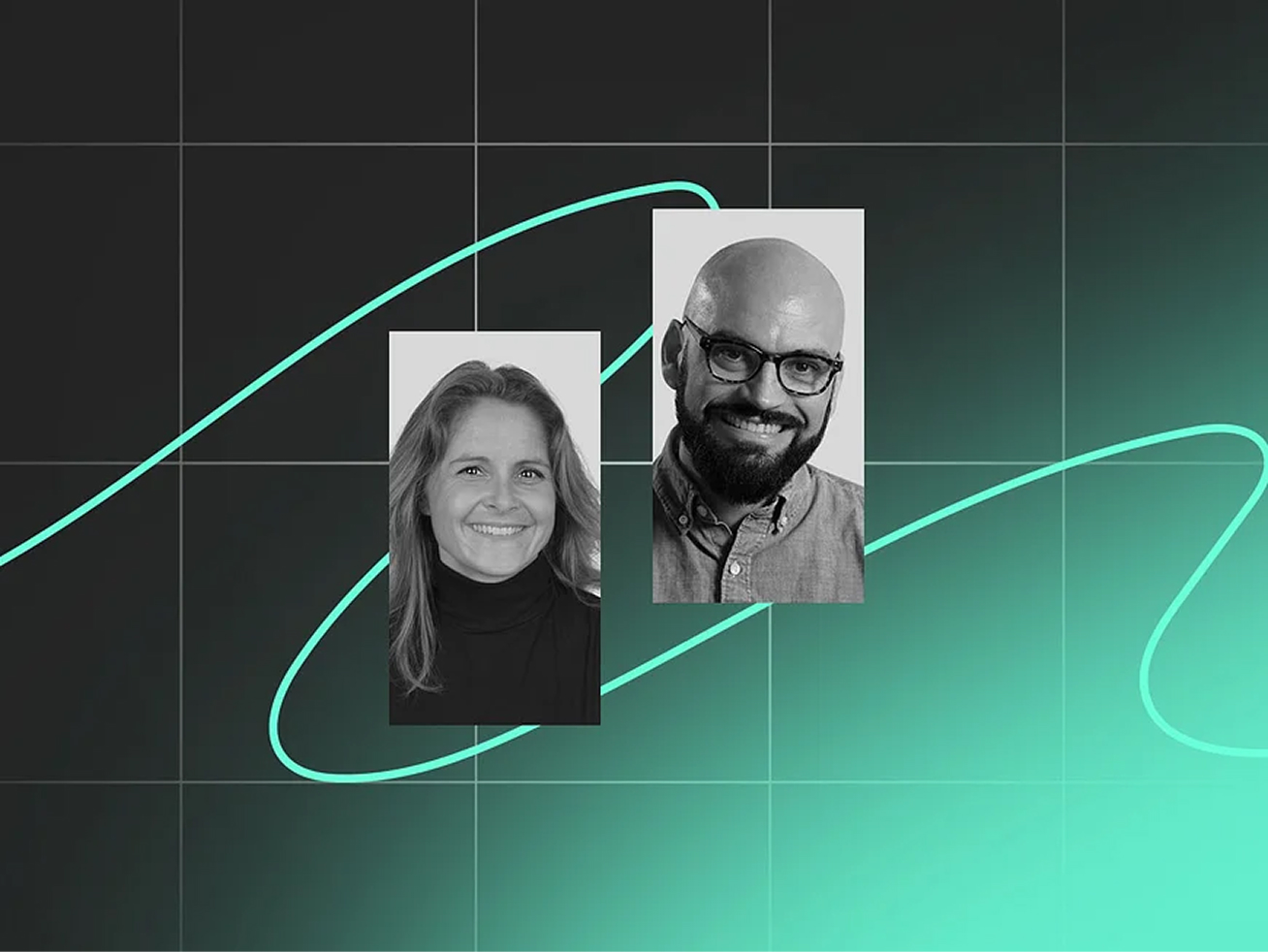
Designing experiences and inspiring the makers. Clouston Mahon
Despite the astronomical price-tag and highly breakable look of early foldable phones, we can confidently predict a future of interesting new design challenges thanks to flexible screens.
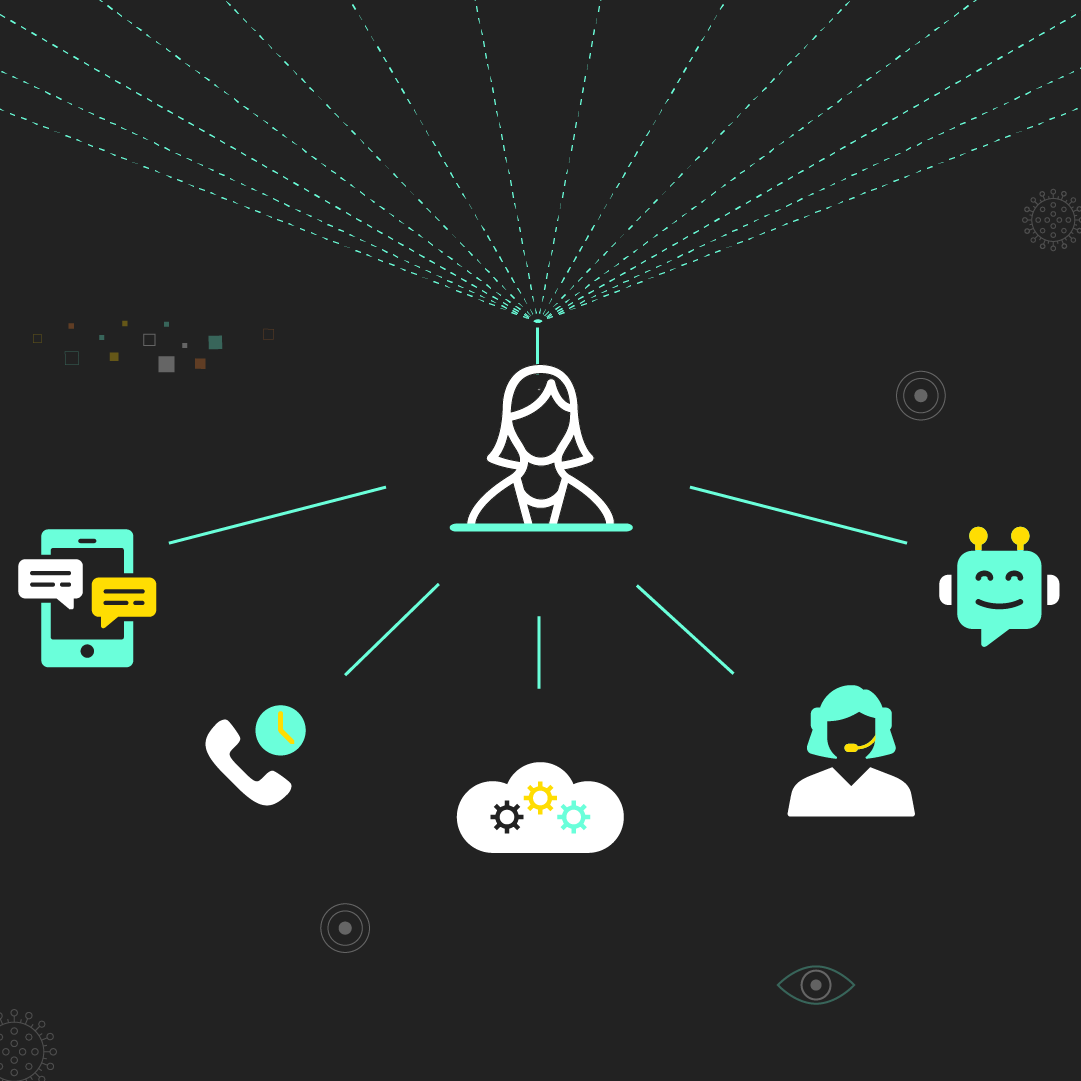
How digital customer support can help banks during COVID-19 and beyond
At the beginning of 2022, many early-stage investors looked ahead with optimism as we emerged from the depths of the COVID-19 pandemic, and global economies started to show signs of growth again.

Designing digital services for US SMBs using Jobs to be Done
Sharing our stories, our challenges, and the things that truly matter to us. Today we talk to Clouston Mahon who is a UX lead in the 11:FS Pulse team to discuss what makes a great user experience, who is doing it well and looking outside of financial services for inspiration.

Lessons from COVID-19: you need a truly digital strategy, now!
In the first part of this series I introduced the story of Frederic Tudor, the American Ice-Block King; and discussed lessons learned from his then new product offering as it relates to blockchain technology. Tudor was able to successfully corner the ice-block shipping market and eventually was shipping blocks of ice to as far away as Calcutta from his home in Boston.
Is the COVID-19 crisis creating fintech M&A opportunities?
How can community banks remain competitive as large financial institutions gobble up more and more of the market?

Can digital lenders help more SMEs gain access to COVID-19 relief loans?
How successful have government loan schemes in the UK and US been so far and what’s next?
Leading a bank through a pandemic
Guest author Richard Davies gives his thoughts on the importance of scaling agile to all functions of an organisation, and some key factors on how to get there.

414
414. Interviews: Nova Credit - scoring, covid crisis and celebrity funding
Sam Maule is joined by Nova Credit co-founder and COO, Nicky Goulimis, to talk about underbanked immigrant communities, the changes that come with a global health crisis and the future of credit.

346
346. Insights: Jobs to be Done - The future of product design
Today's host, Ryan Garner is joined by some expert guests to bring you the latest episode of Fintech Insider Insights! Today we'll be focusing on everything JTBD, with insights from guests that know all about this space.
260
260. Insights: Product Design in fintech and banking
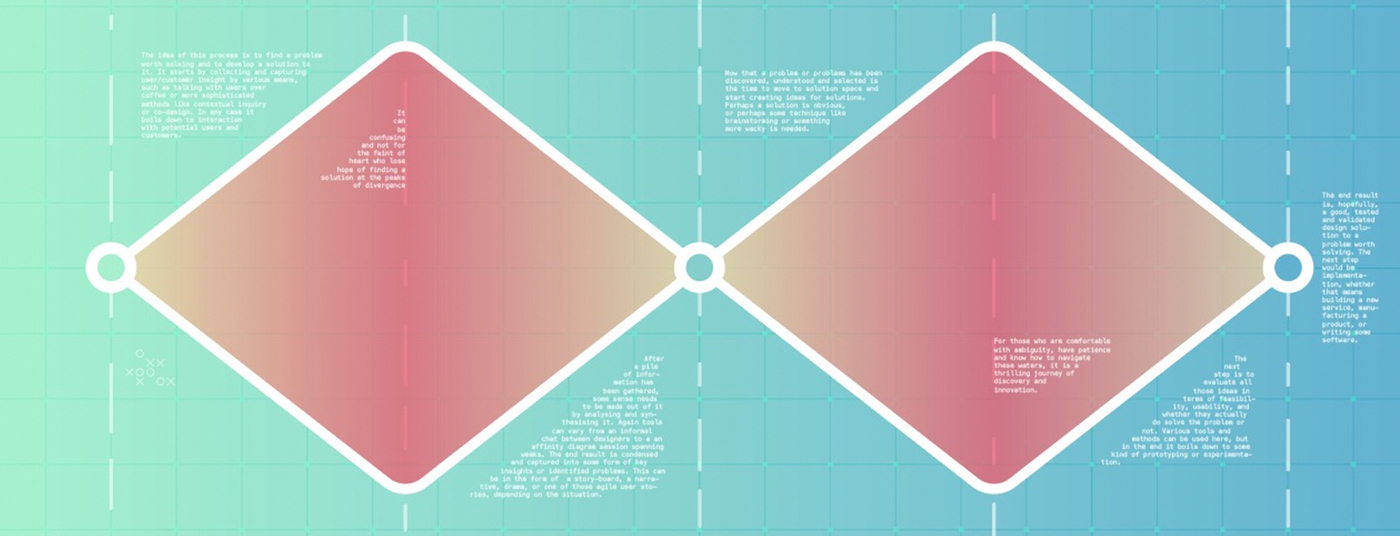
On today’s show, our host Jason Bates is going to take a bit of a deep dive into the world of product design for digital products in fintech and banking. We're using the classic double diamond of design to explain just what matters most in designing products and how to deliver products that matter to customers.


How has software evolution influenced banking? - Decoding: Banks
The invention of the computer revolutionised banking in the 1950s.

Jeff Keltner from Upstart on what the future of lending will look like | Spotlight
What does the future hold for lending? Live from Lendit USA 2022.


What is UX and what makes UX good? 11:FS Explores
Will banks exist in 100 years?

960
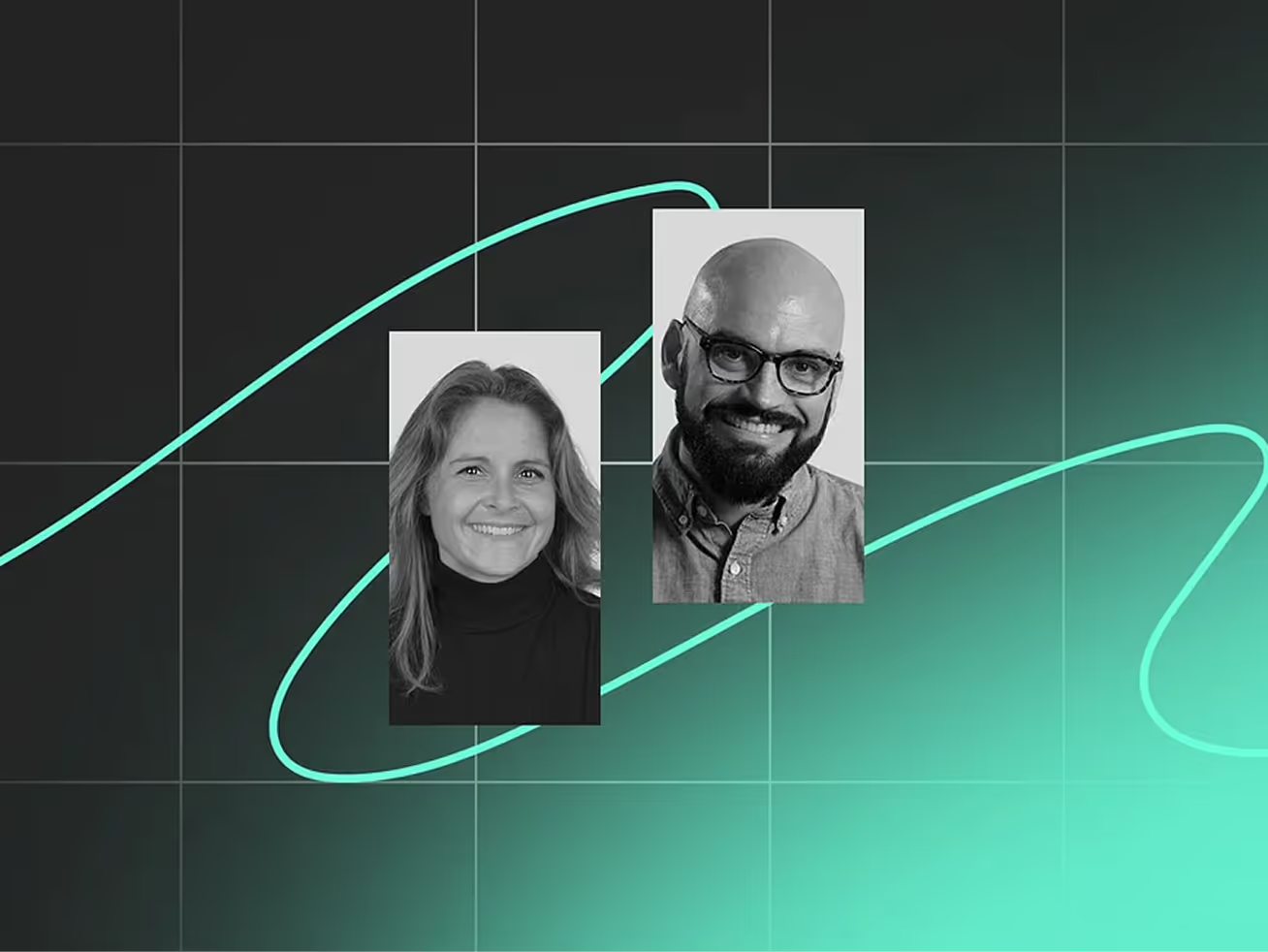
Insights: The future of Revolut with UKCEO Francesca Carlesi
The UK banking battlefield has never been more competitive. Customers expectfinancial apps that are personalised, seamless, and that genuinely make a differenc...
960
Insights: The future of Revolut with UKCEO Francesca Carlesi
960
Insights: The future of Revolut with UKCEO Francesca Carlesi
The UK banking battlefield has never been more competitive. Customers expectfinancial apps that are personalised, seamless, and that genuinely make a differenc...
960
Insights: The future of Revolut with UKCEO Francesca Carlesi
960
Insights: The future of Revolut with UKCEO Francesca Carlesi