Content Hub
.svg)
.svg)
Europe

Fintech Insider LIVE heads to Helsinki!
This week on Fintech Insider News David and Jason were joined by colleagues Pete Townsend and making his Fintech Insider debut, Ross Gallagher, from our Pulse and Research Team, to tackle the latest news from the last week. They were joined by regular guest Sarah Kocianski and Charlie Wood. Listen to the episode in full here or play and read below

1000 brilliant things are way better than 1000 average ones
I’ve blogged on some of the themes I’m going to cover below, but the story gets clearer and clearer in my head the more I blog about and talk about it, so this version may be a little clearer than some that have gone before.

Lloyds Scrap Overdraft Fees - (our) 11 Reasons Why
Should I sell my cryptocurrency? Is all hope lost? Will Bitcoin die? If you were fast asleep, and then suddenly your bed accelerated at high speed, before going upside down and doing loops. You'd be pretty shocked, right? I mean, my dreams can be pretty out there at times but I mean like your actual bed moving like a rollercoaster.

Nathan Bostock - CEO, Santander on embracing tech changes in banking
Time to budget for your next beach holiday (or city break if that’s what you’re into). To help, Nationwide’s launched a new ‘Savings Goals’ feature for its mobile banking app. It prompts customers to set a specific financial goal to reach at a particular date. Let’s take a look at this new feature, and see how it compares to Monzo’s ‘Savings Target.’

What is PSD2 and what will it mean for customers?
Fintech Connect 2020 is just around the corner! It’s taking place online from the 30th November to the 4th December, with 8,000 attendees and more than 200 speakers already confirmed.

The UK election: what's the result for banking and fintech?
With the industry evolving rapidly around us, there’s little room for anyone who isn’t able to change at pace. A six month old greenfield codebase will be brown before you know it. You must be able to move quickly.

Barclays UK CEO On The Exciting Challenges of Today
From dreams of running a five-star hotel to the reality of running a five-star bank, Ashok Vaswani, the CEO of Barclays UK, speaks with Simon Taylor about culture, digital transformation challenges and opportunities, front line staff empowerment and how Simon might be able to buy a Lamborghini in the future.

Loot CEO Explains How to Create Next-Gen Banking as Your Side Hustle
Lesley-Anne Vaughan, Director of MiLA Consulting and Co-Creator of M-PESA, Vodafone’s famed mobile money transfer service, has been dedicated to mobile money and mobile financial services in emerging markets since 2005. Here, she shares how M-PESA transformed from a microfinance product to a revolutionary service that’s changed Kenya’s infrastructure, increased financial inclusion, and earned the majority of the market for mobile money transfers.
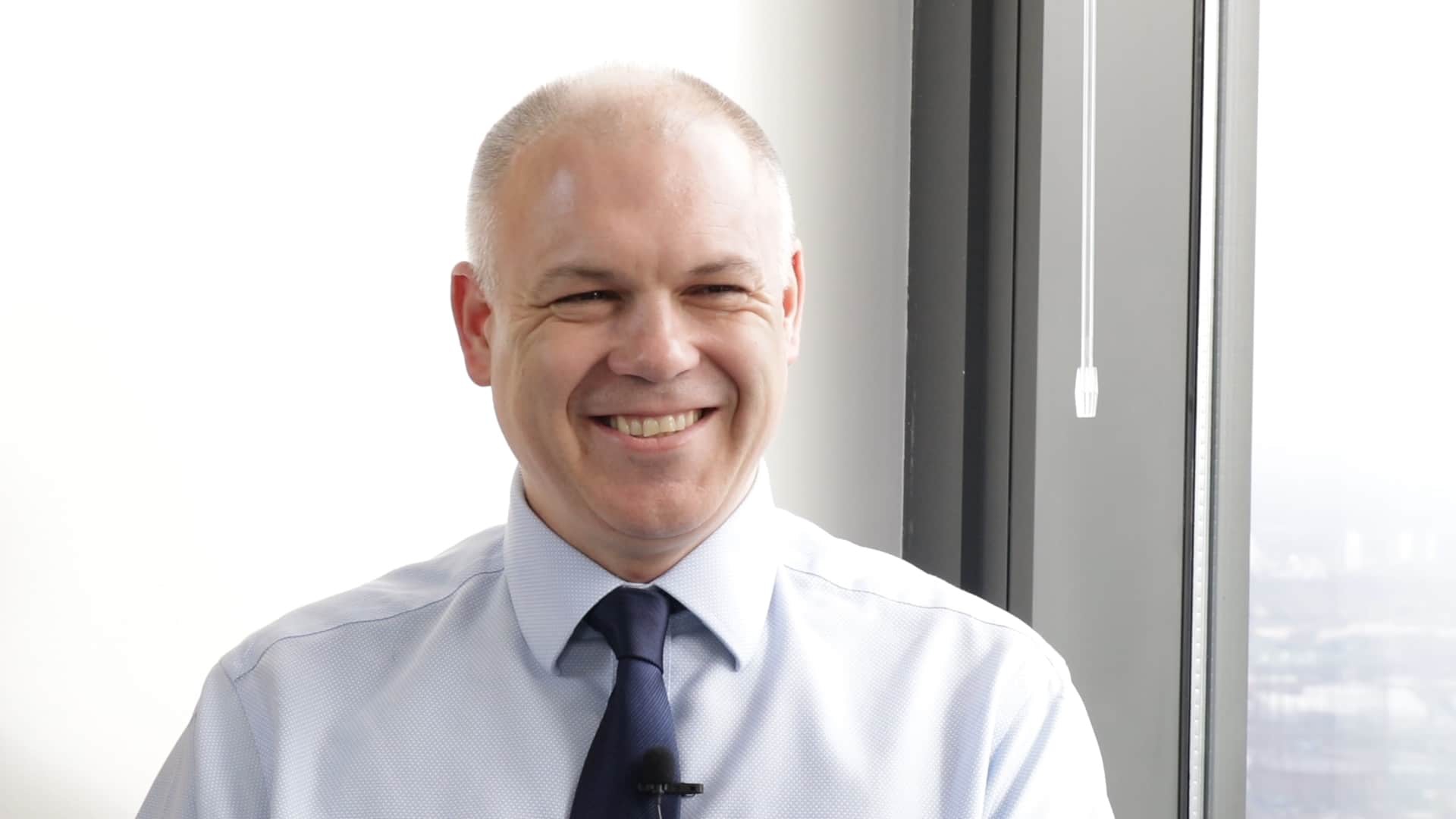
FCA: Positive Disruption in the Industry is a Really Good Thing
The UK banking battlefield has never been more competitive. Customers expect financial apps that are personalised, seamless, and that genuinely make a difference — and they compare them not just to other banks, but to the best digital experiences in any industry. The margin for mediocrity is gone.
First UK high street bank to jump into the world of mobile savings goals. - 11FS
With so much noise about new market entrants in the SMB banking space, it’s easy to think your bank’s missed the boat and has to play catch-up. But that’s not necessarily the case.
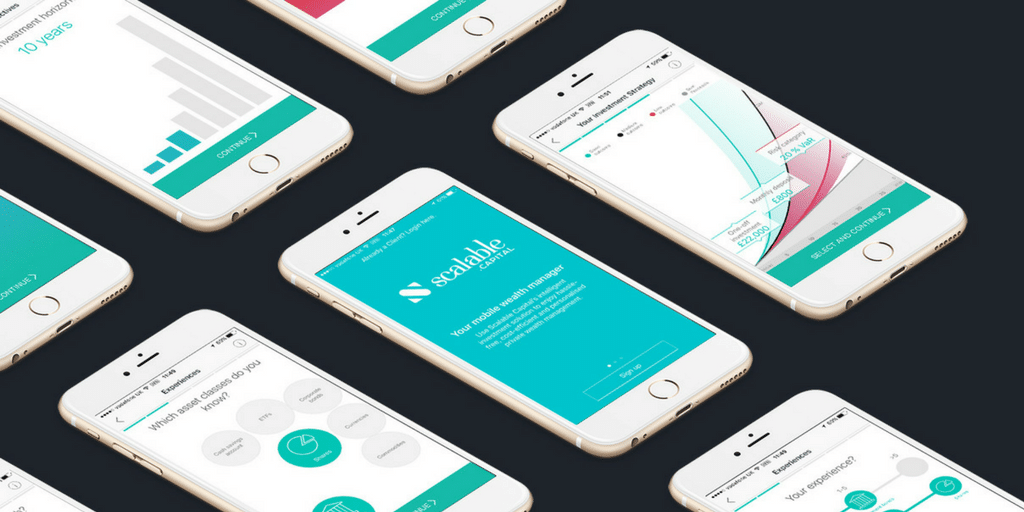
An Open Letter to Mark Carney on Robo-Advice
Bank of England Governor Mark Carney has robo-advice on his mind. For him to be speaking about a nascent industry, he must believe that firms using technology to help manage people’s money will grow to become a significant part of the market. However, in his recent speech, he appears concerned about robo-advisors becoming a risk to our financial system, arguing they may lead to excess volatility or increase pro-cyclicality as a result of herding. Guest blogger Adam French, CEO of Scalable Capital, says this attack on robo-advice is misinformed for several reasons.

How to Build a Bank - Our Interview with Monzo
I was recently asked by a client: ‘how do I hire a design team?’
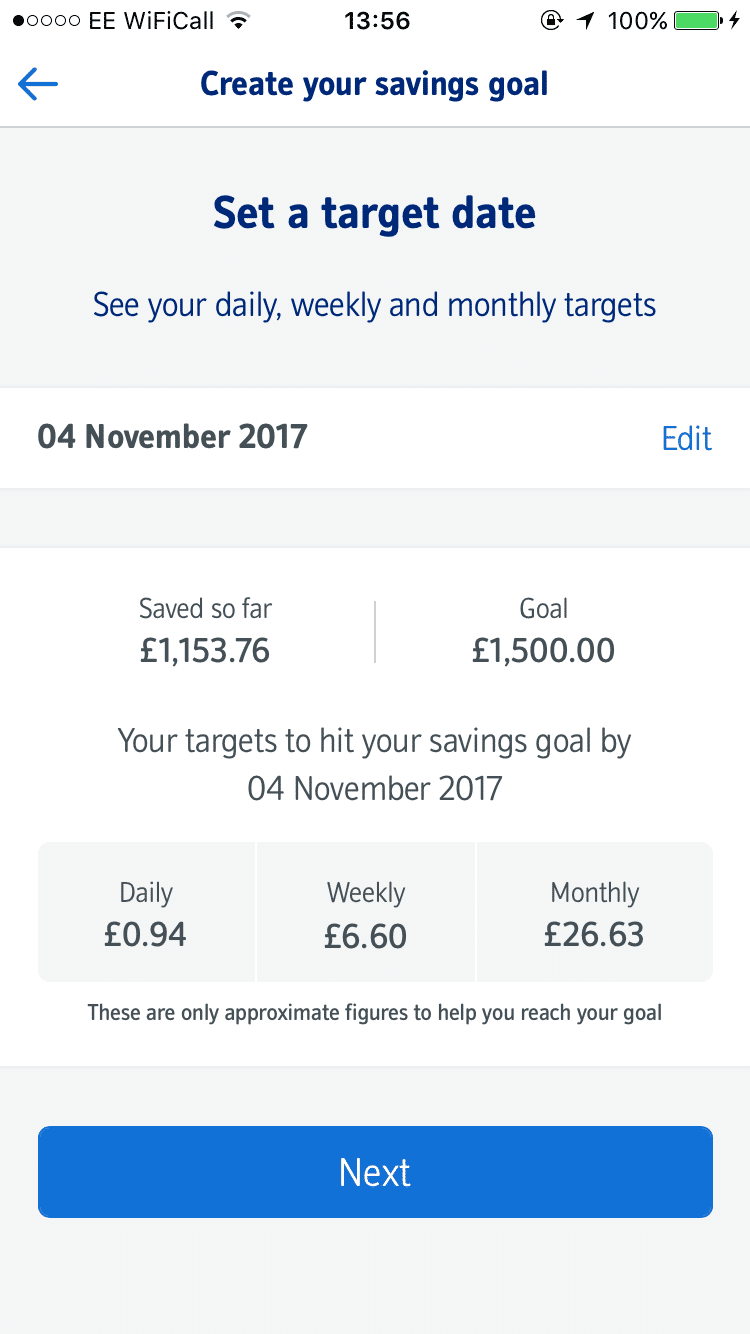
Nationwide vs Monzo: Tracking Savings Goals
In the race to add as much functionality to mobile banking apps as possible, few banks are stepping back and thinking about the “little things” that will enhance the customer experience, such as re-vamped journeys and navigation. The newly released banking app from Nationwide Building Society, which automatically adapts to suit mobile and tablet screens, demonstrates that paying attention to the little things makes a big difference
First UK high street bank to jump into the world of mobile savings goals. - 11FS
Yesterday we saw Nationwide launch a new Savings Goal feature within its mobile banking app. It takes a different approach to savings, prompting customers to set a goal of the total amount of their savings account at a particular date.

Regulation Sandbox Changes the Rules of Fintech Playground
Sarah Kocianski should be familiar to all of you now, she has hosted our three podcasts: Fintech Insider, Blockchain Insider, and Insurtech Insider, as well as penned many of our blog posts and reactions to major news in the fintech space. I had a chance to sit down with Sarah and talk to her about what makes her most passionate about fintech and what she believes needs to happen most in business.

182
182. Interview: The FCA's exclusive announcement
In this episode, Jason Bates chats to Chris Woolard, Strategy and Competition Director about an exclusive announcement concerning their regulatory sandbox.
180
180. Interview: Mike Kelly, CEO - Curl
In this episode, Simon Taylor chats to Mike Kelly, CEO and founder of payments network, Curl.
171
171. Interview With Rishi Khosla, CEO of OakNorth
Today Jason Bates interviews OakNorth CEO Rishi Khosla, a leading challenger bank in the UK.
168
168. Interview: Tom Blomfield - CEO, Monzo
Simon Taylor interviews Tom Blomfield, the CEO of Monzo where they discuss the challenger bank's viral growth, PSD2 and it's roadmap for the future.
163
163. Interview: Toby Triebel, Wealthsimple
This week, Jason Bates speaks to Toby Triebel, CEO Europe, Wealth Simple.
157
157. Fintech Insider LIVE from OP's Beach Party in Helsinki
This week's special episode was recorded live from OP's Slush after-party in Helsinki, where Jason, Simon and Sam are joined by very special guests to bring you 3 shows in one: topical discussion, round table insights and very special interviews from a fantastic indoor beach party in midwinter...
21
21. Bitcoin futures & ConsenSys London launch party
This week Simon and Colin bring you the best of the week's news, including LedgerX bitcoin futures options, crypto funding for movies plus some exclusive insights from ConsenSys' London launch party.
145
145. Insights - Transferwise Takeover
This week, we’re recording from the Transferwise office in Shoreditch Highstreet, a stone’s throw from our home in WeWork, Aldgate, to hear the Transferwise story.
119
119. Insights - NFI (Nordic Finance Innovation)
Coming up on today’s show we bring you the highlights from one of Nordic Finance Innovation's annual events.
111
111. Insights: Money20/20 Europe, Part 2
In this episode: We bring you the second roundup of highlights from Money20/20 Europe in Copenhagen. We caught up with some […]
272
272. Insights: Money20/20 Europe, Part 1
In this episode: We bring you the highlights from last week’s amazing event at Money20/20 Europe in beautiful Copenhagen. We […]
271
271. News: LIVE from Money20/20 Europe
In this episode We bring you our first ever live podcast, recorded in front of a live audience at Money20/20 […]
268
268. News: It’s raining money in Durham
In this episode We have a whole host of hosts as David, Jason, Simon and Aden are joined by Mariano Belinky […]
267
267. Interview – Nathan Bostock, CEO Santander UK
In this episode Simon interviews Nathan Bostock, CEO of Santander UK. Nathan explains how Santander is embracing the tech changes […]
262
262. State of Fintech: Amsterdam
In this episode Jason and Simon catch up with ABN AMRO’s Freek de Steenwinkel & Roland Booijen, and Ali Niknam, […]

What Griffin are going to do now they have their banking licence with CCO Adam Moulson | Spotlight
Inclusive design is a mindset and a process that suggests that you should bring as many people as possible - and the most diverse of voices that you can - into your product design product process, so that you're being truly inclusive. It's designing with people rather that just at them. Charlotte Fereday, Product Director, Ventures, explains what inclusive design is, why it's important, how you can design more inclusively, and answers - how possible is truly inclusive design?

960
Insights: The future of Revolut with UKCEO Francesca Carlesi
The UK banking battlefield has never been more competitive. Customers expectfinancial apps that are personalised, seamless, and that genuinely make a differenc...
960
Insights: The future of Revolut with UKCEO Francesca Carlesi
960
Insights: The future of Revolut with UKCEO Francesca Carlesi
The UK banking battlefield has never been more competitive. Customers expectfinancial apps that are personalised, seamless, and that genuinely make a differenc...
960
Insights: The future of Revolut with UKCEO Francesca Carlesi
960
Insights: The future of Revolut with UKCEO Francesca Carlesi