Content Hub


Global

One Fintech Nation: Fintech for Good
Today we’ve got the second in our four part mini-series on fintech in the UK with Tech Nation (go listen to the first one here if you haven’t already). Our latest episode on uniting the fintech kingdom focuses on what makes the UK such a unique regulatory environment. We also take a look at whether Brexit will remove the UK’s fintech crown. This post is just a little teaser for what’s coming out at 4pm today. In our podcast we examine why UK fintech is so attractive and how to keep the flow of talent and companies coming in. You can/should/need/have to listen to it asap.

Jobs to be done: Design, Test, oh shit...
This is the fourth instalment of a 6 part series that explores the Jobs to be Done (JTBD) for US SMBs that we identified in our recent research. Each blog post dives into one of the jobs and how we examined it with a JTBD canvas. If you missed the first post that explains JTBD and the canvas, check it out before reading this.

Wellbeing: How Mental Health Impacts Everyone
There’s a lot of recession talk at the moment. Are we entering the next recession? Are we already in it? We all remember the 2008 financial crisis, and, more recently, the Covid-19 pandemic and lockdowns, and all the financial trouble they caused.

Jobs to be done: Customers don’t want your bank
I speak to a lot of banks and I get asked the same question: “How do I test my product ideas?” The secret is understanding how your customers measure value and align your proposition to their definition of success. However, the temptation for a lot of corporate innovation teams is to jump straight into product design which ultimately slows you down and sends you in the wrong direction. To set off in the right direction and accelerate to market you need to return the customer Job. Jobs To Be Done is a technique being used by some of the most innovative digital brands in the world.

Why should banks join the cloud?
Henry Ford owned the plants that manufactured rubber, glass, and steel to build the Ford Model T. Now car companies have a network of specialist suppliers of glass, rubber, and other key parts. These suppliers are better at building glass or rubber than the car companies themselves. You know that Henry Ford’s business model is no longer viable; that’s why you subcontract for multiple pain points in the industry. Why focus on developing all your own security when you can outsource it to specialists?

Being Human: Identifying Jobs to be Done in Fintech
Jobs to be done (JTBD). It’s an interesting phrase. Pithy, agile-sounding, and adaptive. It’s about bringing humanity to an industry that sometimes forgets about it.I spoke to Ryan Garner, Innovation and Insight lead at 11:FS about what it means to introduce jobs to be done to the fintech space. And how being human is core to delivering a meaningful product. Ryan knows the only way for fintech to succeed is to understand people.

One Fintech Nation: Uniting the Fintech Kingdom
Open Banking turned one on Sunday, but why has no-one made a big deal about it despite all the potential?

Spanx and the core issues with digitization – part 2
Sports people make better business people. There, I said it. I’ve said it before so you shouldn't be too surprised at this point but I honestly believe in this statement.

Why research reports need a revamp
I’ve read an awful lot of research reports in my professional life. I also studied History at university and if that doesn’t set you up with the ability to detect sense from nonsense when it comes to research, I don’t know what will. More recently, I’ve written a lot of market research reports and have every intention of writing more in the future. But I want my next set of research outputs to be different. So I turned to Twitter, that great hotbed of opinion, to conduct a survey (with many methodological holes) to find out what people’s biggest bugbears are with most of the content out there today.

Spanx and the Core Issues with Digitization - Part 1
I love the Showtime drama series Billions. It gets two big thumbs up from me and I highly recommend binge-watching the series. You'll thank me later.I recently finished season 3 of the program and I actually burst out laughing during the beginning of the show. Real-life celebrities and billionaires are a constant staple of the series. Past guests have included Mark Cuban, Maria Sharapova, and even my beloved Metallica. But what made me chuckle was the brief appearance of Sara Blakely playing, well, herself.And why not? She's a self-made billionaire and founder of Spanx as I detailed in my first blog post on the commonalities between the Spanx product and the digitization of financial services. Seeing her pop up on my screen while watching the season finale prompted me to sit down and write part 2 of this blog post.

Microsoft Azure: Setting the Tempo For Financial Services
11:FS announced today that Microsoft has become a strategic partner over the forthcoming months across our Fintech Insider podcasts. Microsoft wants to be an integral part of tackling some of the biggest challenges in financial services and collaborate on topics of interest to the industry audience.

Keep your finger on the Pulse of innovation
You may have noticed recently that we’ve putting out a bit of content around our interns, like Petrit, Sam, and Tom. In a move that should surprise no-one, we’re launching the start of our internship programme today! For all you students and fintech fans we’ve got a list of top tips you should follow to get ahead of the curve. The rest of our wonderful readers should be sharing this with everyone you know looking to get into fintech. You don’t need a degree to apply, just be awesome.

Happy GDPR Eve: Putting Data Back in Your Hands
We’ve finally turned 2! Just two short years ago a small group of plucky young(ish) fintech experts set up our challenger consultancy. They also kicked off a podcast that has become probably the best fintech insight platform out there thanks in no small part to the amazing (and wholly unbiased in this case) media team.

3 Reasons Why Revolut is Offering Even More Crypto Products
Offering customers access to cryptocurrencies is fast becoming a must-have feature for fintechs in the banking and investment segments. Startups are racing each other to launch the broadest range of services possible in this space.Revolut has today taken another step forward in this arena by adding XRP and Bitcoin cash to the range of cryptocurrencies customers can buy, hold, and sell within its app.
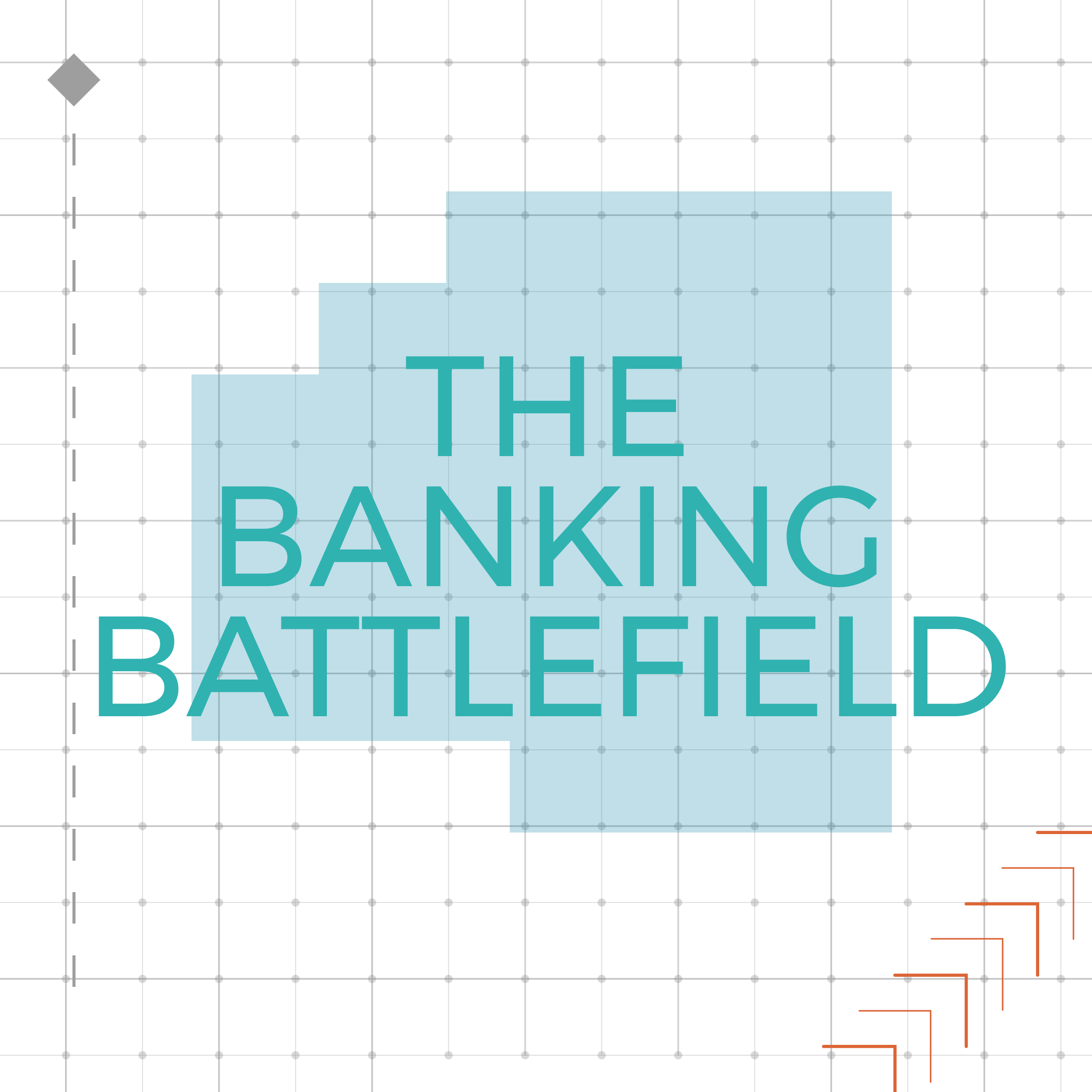
Banking Battlefield: Winning the War For Customers
Over the last two years we have kept coming back to one diagram, the 11:FS Banking Battlefield. We use this to explain the changes we see in the financial services industry. In fact, one particular workshop we did in Australia last year had us talking through this diagram for the entire day! Seriously. It also featured in three bank board packs in the last 6 months which is also a pretty good indication we’re onto something.

302
302. Insights: Women in financial services
It's International Women's Day and we have a show packed full of content and views from some great women working in financial services today.

87
87. Forked off
We. Are. Here. Today we bring you: Thailand approves some cryptocurrencies, FaceCoin and Nivaura raise $20m

301
301. News: Not cashless but less cash
David and Sarah are joined by some great guests to talk about some of the most interesting stories of the last 7 days. Including: We take a look at the fallout of the RBS Remedies fund pool A results, Goldman Sachs takes a bite out of the credit card market by teaming up with Apple and Lithuania reveals its' Top Gear-inspired strategy to become a fintech hub
300
300. Insights: This. Is. Fintech.
It's our 300th episode! That calls for something a little bit special so we have a roundtable of our hosts plus the person who's the reason Fintech Insider exists.
86
86. Too legit to quit
We. Are. Here. Today we bring you: Brazilian Bank embrace crypto, a European exchange giant is jumping on the crypto bandwagon and XRP the STD...finally!

299
299. News: Buzzwords for everyone
David and Simon are joined by Tom Blomfield and Romi Savova to talk about some of the most interesting stories of the last 7 days. Including: Britain's banks predicted to reveal the biggest profits since the financial crisis, the latest announcements from the RBS Remedies fund and Santander pays IBM $700M to help them transform.
298
298. Insights: The future of cloud
Sam Maule spoke to an incredible list of guests in this bumper episode to explore the far-reaching effects of Cloud for business.
85
85. JP Morgan do a coin
We. Are. Here. Today we bring you: JP Morgan do a coin, JP Morgan do a coin and JP Morgan do a coin. We have some other stories too.

34
34. News: Netflix for insurance
Sarah and Nigel are talking about the news this week including: Netflix for insurance, Insurtech in America and AI tackling insurance fraud.
Bonus: The future of interoperability
We. Are. Here. At Barclays Rise for the ION Hackathon. Clearmatics are doing a special bonus episode with us covering the day's events. We've got a bumper pack of interviews for you including conversations with some of the hackathon teams, including some very youthful competitors.
297
297. News: Talking poop
We're switching things up a bit for this episode, our US host Sam Maule was in the UK with fellow Americans (and American experts) Teana Baker-Taylor, Alexa Fernandez, Joaquin Ayuso de Paul and Mark Miesner to go over the best US stories of the past week. We bring you: The latest developments in the BB&T and Suntrust super-merger, Chime rings the changes as 10k new users sign up in 24hrs and Mastercard’s new sonic identity that’s going on tour.
296
296. After Dark: Digital Love
We have an incredible After Dark episode for you. It's the first we've done in a while and sets the tone for what we believe will be the key aspects of fintech in 2019. Partnerships and digital love between banks and fintechs, two (or more!) companies coming together and working together to make each other stronger.
84
84. Does anyone need a blockchain?
We. Are. Here. Today we bring you: Dormant funds, the SEC still won’t let crypto be and do you really need a blockchain?
295
295. News: The Revolut will be advertised
David and Simon are joined by Iona Bain, Mel Palmer, Viktor Nebehaj and Saumeel Pachigar to chat through the biggest stories of the last 7 days. Including: Revolut’s Valentine’s day ad scandal, the banking backlash Down Under and BB&T's super merger and much much more.

294
294. Insights: Money and Mental Health
Sarah Kocianski's joined by some of the people involved in the heart of Money and Mental Health awareness, education and support. They are looking for solutions to the very real problems that the subject of money can cause when it comes to people’s mental health.
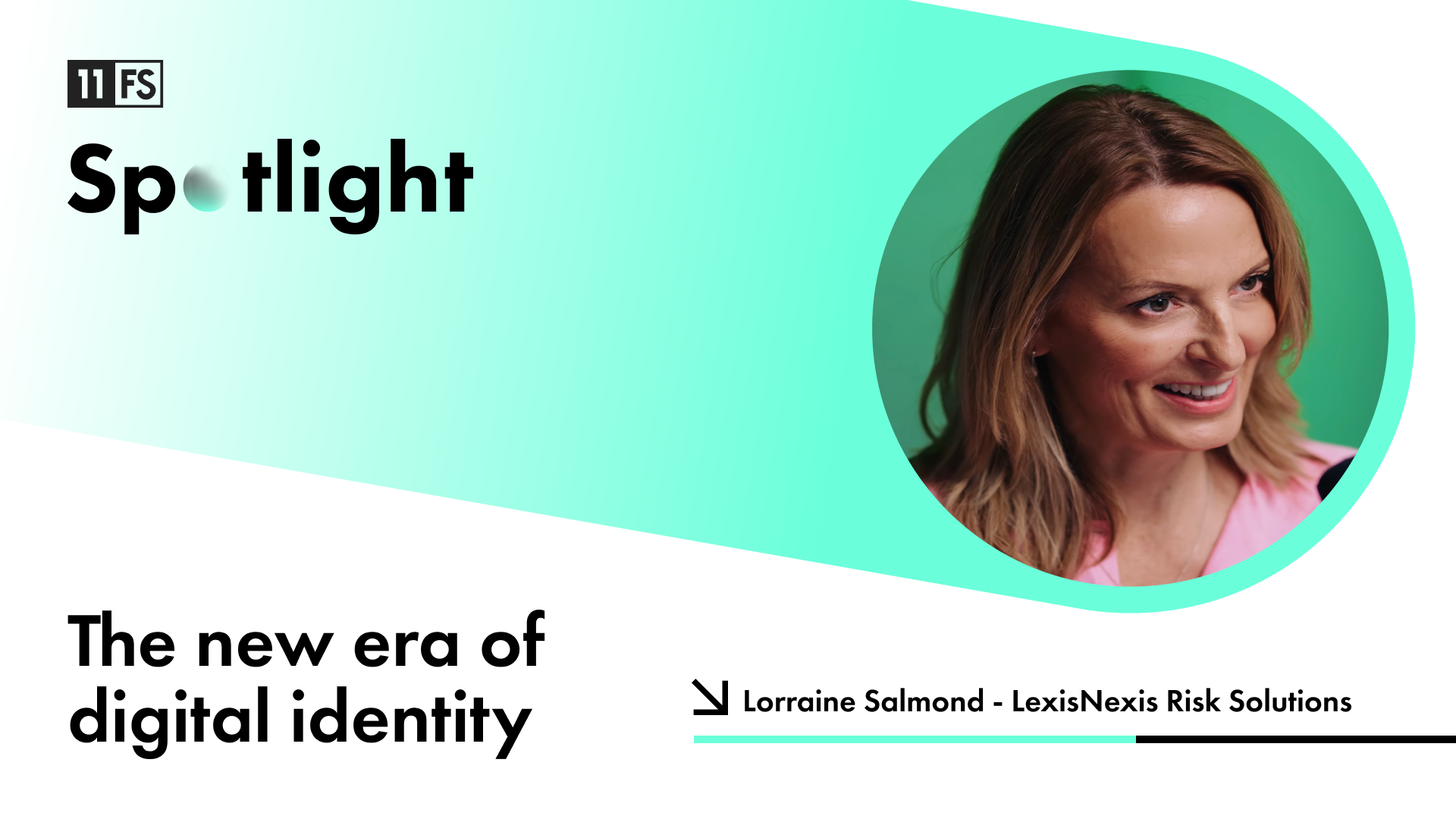
Banks are losing the loyalty game | 11:FS Explores
Hey, banks! This might sting a bit. You’re getting loyalty all wrong - and it’s costing you customers. But all is not lost!

3 ways AI is shaking up UX in financial services | 11:FS Explores
The entire world is buzzing about AI, and that ain't changing anytime soon. But as AI becomes more integrated into our daily lives, what impact will it have on financial services and how people interact with them?
Using Jobs to be Done to revolutionise SME Banking | 11:FS Explores
It's not just a buzzword.





What are fintechs? - Decoding: Banks
Ever wanted to know what’s going on behind the scenes every time we make a payment?

How does banking regulation work? - Decoding: Banks
Regulation is essential. It stops banks from going bust or behaving badly.

How has software evolution influenced banking? - Decoding: Banks
The invention of the computer revolutionised banking in the 1950s.

How does lending work? - Decoding: Banks
Lending has been around for thousands of years and is one of the cornerstones of banking.

How can traditional banks win on the banking battlefield? - Decoding: Banks
They're down, but they're not certainly not out.

How do card networks operate? - Decoding: Banks
Mastercard and Visa are the two biggest credit card networks in the world.

How has the banking battlefield evolved? - Decoding: Banks
We kick off our Decoding: Banks series with a look at the banking landscape today and how we got here.

960
Insights: The future of Revolut with UKCEO Francesca Carlesi
The UK banking battlefield has never been more competitive. Customers expectfinancial apps that are personalised, seamless, and that genuinely make a differenc...
960
Insights: The future of Revolut with UKCEO Francesca Carlesi
960
Insights: The future of Revolut with UKCEO Francesca Carlesi
The UK banking battlefield has never been more competitive. Customers expectfinancial apps that are personalised, seamless, and that genuinely make a differenc...
960
Insights: The future of Revolut with UKCEO Francesca Carlesi
960
Insights: The future of Revolut with UKCEO Francesca Carlesi