Content Hub
.svg)
.svg)
Global

Why Finn By Chase Won't Spark A Banking Revolution
Chase ’s digital-only bank, Finn, launched nationwide in the U.S. a few weeks ago, to piqued interest from fintechs and banks alike. It’s by no means the country’s first digital only bank—Ally and Simple have been around for years—but it has won the race to be the first nationwide digital brand from the United States’ banking giants. (Citi has plans to launch a “national digital bank” soon, while Wells Fargo’s Greenhouse is due to come out of beta in the near future.)

Crypto is dead: Why did the world's most famous VC just bet big on it?
When the world’s most famous VC firms move you should pay attention. a16z is the firm most synonymous with Silicon Valley, big tech and venture capital. Now they’re coming to crypto with a $300m Fund. If crypto is dead, then maybe now crypto is much much more interesting than it was 6 months ago. After the winter comes the spring…

Zimbabwe suffers EcoCash Crash
You can catch the full Fintech Insider discussion on the news today at 4pm on the podcast here (go subscribe now). This week we had a great show: Simon Taylor and Sarah Kocianski sit down with our guests Editor in Chief of Computer Weekly, Bryan Glick, Business Development at Bud, Nina Mohanty, and 11:FS Pulse Analyst, James Safford to discuss all things fintech.For our deep dive this week, we’re taking a closer look at what happened in Zimbabwe after EcoCash suffered a two-day crash; effectively stopping all payments for the nation.

What's in a Sandbox?
For those of you in a rush, there’s a TL;DR at the bottom of the page. For everyone else 11:FS Co-Founder Simon Taylor, has written a great deep dive for you into the regulatory sandbox: why it’s necessary, what it is, what it’s achieved so far, and most importantly a close look at the fourth cohort.

Digital Banking is only 1% Finished, Seriously
In this weeks’ Fintech Insider we have an interview with author, CEO, blogger, and fintech insight extraordinaire, Chris Skinner! We grabbed Chris and took him to the pub for a drink and a quick conversation on his new book Digital Human. Listen to the interviews in full on Fintech Insider here, stream it below or read on for a few key insights.

Reimagining Processes and Culture in Business
In my entire career to-date, I never heard a vendor describe themselves as simply a vendor. We do a thing, you pay for the thing, we shake hands and go our separate ways.

What happened to gamification?
As we emerged from lockdown(s) and started meeting in person, banks, fintechs and FS companies of all shapes and sizes had been busy doubling down on their digital efforts.

Machine Learning: Discover Your Problems Before They Happen
We knew we had to pull out all the stops for the first IRL After Dark since records began. Well, March 2020.

FCA Sandbox leads regulation
As Policy Director of the Financial Conduct Authority, David Geale is responsible for policy across financial services, from consumer credit through to senior exec accountability in banks, and many things in between. He spoke to FinTech Insider about the FCA’s focus on innovation.

One Fintech Nation: Bringing the Nation Together - The Network Effect
It’s week 3 of our One Fintech Nation series in association with Tech Nation. Here’s a quick review of our latest incredible podcast episode looking at how Fintech is a force for good. As you’ve seen in recent posts on fintech inclusion it’s an issue close to our hearts here at 11:FS. You can/should/need/have to listen to it now.

The biggest problem of all, is not knowing what it is
Traditionally, tech teams place their QA function outside of core development. They form entire herds of QA people that come at the end of a feature being developed and do what they can. Most of the time they’re not even based on the same floor, or they’re outsourced entirely. But why is this?

Jobs to be done: Commoditised products have no purpose
This is the fourth instalment of a 6 part series that explores the Jobs to be Done (JTBD) for US SMBs that we identified in our recent research. Each blog post explores one of the jobs and how we examined it with a JTBD canvas. If you missed the first post that explains JTBD and the canvas, check it out before reading this.

11 Biggest Fintech Stories of Q2 2018
There’s a sweltering heat wave hitting the city and I’ve never been so thankful for the office air conditioning. We’ve just entered July, everyone’s moving onto their Q3 targets and writing reports on Q2. So what happened in Q2 for the fintech world? And where are we about to go for Q3? I take a look at the 11 biggest stories that happened in fintech over the last three months.

The problem with SMB finance is…everything
China has long been on the radar of those with ambitions of marrying technological innovation with a payments-savvy population of big spenders. Traditionally, though, China’s economy had been centrally-planned, driven by investment and built around large state-owned enterprises (SOE). Banks had focused mainly on providing services for these SOEs, under-serving SME and retail consumers. So, naturally, with Alibaba and Tencent so successfully serving other areas – e-commerce and social media respectively – it should come as no surprise that they’ve found themselves filling this vacuum.

Amazon teams up with American Express for SMBs
You can catch the full Fintech Insider take on the news today at 4pm on the podcast here. Sticking to our Monday news blog format, we’re going to take a close look at one of the most interesting stories of the week’s show. For analysis straight from industry experts subscribe to our podcast! Fintech Insider host and 11:FS co-founder Simon Taylor sits down with Freddy Kelly, Veronique Barbosa, Tanya Andreasyan, and Philip Clarke to discuss the news, including Amazon teaming up with American Express for SMBs.
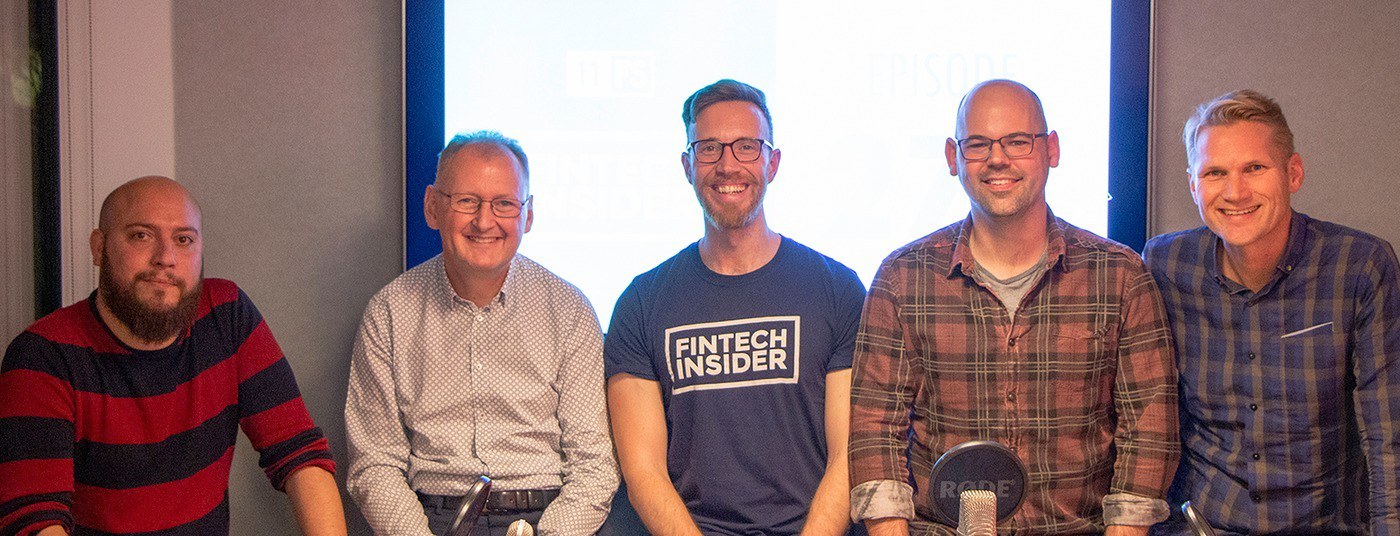
277
277. News: Sons of Breaches
On this week's episode, Simon and Ryan sit down with Menno van Leeuwen, Guy Stiebel and Paul Stamper to discuss the latest and greatest news in fintech.
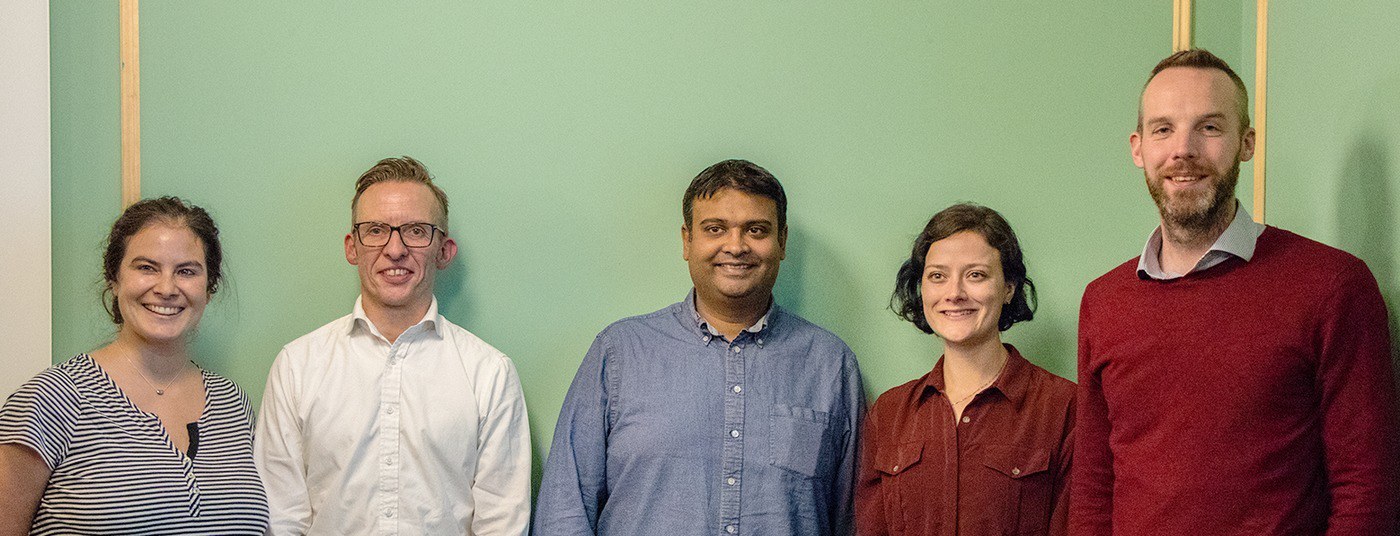
276
276. Insights. Regtech: where innovation meets compliance
Sarah's hosting a great roundtable with some of the best experts on regtech to find out what matters most in the space and how technology is changing regulation.
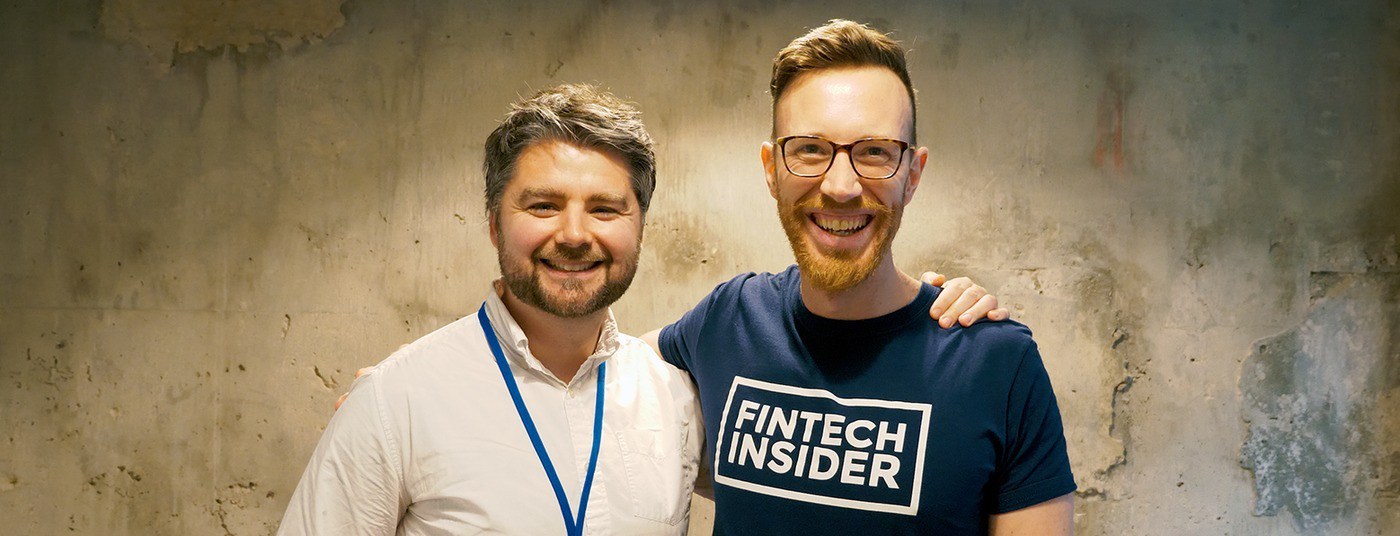
75
75. Breaks the laws of the universe
We. Are. Here. Simon's joined by our great guest Anthony Macey to discuss the latest and greatest news in blockchain.
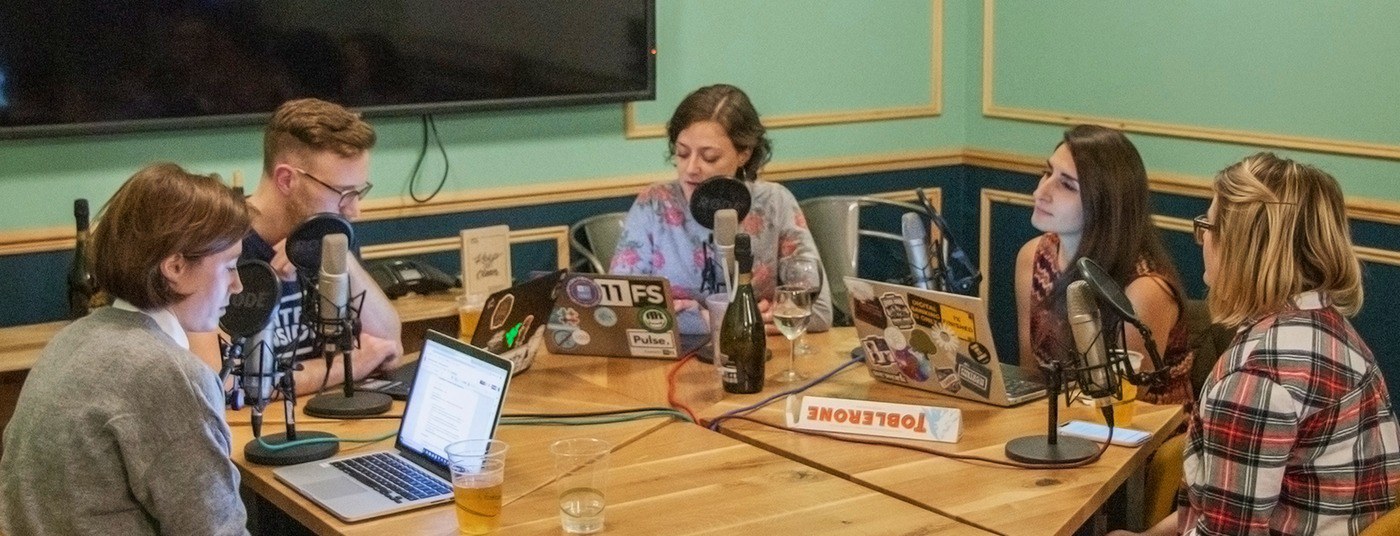
275
275. News: Ritual Humiliation
On this week's episode, Sarah and Simon sit down with Emily Nicolle, Valentina Kristensen and Sophie Winwood to discuss the latest and greatest news in fintech.
274
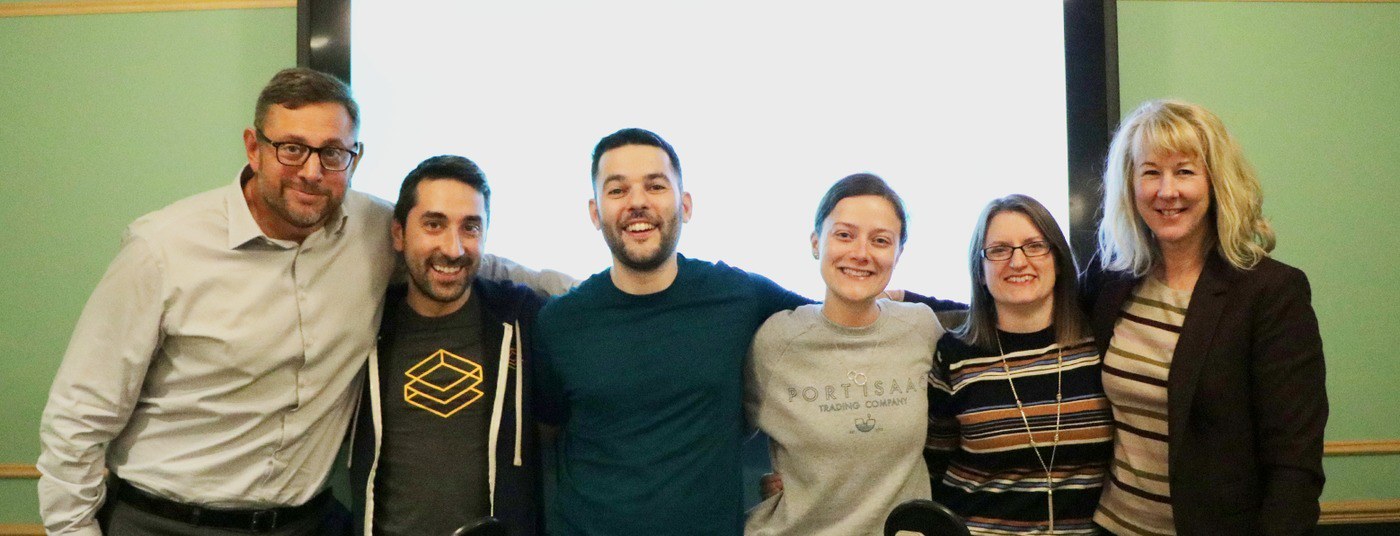
274. Insights: Open Banking - a never ending story?
Sarah's hosting a great roundtable with some of the people at the heart of Open Banking to find out what's been going on in the space since its launch in January 2018.
74
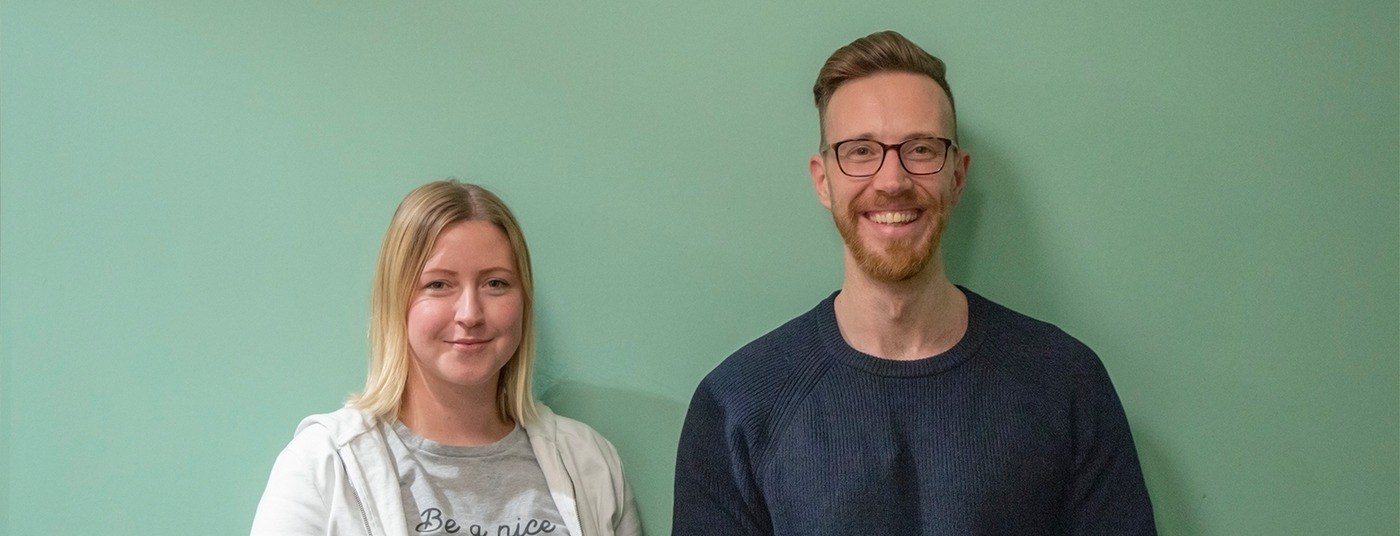
74. Enterprise-grade toddlers
We. Are. Here. Simon's joined by Sara to discuss the latest and greatest news in blockchain.

29
Insurtech Insider Episode 29: Partnerships
On the latest episode of Insurtech Insider, Sarah and Nigel sit down with Arslan Hannani and Tim Attia to discuss insurtechs and incumbents partnering together.
273
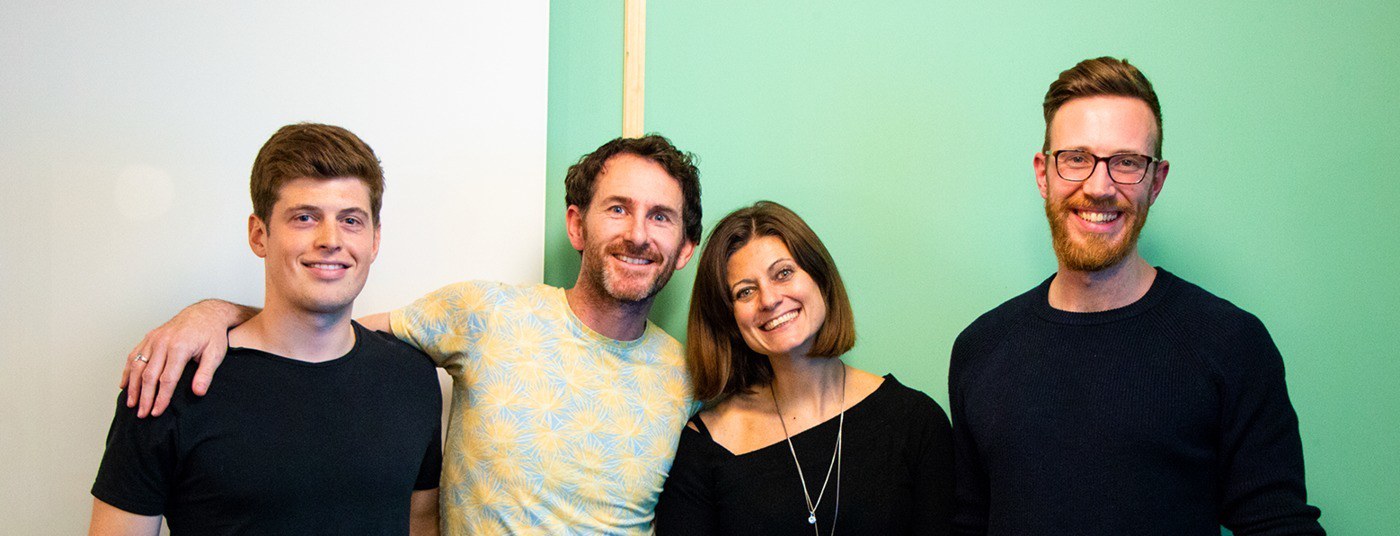
273. News: The zombie account scenario
On this week's episode, Simon and Leda sit down with Dave Cunningham and Ryan Weeks to discuss the latest and greatest news in fintech.
272
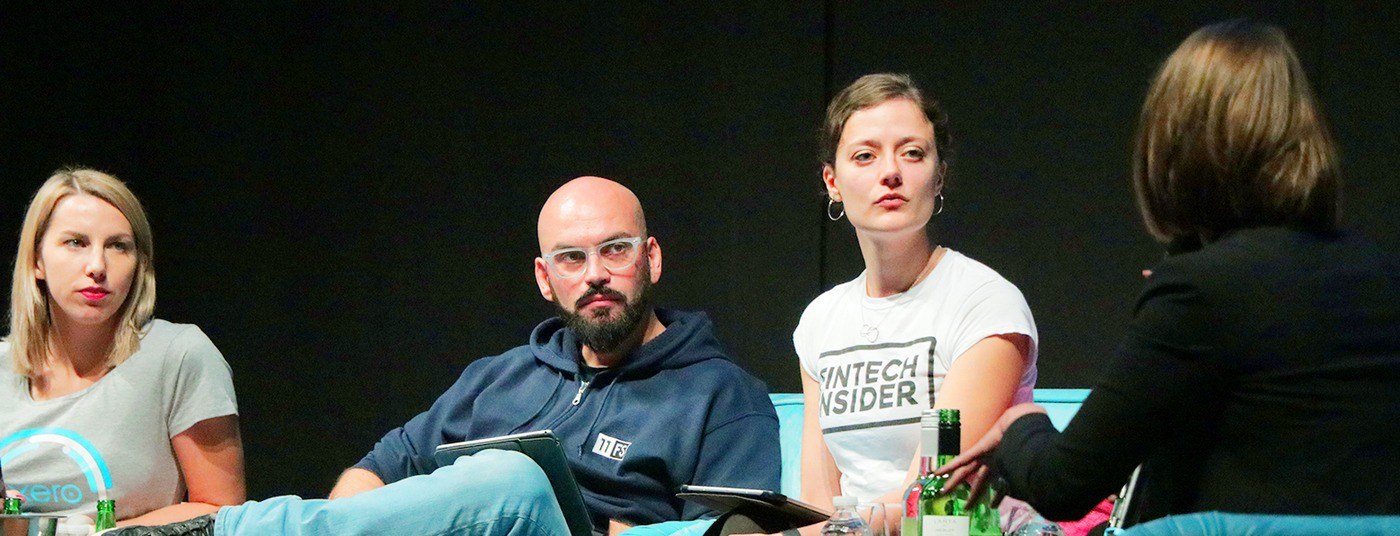
272. Insights: Live! From Xerocon 2018
David and Sarah bring you this very special bumper episode, recorded live at Xerocon 2018 at the Excel Centre in London. We have some of the best guests in the space, an array of interviews and a special edition of Fintech Insider Live.
73
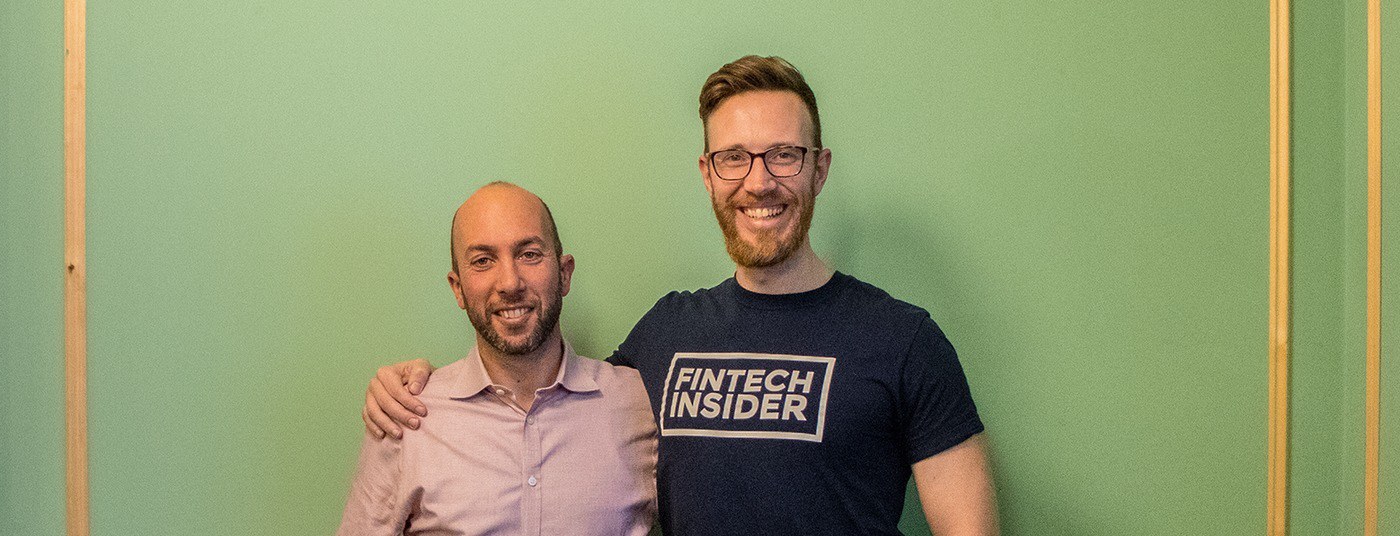
73. The SEC won't let crypto be
We. Are. Here. Simon's joined by great guest, Adi Ben Ari to discuss the latest and greatest news in blockchain.

270
270. Insights: Wealth Roundtable
On this week's insights episode, Simon and Sarah sit down with a roundtable of great guests to talk all about wealth and the new models and products emerging in the space.
72
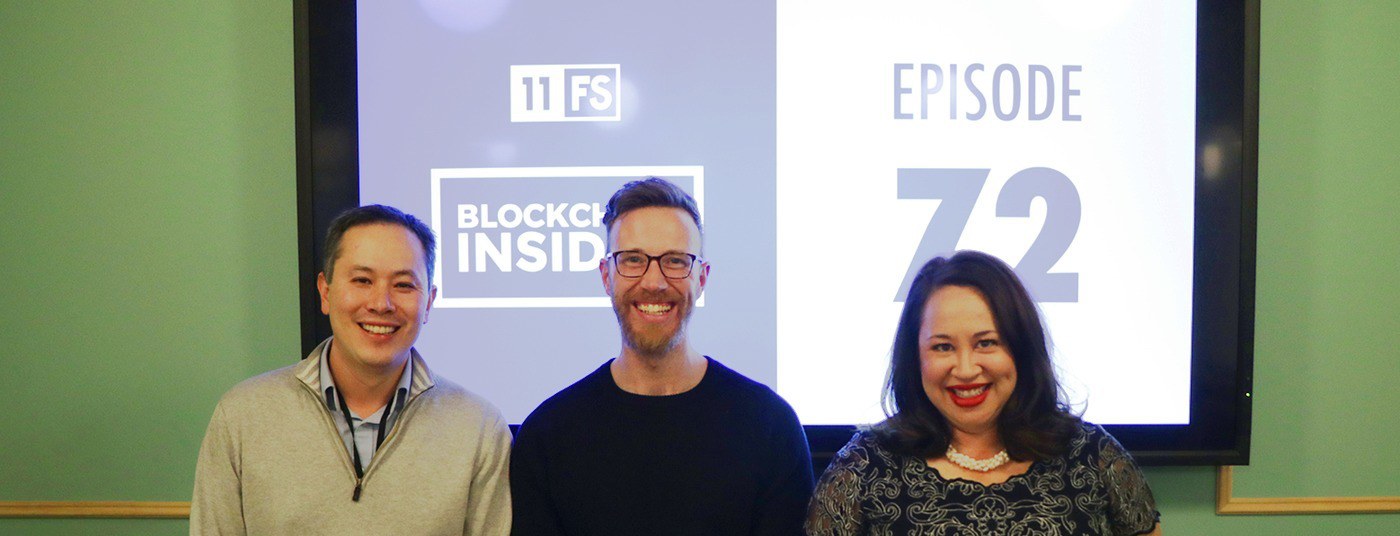
72. The code you write has consequences
We. Are. Here. Simon's joined by great guests, Teana Baker-Taylor and Patrick Mang to discuss the latest and greatest news in blockchain.
28
Insurtech Insider Episode 28: Sports Insurance and the news
On the latest episode of Insurtech Insider, Sarah and Nigel sit down with Tobias Taupitz to discuss all things sports insurance and take a look at the news.
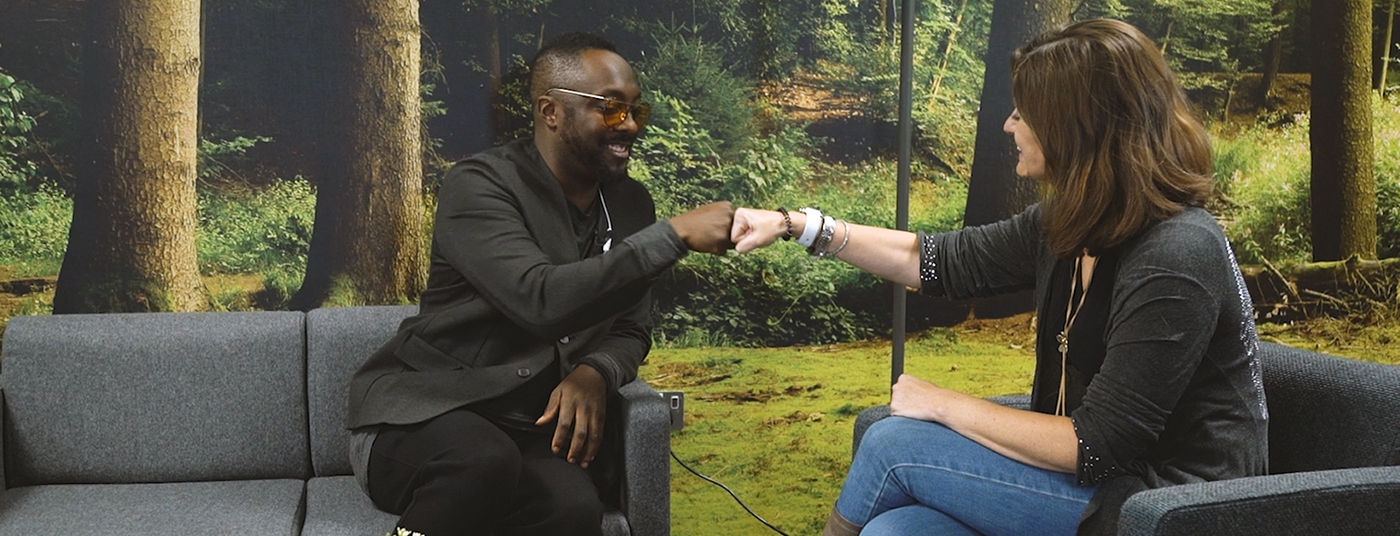
Bonus: will.i.am and Atom...Boom Boom Pow!
David promised you will.i.am on the podcast before the end of 2018 back in April 2017. On this very special bonus episode of Fintech Insider, we deliver and with just over a month to spare.
269
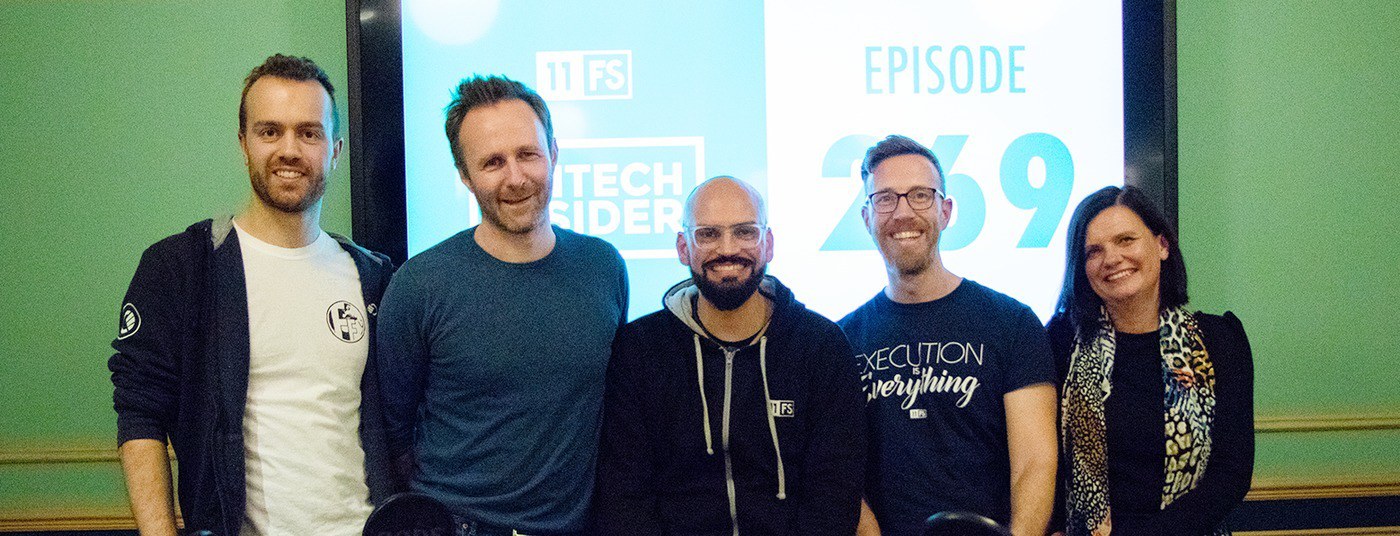
269. News: Mi data, su data
On this week's episode, David Simon and Jason sit down with Sigridur Sigurdardottir and Ali Paterson to discuss the latest and greatest news in fintech.
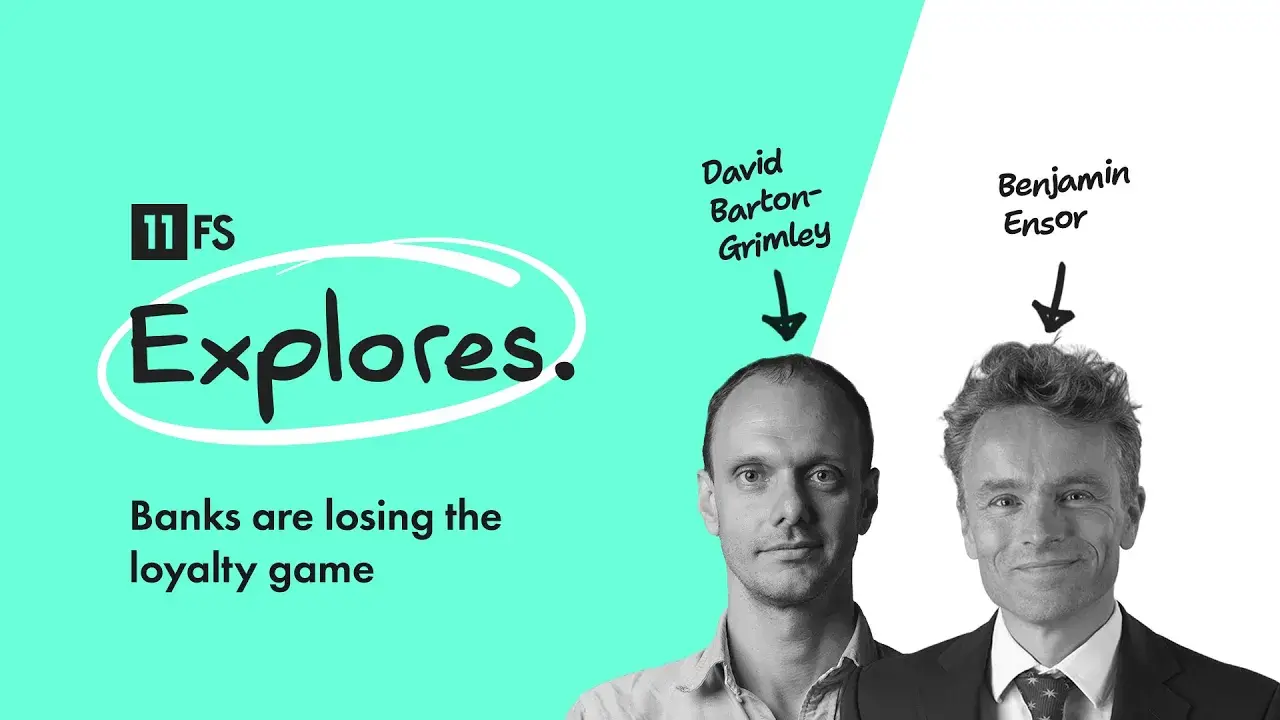
Banks are losing the loyalty game | 11:FS Explores
Hey, banks! This might sting a bit. You’re getting loyalty all wrong - and it’s costing you customers. But all is not lost!
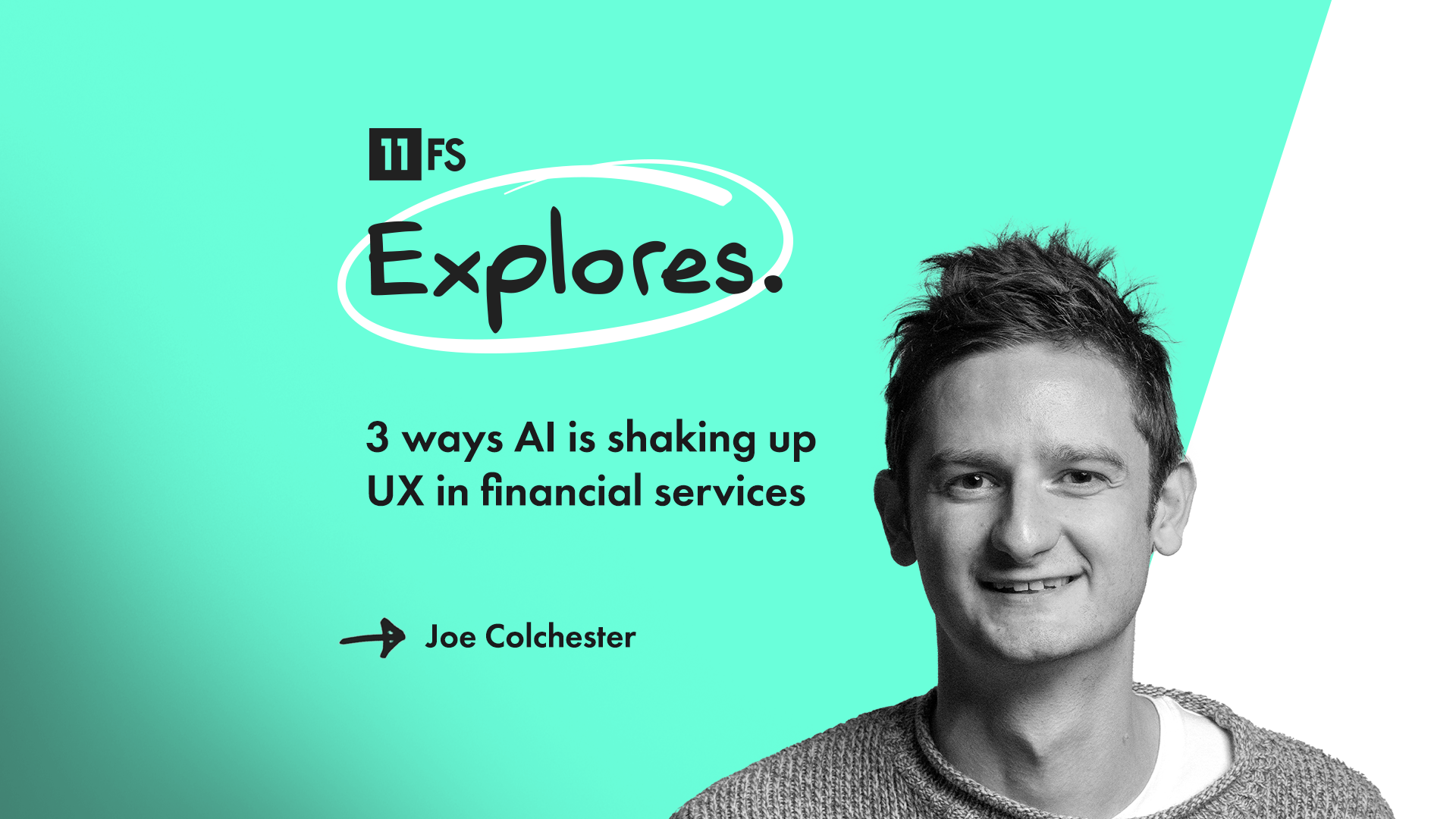
3 ways AI is shaking up UX in financial services | 11:FS Explores
The entire world is buzzing about AI, and that ain't changing anytime soon. But as AI becomes more integrated into our daily lives, what impact will it have on financial services and how people interact with them?
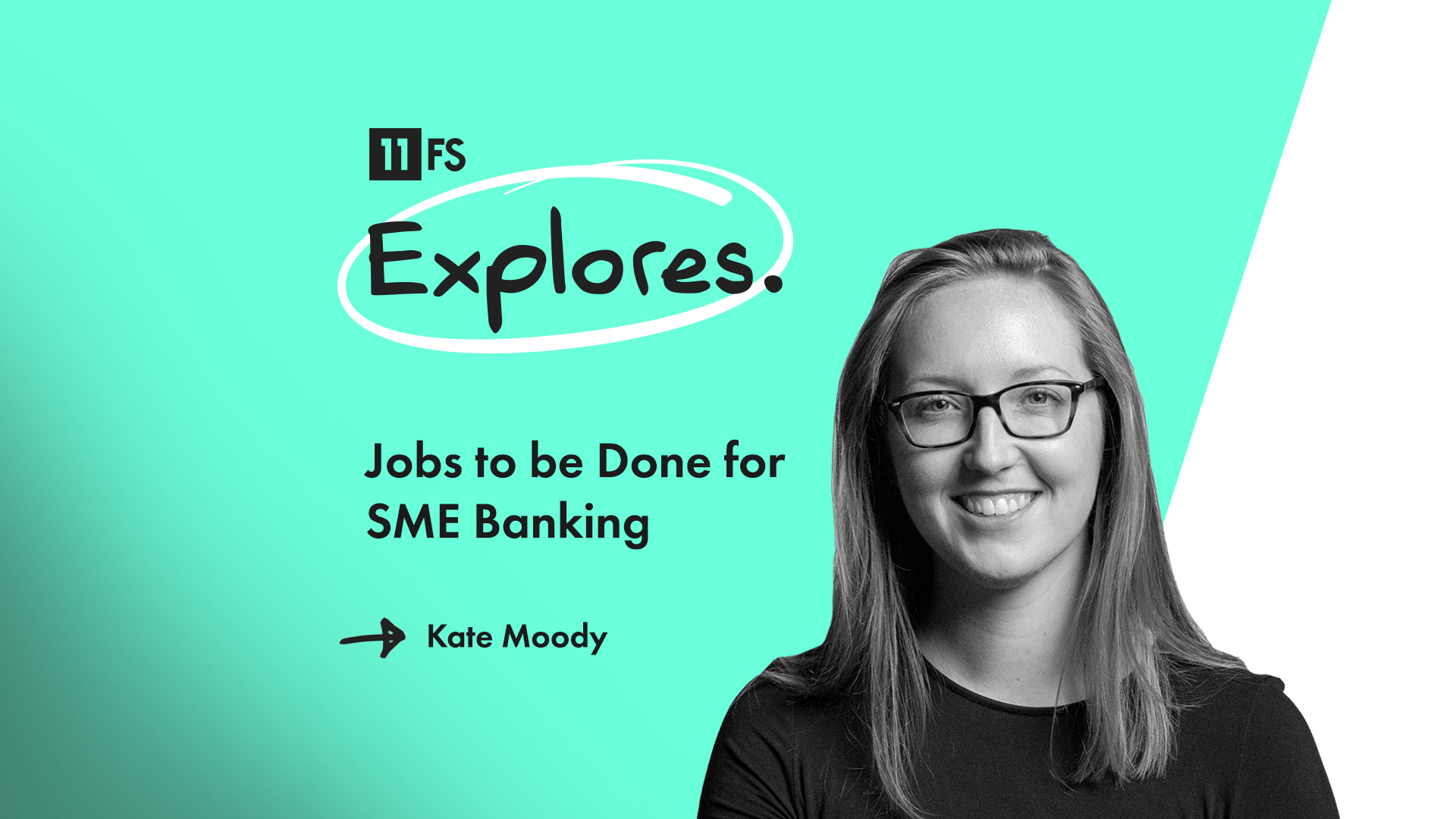
Using Jobs to be Done to revolutionise SME Banking | 11:FS Explores
It's not just a buzzword.
What are fintechs? - Decoding: Banks
Ever wanted to know what’s going on behind the scenes every time we make a payment?

How does banking regulation work? - Decoding: Banks
Regulation is essential. It stops banks from going bust or behaving badly.
How has software evolution influenced banking? - Decoding: Banks
The invention of the computer revolutionised banking in the 1950s.

How does lending work? - Decoding: Banks
Lending has been around for thousands of years and is one of the cornerstones of banking.
How can traditional banks win on the banking battlefield? - Decoding: Banks
They're down, but they're not certainly not out.
How do card networks operate? - Decoding: Banks
Mastercard and Visa are the two biggest credit card networks in the world.
How has the banking battlefield evolved? - Decoding: Banks
We kick off our Decoding: Banks series with a look at the banking landscape today and how we got here.

960
Insights: The future of Revolut with UKCEO Francesca Carlesi
The UK banking battlefield has never been more competitive. Customers expectfinancial apps that are personalised, seamless, and that genuinely make a differenc...
960
Insights: The future of Revolut with UKCEO Francesca Carlesi
960
Insights: The future of Revolut with UKCEO Francesca Carlesi
The UK banking battlefield has never been more competitive. Customers expectfinancial apps that are personalised, seamless, and that genuinely make a differenc...
960
Insights: The future of Revolut with UKCEO Francesca Carlesi
960
Insights: The future of Revolut with UKCEO Francesca Carlesi