Content Hub
.svg)
.svg)
Banking

Digital Banking is only 1% Finished, Seriously
In this weeks’ Fintech Insider we have an interview with author, CEO, blogger, and fintech insight extraordinaire, Chris Skinner! We grabbed Chris and took him to the pub for a drink and a quick conversation on his new book Digital Human. Listen to the interviews in full on Fintech Insider here, stream it below or read on for a few key insights.

The biggest problem of all, is not knowing what it is
Traditionally, tech teams place their QA function outside of core development. They form entire herds of QA people that come at the end of a feature being developed and do what they can. Most of the time they’re not even based on the same floor, or they’re outsourced entirely. But why is this?

The problem with SMB finance is…everything
China has long been on the radar of those with ambitions of marrying technological innovation with a payments-savvy population of big spenders. Traditionally, though, China’s economy had been centrally-planned, driven by investment and built around large state-owned enterprises (SOE). Banks had focused mainly on providing services for these SOEs, under-serving SME and retail consumers. So, naturally, with Alibaba and Tencent so successfully serving other areas – e-commerce and social media respectively – it should come as no surprise that they’ve found themselves filling this vacuum.

Spanx and the core issues with digitization – part 2
Sports people make better business people. There, I said it. I’ve said it before so you shouldn't be too surprised at this point but I honestly believe in this statement.

Spanx and the Core Issues with Digitization - Part 1
I love the Showtime drama series Billions. It gets two big thumbs up from me and I highly recommend binge-watching the series. You'll thank me later.I recently finished season 3 of the program and I actually burst out laughing during the beginning of the show. Real-life celebrities and billionaires are a constant staple of the series. Past guests have included Mark Cuban, Maria Sharapova, and even my beloved Metallica. But what made me chuckle was the brief appearance of Sara Blakely playing, well, herself.And why not? She's a self-made billionaire and founder of Spanx as I detailed in my first blog post on the commonalities between the Spanx product and the digitization of financial services. Seeing her pop up on my screen while watching the season finale prompted me to sit down and write part 2 of this blog post.
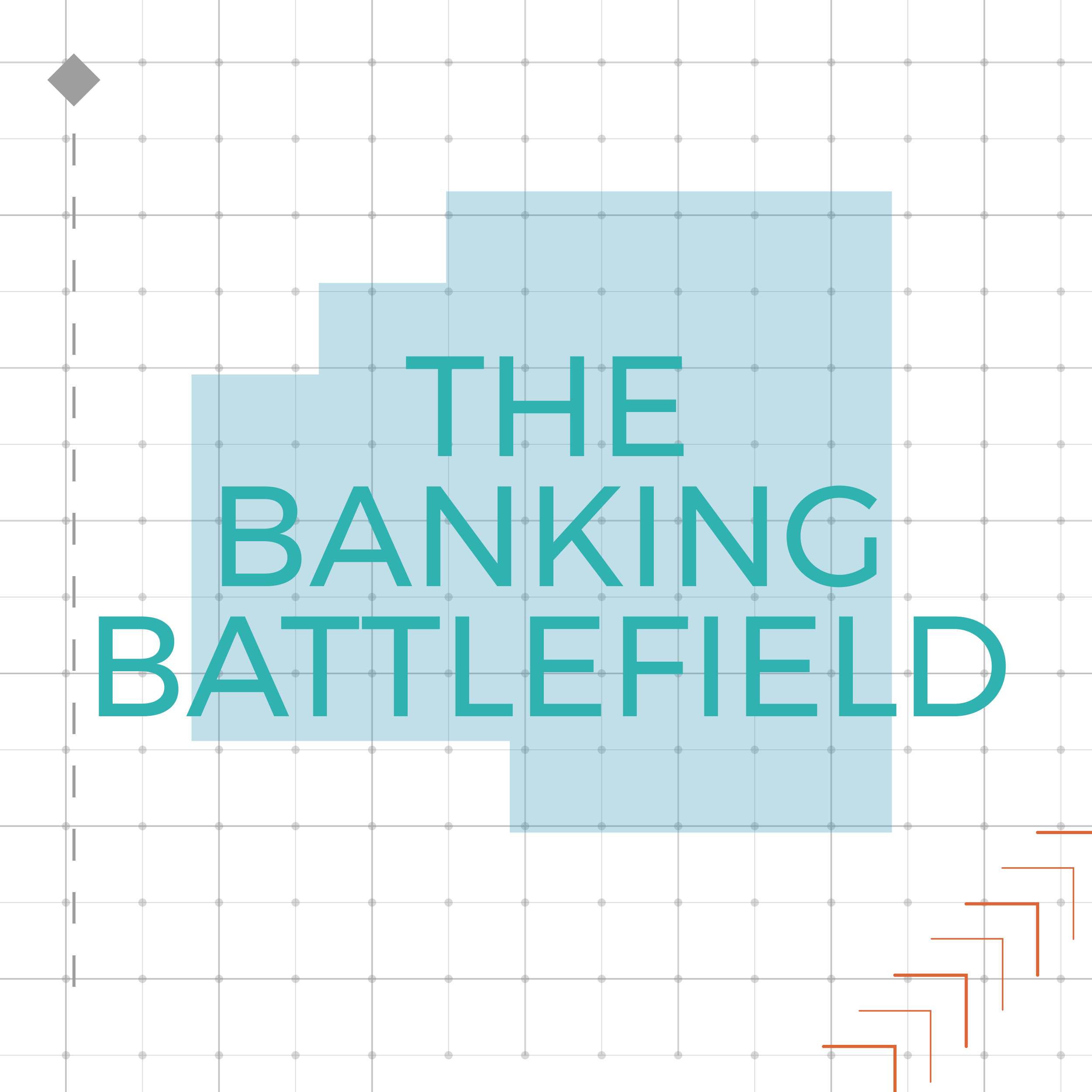
Banking Battlefield: Winning the War For Customers
Over the last two years we have kept coming back to one diagram, the 11:FS Banking Battlefield. We use this to explain the changes we see in the financial services industry. In fact, one particular workshop we did in Australia last year had us talking through this diagram for the entire day! Seriously. It also featured in three bank board packs in the last 6 months which is also a pretty good indication we’re onto something.

Innovation Lab Theater: No Room For Thought
I think we’re all agreed that innovation is crucial to the continuing success of any organisation. But what does innovation really mean?

Digitisation, Digitalisation and Being Truly Digital
This year we’ve made a true commitment to double down on our D&I efforts across 11:FS, starting with a company-wide discovery phase led by Elysian, looking into the current makeup of the business and piloting a survey to dive deeper into the thoughts and opinions of our Elevens. 💭

HSBC Group COO, Andy Maguire Explains Why Fintech is the Future of Banking
Despite attempts to portray the opposite, traditional financial organisations are struggling to innovate. In fact in many cases they are having to spend a fortune simply to stand still. As we highlighted in our recent report, this is due to three principal reasons:

The Cult of the Legacy Core Banking System Migration
Omnichannel is the king of the buzzwords in retail banking. It’s the idea that “customers should receive a consistent seamless service across all channels.” In this utopia the branch, phone, web, and mobile app all come together as one. But if you’re a fan of omnichannel, you might want to sit down, because I’ve got some bad news.

Microsoft Partners with 11:FS
Simon Taylor interviewed Mike Kelly, CEO and founder of Curl for Fintech Insider, a new payments network. They discuss Curl’s origin story, their payments network and how Open Banking is going to make a huge difference. Listen to the interview in full on the podcast here or stream it below or catch the highlights on YouTube.

Undercover report: Why Open Banking APIs might be stifling competition in the UK
What’s the first thing that comes to mind when you hear ‘crypto’? Maybe you were one of the first to jump aboard the crypto train and believe it will be the cornerstone of our financial future, or maybe you think it’s all a sham and run a mile when you hear someone say “bitcoin”.
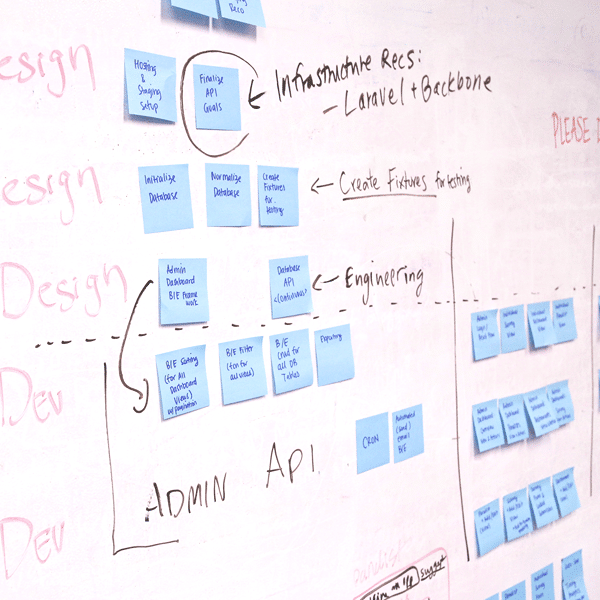
Risk management for agile and ecosystems
Jason Bates interviewed Ritu Liu, Head of EMEA at Alipay at Money20/20 Europe. They spoke about Alipay’s European expansion and her view of Chinese advancements in fintech that are influencing the rest of the world.

Amber Baldet on Quorum, JPMorgan and when to use a blockchain
While at Money 20/20 in Las Vegas, Sam Maule, our Managing Partner of 11FS North America caught up with Amber Baldet, an Executive Director at JP Morgan, and the Programme Lead for Blockchain Centre of Excellence.

Leading Agile at Scale
At 11:FS we’re always looking to get young people into fintech. We want to recruit the new wave of young people coming in to the market who want to get ahead. Part of that is our internship programme. But we also take on young people looking for work experience, whether it’s to get a taste of the industry they love or to try something new.Lucy was at 11:FS recently for two days, working in our marketing department and getting to grips with what fintech really means. We asked her a few questions to see what she got out of the experience.

648
648. News: Starling pulls back from Ireland while Stori becomes Mexico's latest fintech unicorn
Kate Moody and Amy Gavin are joined by some great guests to talk about the most interesting stories in financial services over the last 7 days, including: Starling pulls Irish bank application, Stori becomes Mexico’s latest fintech unicorn, and ‘Eat The Rich’ popsicles are selling fast!

Decoding: Banking as a Service - Episode 1
Welcome to episode 1 of our new video series, Decoding: Banking as a Service!
960
Insights: The future of Revolut with UKCEO Francesca Carlesi
The UK banking battlefield has never been more competitive. Customers expectfinancial apps that are personalised, seamless, and that genuinely make a differenc...
960
Insights: The future of Revolut with UKCEO Francesca Carlesi
960
Insights: The future of Revolut with UKCEO Francesca Carlesi
The UK banking battlefield has never been more competitive. Customers expectfinancial apps that are personalised, seamless, and that genuinely make a differenc...
960
Insights: The future of Revolut with UKCEO Francesca Carlesi
960
Insights: The future of Revolut with UKCEO Francesca Carlesi