Content Hub
.svg)
.svg)
Banking

What do we want banking to look like in 2020?
In her latest column for Forbes, 11:FS Head of Research Sarah Kocianski analyses Chime's recent outages and challengers' reliance on third-party processors.

The UK election: what's the result for banking and fintech?
With the industry evolving rapidly around us, there’s little room for anyone who isn’t able to change at pace. A six month old greenfield codebase will be brown before you know it. You must be able to move quickly.

Barclays UK CEO On The Exciting Challenges of Today
From dreams of running a five-star hotel to the reality of running a five-star bank, Ashok Vaswani, the CEO of Barclays UK, speaks with Simon Taylor about culture, digital transformation challenges and opportunities, front line staff empowerment and how Simon might be able to buy a Lamborghini in the future.

The Race is On: How 3 Challenger Banks Plan to Win Customers (and Make Money)
This post appeared first in The Times and Raconteur in the UK in June 2016. Until the financial crisis banks had enjoyed decades of growth unencumbered by the disruption seen in the newspaper, telecommunications and music industries. During the good years banks’ profits soared and, while they embraced customer-facing internet and mobile apps, the foundations, processes and technology on which banks are built, despite billions spent on technology, would look familiar to those who worked there in the 1970s. UK banks now face the perfect storm of significant technological advancements plus a regulator and government that want to foster innovation, and an ever-growing disillusionment of banking customers to banks’ offerings.

How WeChat Used Viral Promotion to Become a Financial Services Instrument
It may not have escaped your attention that the British Public voted to leave the EU. Although in the aftermath it’s still unclear quite what that actually means, this morning bank shares have taken a significant hit with Lloyds off 8%, Barclays 10% and RBS down 15% leading the LSE to halt trading in those stocks. There are a number of theories about what happens next. Are people concerned about retail banking operations, corporate banking, investment banking or all of the above? Here are some ideas.

6 Ways to Transform Your Bank – without Spending Billions
Spending billions on digital transformation – and bragging about it – seems to be the only game in town for large incumbent banks. But this spending hasn’t paid off, and financial institutions continue to battle a heavy fixed-cost base. You know digital transformation is critical, so how do you convince an incumbent bank’s CFO and CxOs that digital transformation doesn’t have to cost billions or take decades?
The First 5 Steps to Transform Your Bank
In the past decade, the banking industry has seen an incredible amount of innovation and disruption. New entrants like Monzo in the UK and Nubank in Latin America are finally taking on the incumbents that, for decades, were impossible to challenge.

UK Banking: How Are You Sleeping?
The UK’s digital-only challenger banks are currently engaged in something of an arms race to offer customers the broadest range of features and services. Hot on the heels of joint accounts, coming soon from both Monzo and Starling, came Monzo’s announcement that its customers can now use TransferWise within the bank’s app to send money abroad.

Banking APIs Aren't about Tech or Banking
I’m sure that you’ve seen the same presentations that I have. An expert from a large consultancy stands up and his first slide says “API stands for Application Programming Interface”. He continues with a description of new regulations (PSDII / CMA) and describes the technology that will let customers give third parties to access their banking data and trigger new transactions. That’s all true, but it’s a mistake to start there, it leads in the wrong direction.

Monzo: A Peek inside the Playbook of the World's First Truly Digital Bank
Fintechs can’t hire product marketers quick enough at the moment. If you’re new to the marketing game and looking to become a specialist rather than a generalist, then it’s probably one of the most interesting areas to specialise in right now.
Garanti: The banking app that isn't on your radar
For Season 2 of Connection Interrupted we’re kicking off in style with a super star of media, social media, podcasting and much much more: Gary Vaynerchuk! I had the pleasure of meeting Gary at the Vaynermedia offices in NYC with one mission: to try and get to know him, to find out who the real Gary is behind brand Gary V: the man who loves his family (and the Jets). Listen to the episode here or below and read on for my personal highlights.
11 Banks and FinTechs Doing APIs Better Than You
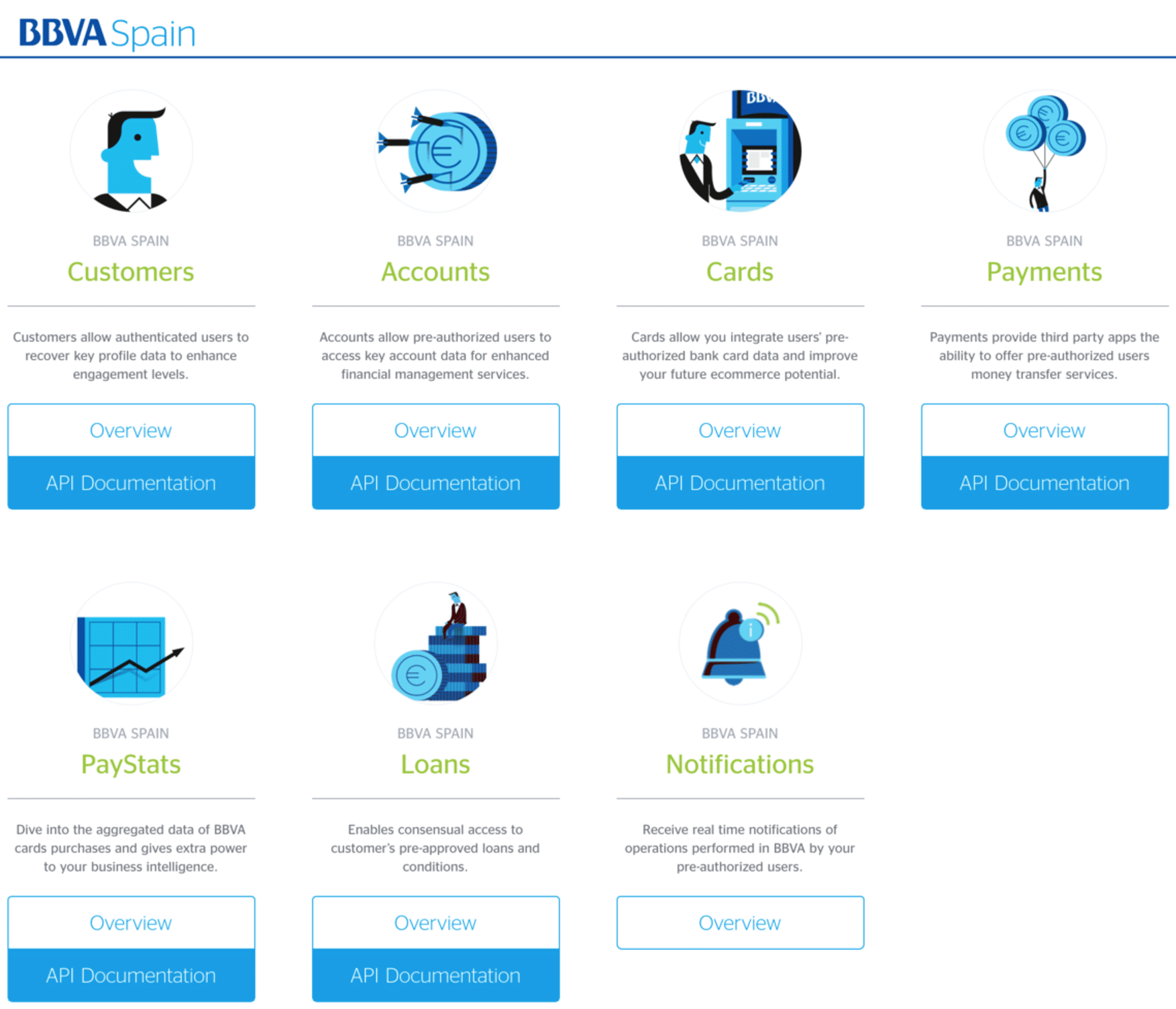
In its final report, the Competition and Markets Authority has formally implemented reforms aimed at giving people more control of their money. By Q1 of 2018, European banks have to completely open up their data through full APIs. But some banks aren’t prepared to wait that long. Read on to see which ones have taken the lead.

The Death of Omnichannel Banking
Lately I’ve noticed a few banks and fintechs wanting to “get started designing screens right away”. It seems great, but building the wrong thing is worse than building nothing at all.

FinTech Legend Leda Glyptis: If You Choose Who You Are, What You Do Will Follow
Over the past eight years, as a fintech founder who happens to be gay, I’ve met with 100+ corporate and institutional investors around the world.

How to Build a Bank - Our Interview with Monzo
I was recently asked by a client: ‘how do I hire a design team?’

648
648. News: Starling pulls back from Ireland while Stori becomes Mexico's latest fintech unicorn
Kate Moody and Amy Gavin are joined by some great guests to talk about the most interesting stories in financial services over the last 7 days, including: Starling pulls Irish bank application, Stori becomes Mexico’s latest fintech unicorn, and ‘Eat The Rich’ popsicles are selling fast!

Decoding: Banking as a Service - Episode 1
Welcome to episode 1 of our new video series, Decoding: Banking as a Service!

960
Insights: The future of Revolut with UKCEO Francesca Carlesi
The UK banking battlefield has never been more competitive. Customers expectfinancial apps that are personalised, seamless, and that genuinely make a differenc...
960
Insights: The future of Revolut with UKCEO Francesca Carlesi
960
Insights: The future of Revolut with UKCEO Francesca Carlesi
The UK banking battlefield has never been more competitive. Customers expectfinancial apps that are personalised, seamless, and that genuinely make a differenc...
960
Insights: The future of Revolut with UKCEO Francesca Carlesi
960
Insights: The future of Revolut with UKCEO Francesca Carlesi