Content Hub
.svg)
.svg)
Learn about the latest FS trends and news, from industry experts.

Becoming truly digital requires organisational culture change - here’s how to do it
Nearly a year ago now (how time flies during a global pandemic) we wrote that there’s never been a more important time to be truly digital. Little did we know that this would ring truer today than it did then!
Your brand matters more than your features
For anyone launching a new product, there are probably hundreds of questions on their mind. One of these is likely to be whether brand relevance or feature parity is more crucial to a product’s success. This is taken from our Unfiltered newsletter. Subscribe now for a no BS, uncensored analysis of fintech news and hot topics delivered to your inbox each fortnight.

The top Middle Eastern fintechs to watch in 2021
As 2019 winds down, we’re doing something a little different for this year and reviewing our best and most popular podcast episodes.

Why the FS industry needs to grow green fingers, ASAP
Like everyone else locked down here in the UK, I’ve been working my way through Netflix at an unrelenting pace... This is taken from our Unfiltered newsletter. Subscribe now for a no BS, uncensored analysis of fintech news and hot topics delivered to your inbox each fortnight.

Product teams: the secret to fintechs’ success?
It’s not often that we see regulation pre-empting innovation – rarer still to see it drive innovation forward.
The case for integrated QAs in tech teams
You would think that with all the ‘digital transformation’ in banking, the CIO would be king. And yet it doesn’t feel that way from within the CIO’s office.

Why are financial services brands fundamentally irrelevant for the most important moments in our lives?
Financial services brands are still fundamentally irrelevant for many of the most important moments of our life. But why is this? This is taken from our Unfiltered newsletter. Subscribe now for a no BS, uncensored analysis of fintech news and hot topics delivered to your inbox each fortnight.

Our fintech predictions for 2021
It’s 2022! And we’ve got a sneaking suspicion this year is gonna be one to remember.

7 takeaways from the final episode of Decoding: Banking as a Service
The final episode of our brand-new video series, Decoding: Banking as a Service, is here! If you missed it (or any of the others) catch up here. Here’s a rundown of this episode if you prefer reading to watching 📖
How BaaS has fuelled neobanking in the US
In the last few weeks Wells Fargo’s Control Tower, a set of tools designed to give customers better oversight over their financial lives, has been made available to all digital customers.

Celebrating the wins of 2020
We made it, folks! It’s been a tough year for all of us. One where both our professional and personal lives have been impacted in a big way.
6 takeaways from the latest episode of Decoding: Banking as a Service
The fifth episode of our brand-new video series, Decoding: Banking as a Service, is here! If you missed it (or any of the others) catch up here. Here’s a rundown of this episode if you prefer reading to watching 📖

Could the future of banking be baby boomers?
Arguably the biggest story right now is the announcement of Stripe Capital’s new end-to-end lending API for platforms to offer financing options to their SMB customers. (Simon Taylor wrote a great piece on this at the weekend.) This is taken from our Unfiltered newsletter. Subscribe now for a no BS, uncensored analysis of fintech news and hot topics delivered to your inbox each fortnight.
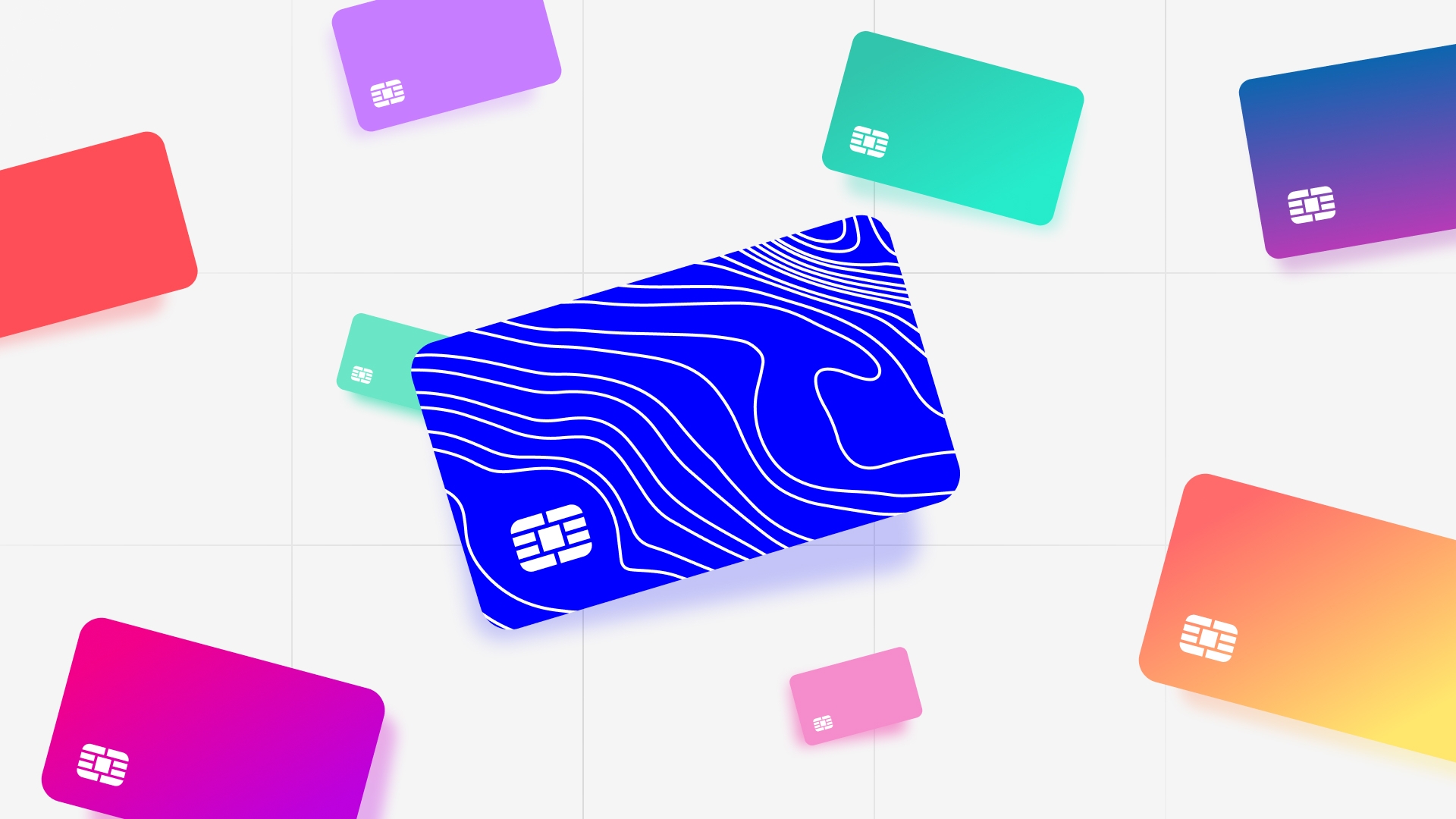
The risk of fintech blanding
How many times have you looked at a job posting only to see the mention of free fruit? Sure it’s nice to have free food, but what purpose does it serve and does it have anything to do with employee wellbeing?

1093
1093. Insights: What it’s really like to start a fintech in 2026
Starting a fintech has never been easier but has building a successful one ever been harder? Host David M. Brear is joined by Fatbardha Rino, CEO of Jet Bank, and Herbie Wildwood, Founder of Legacy, to explore what it really takes to build

1092
1092. News: Finally, the robots take over: Starling gets smarter, Stripe buys OpenRouter, and Visa and Mastercard unite on agentic payments
Host Laura Watkins - Director of Media and Marketing at 11:FS - is joined by some great guests to discuss the biggest stories from the world of financial services over the past week.

1091
1091. Insights: Can AI make us financially healthier?
About this episode: For years, financial wellness has focused on helping people become better at managing their money. But what if the next generation of financial products could take some of that burden away entirely? Host Ross Gallagher
1090
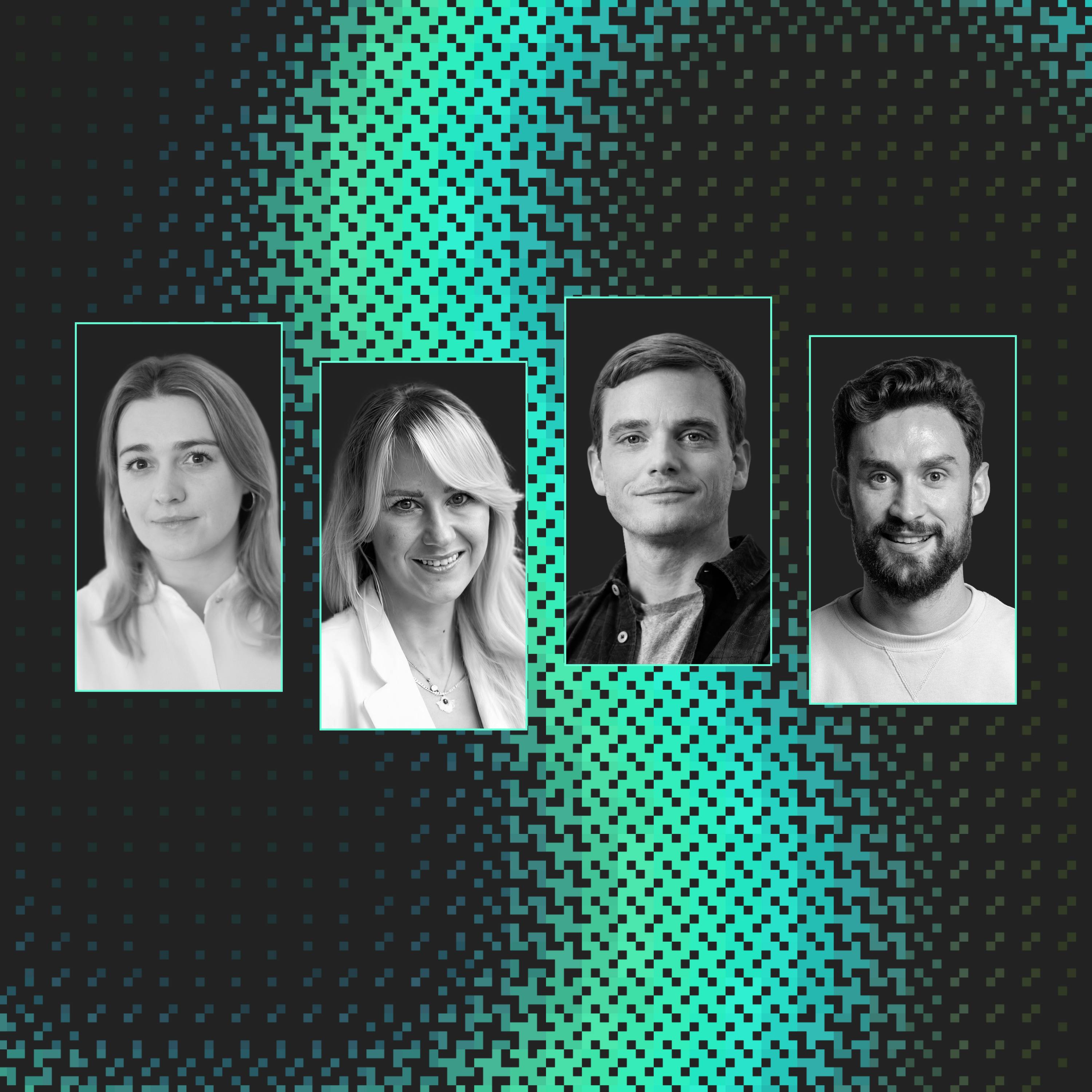
1090. News: Can anyone stop Revolut? Can Countingup and Griffin tackle SME pain? Can the FCA help UK fintechs scale?
Host Ross Gallagher - Head of Consulting at 11:FS - is joined by some great guests to discuss the biggest stories from the world of financial services over the past week.

1089
1089. Insights: Why does wealth management arrive too late?
About this episode: For many founders, selling a company is seen as the finish line. But some of the biggest financial decisions around an exit happen long before the deal is done - so why does wealth management so often arrive too late?

1088
1088. News: Visa bets $2.4bn for BioCatch, InvestiFi raises $20m, and HSBC pulls back in Australia
Host Benjamin Ensor - Director of Research and Strategy at 11:FS - is joined by some great guests to discuss the biggest stories from the world of financial services over the past week.
1087
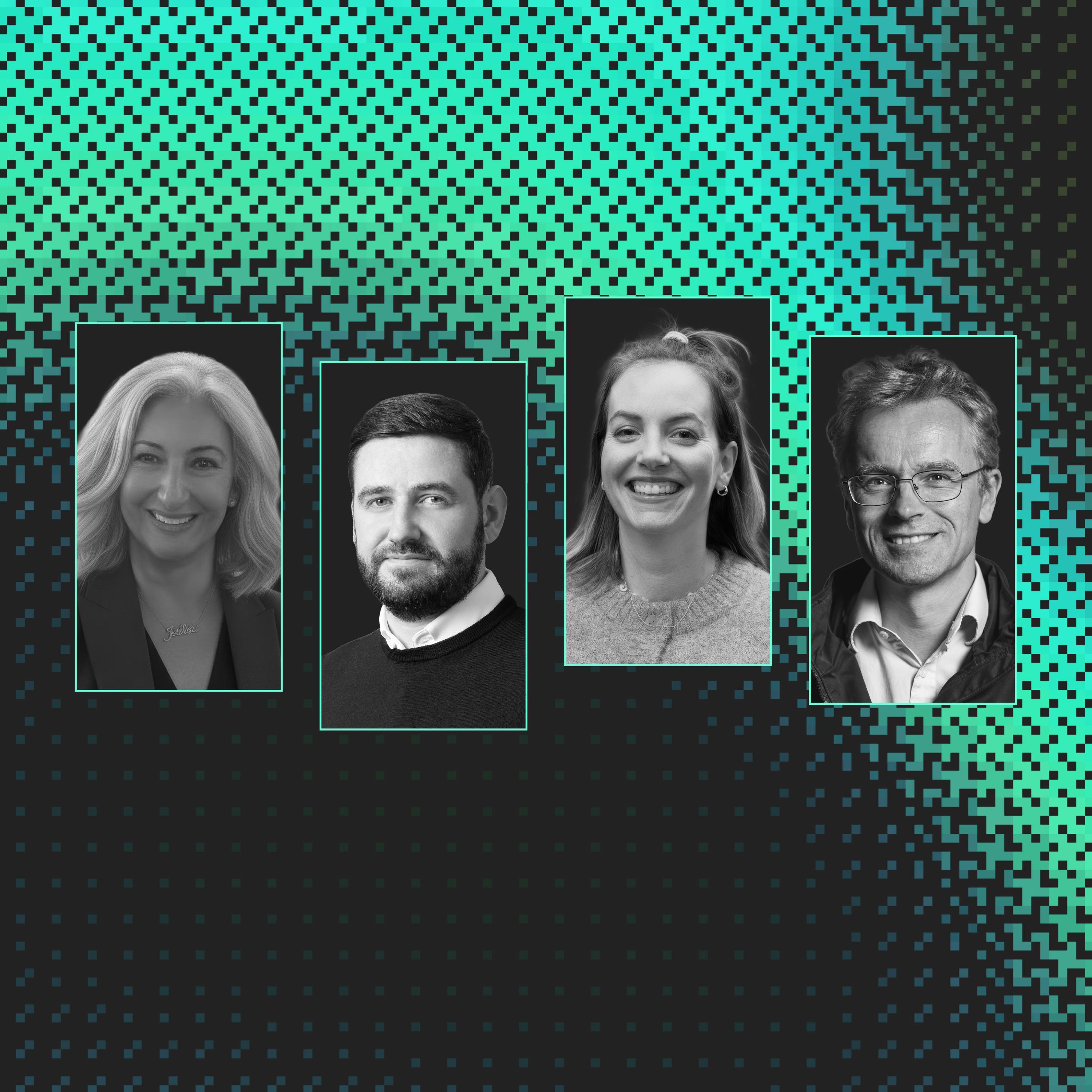
1087. Insights: Can anyone fix homebuying?
Buying a home is one of the biggest financial decisions most people will ever make. Yet despite years of digital innovation, the experience remains fragmented, stressful and surprisingly analogue.

1086
1086. News: Wise tries again in the US, Western Union shuts its digital bank and Brazil reinvents BNPL
Host Kate Moody - Customer Strategy Director at 11:FS - is joined by some great guests to discuss the biggest stories from the world of financial services over the past week.

1085
1085. Insights: Are Neobanks replacing private banking?
For years, neobanks competed by offering better banking experiences. Now, the biggest players are expanding into investing, AI-powered financial guidance, wealth management and premium services—areas once dominated by private banks.

1084
1084. News: Ant's $1.2bn Raise, Teya Doubles Down on SMEs and Revolut Lands licence in Australia
Host Laura Watkins - Director of Media and Marketing at 11:FS - is joined by some great guests to discuss the biggest stories from the world of financial services over the past week.
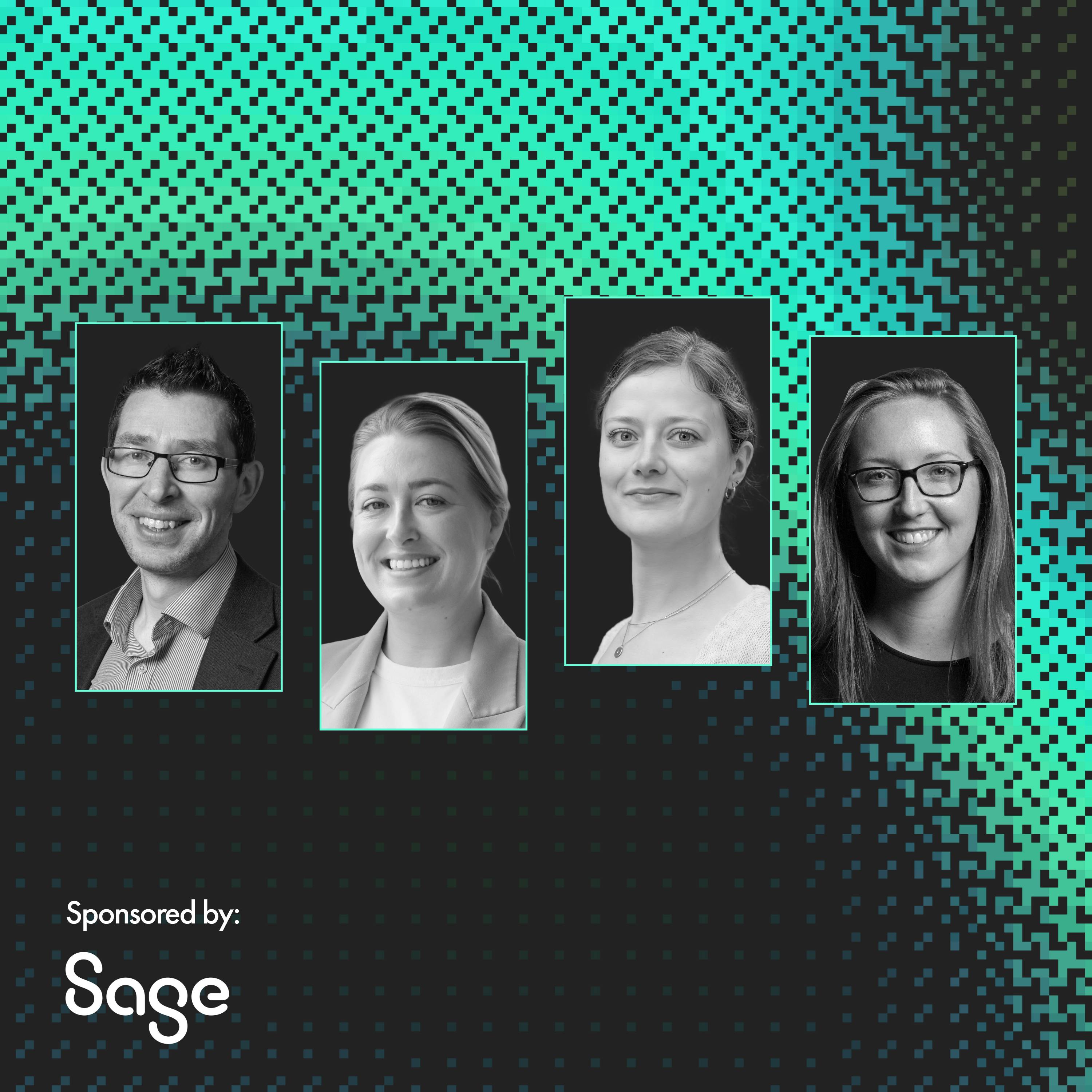
1083
1083. Insights: Why does running a business still feels harder than it should? With Sage
In this episode, with partnership with Sage, we're exploring why running a business still feels harder than it should—and how embedded experiences are changing that. Host Kate Moody, Customer Strategy Director at 11:FS, is joined by Gordon Stuart, SVP of Embedded Services at Sage, Emma Campbell, Chief Banking Officer at @One.io, and Sarah Kocianski, fintech consultant and analyst.

1082
1082. News: Stripe bids for PayPal, BNPL regulation kicks in, and Nubank secures a Mexican banking licence
Host Benjamin Ensor - Director of Research and Strategy at 11:FS - is joined by some great guests to discuss the biggest stories from the world of financial services over the past week.

1081
1081. Insights: The future of Robinhood. A conversation with UK President Jordan Sinclair
Robinhood has just unveiled one of the biggest product launches in its history, centred around a bold vision for Borderless Markets. From tokenised stocks and ETFs to Robinhood Chain and AI-powered investing, the company is betting that the future of finance will be tokenised, intelligent and increasingly autonomous.
1080
1080. News: Klarna applies for a US banking licence, LemFi buys Wealth8, and Santander open-sources AI
Host Ross Gallagher - Head of Consulting at 11:FS - is joined by some great guests to discuss the biggest stories from the world of financial services over the past week.

1079
1079. Insights: Robinhood, Public and the US firms leading the AI customer experience race
In this episode, we're exploring one of the biggest themes shaping financial services today: how US firms are leading the AI customer experience race.

11:FS Explores: Legacy banking systems ft. David M. Brear
David M. Brear, our 11:FS CEO, takes us through legacy technology within banks - but of course, with a really cool Lightboard.

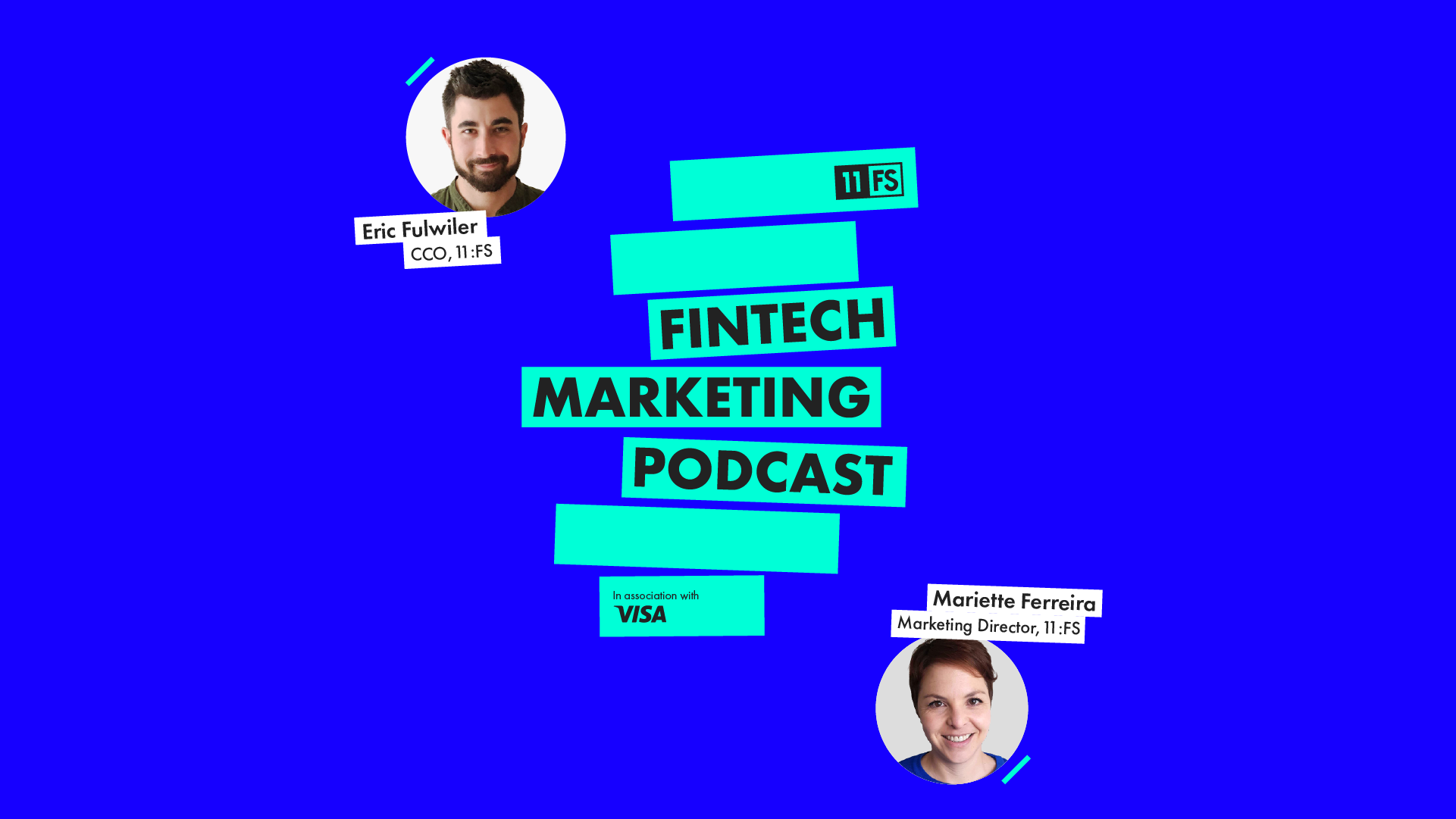
Fintech Marketing Podcast Season 2 Preview
Fintech Marketing Podcast Season 2: Coming soon
Fintech Insider Presents: After Dark - Open Finance: fact or fantasy?
After Dark - Open Finance: fact or fantasy?

What is Open Finance?
Banks are facing a lot of challenges compared to their fintech rivals.

Decoding: Banking as a Service - Episode 5
Welcome to episode 5 of our new video series, Decoding: Banking as a Service!

11:FS Explores: Digital R.I.C.H.E.S ft. David M. Brear
11:FS CEO David M. Brear takes to the lightboard to give us the full run-down, with examples of companies that are leading the way.
Decoding: Banking as a Service - Episode 4
Welcome to episode 4 of our new video series, Decoding: Banking as a Service!
Decoding: Banking as a Service - Episode 3
Welcome to episode 3 of our new video series, Decoding: Banking as a Service!
Decoding: Banking as a Service - Episode 2
Welcome to episode 2 of our new video series, Decoding: Banking as a Service!

Decoding: Banking as a Service - Episode 1
Welcome to episode 1 of our new video series, Decoding: Banking as a Service!

11:FS Spotlight: Nationwide Mission Leaders - Creating the most efficient teams
In this episode of Spotlight on LinkedIn Live, we're speaking to Paul Riseborough and Rachael Sinclair, Mission Leaders from Nationwide, about how they're switching up their business structure to ensure they are aligned to their customers and creating the most effective teams in the industry along the way.
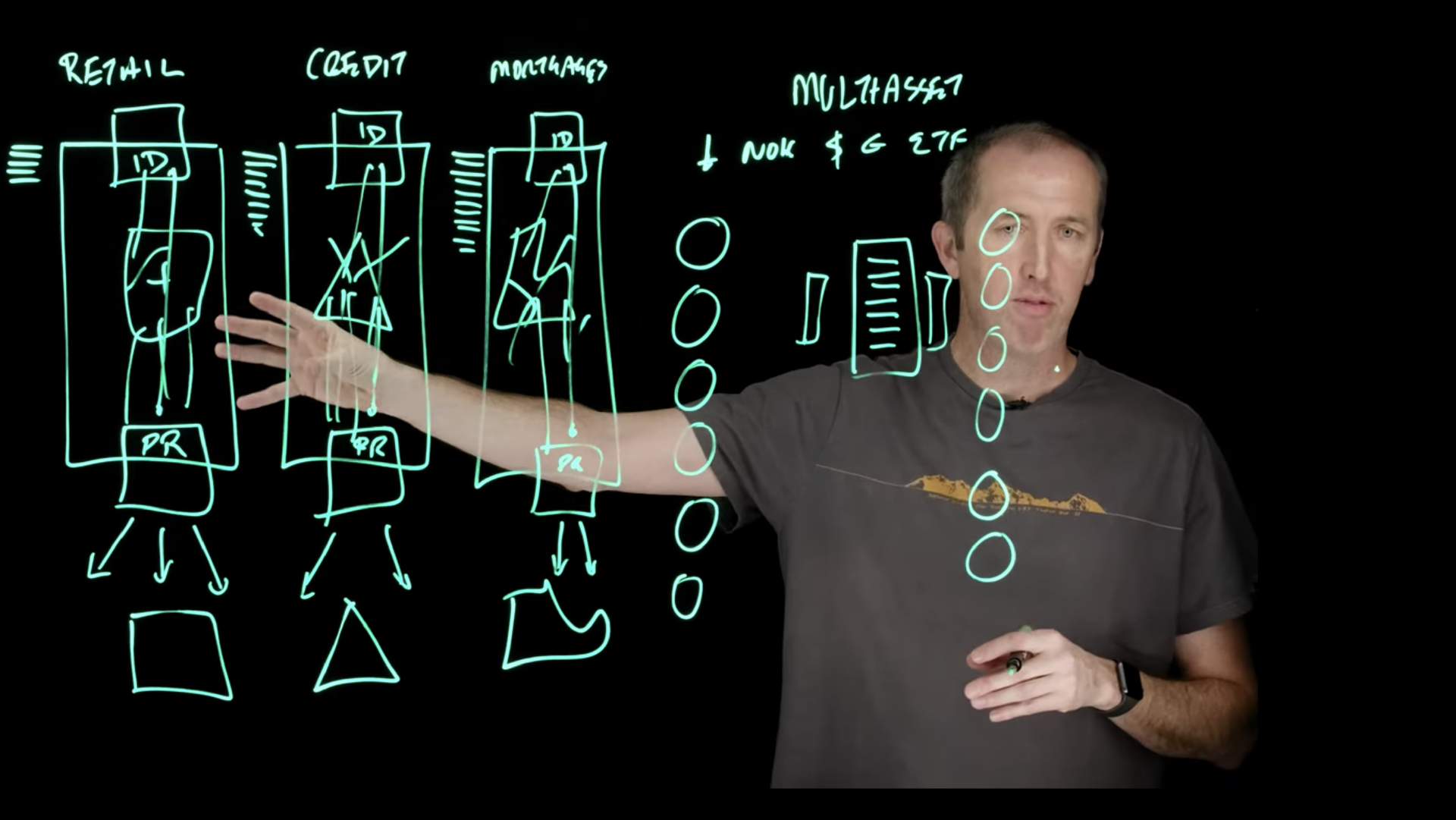
It's not the technology - Why banking is broken ft. Ewan Silver
When people discuss 'banking being broken', they often refer to the technology itself. However, that isn't necessarily the case.

Microservices architecture - Asynchronous systems ft. Vaughan Sharman
Minimum Lovable Brand | 11:FS Explores
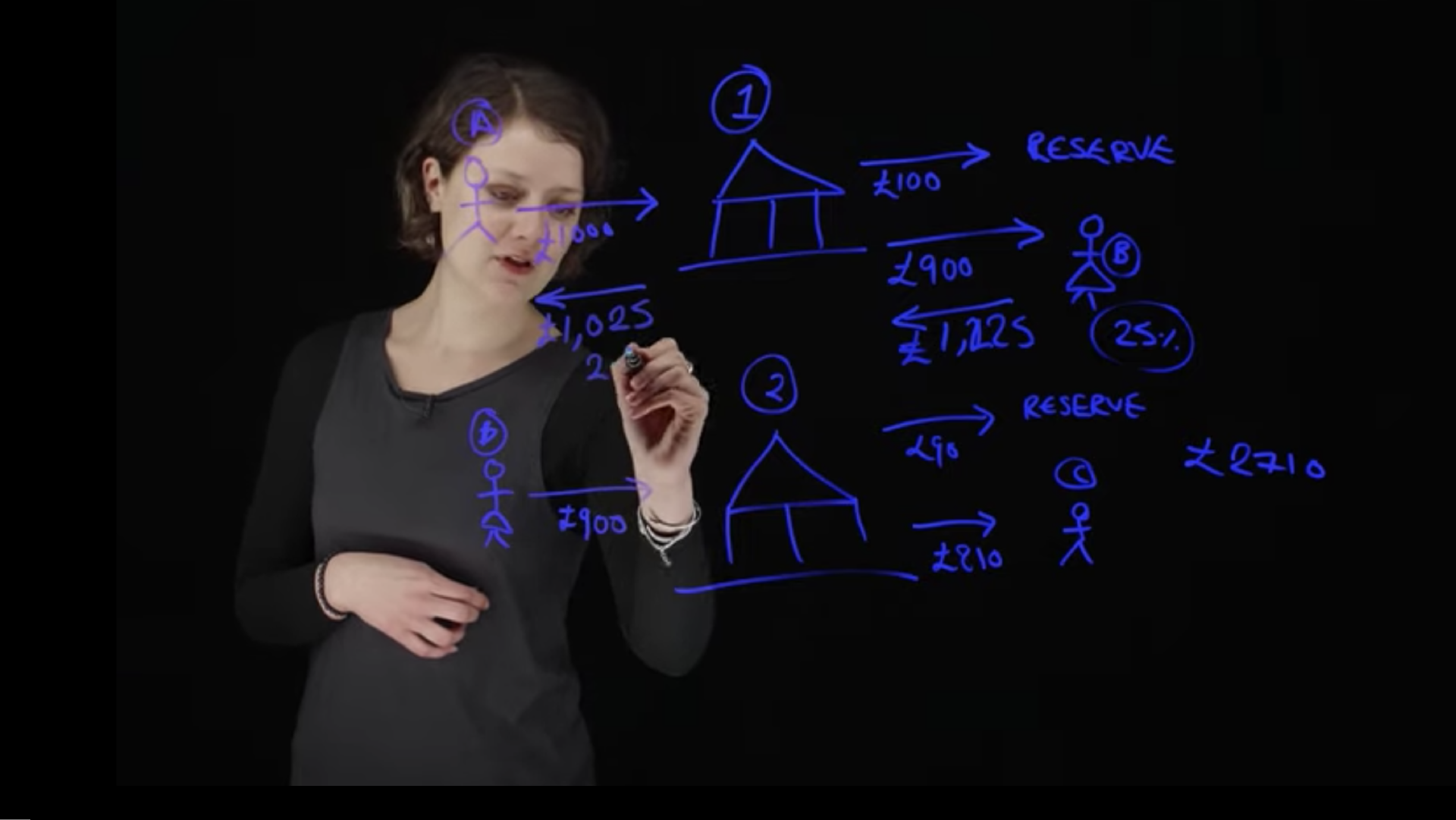
How banks make money - UK retail banking ft. Sarah Kocianski
In this video, our Head of Research, Sarah Kocianski, unpacks exactly how banks make money - with the handy edition of a super cool lightboard!

960
Insights: The future of Revolut with UKCEO Francesca Carlesi
The UK banking battlefield has never been more competitive. Customers expectfinancial apps that are personalised, seamless, and that genuinely make a differenc...
960
Insights: The future of Revolut with UKCEO Francesca Carlesi
960
Insights: The future of Revolut with UKCEO Francesca Carlesi
The UK banking battlefield has never been more competitive. Customers expectfinancial apps that are personalised, seamless, and that genuinely make a differenc...
960
Insights: The future of Revolut with UKCEO Francesca Carlesi
960
Insights: The future of Revolut with UKCEO Francesca Carlesi