Content Hub
.svg)
.svg)
Learn about the latest innovation happening in financial services.

Banks, it’s time to decide what kind of embedded banking player you are
Embedded banking without strategic intent is expensive theatre. Lots of APIs, lots of partnership announcements, lots of pilots, but not much revenue. And that’s the risk facing corporate banks right now.

Trust is the new infrastructure in agentic commerce
AI assistants already help people compare products, check availability and plan purchases. Agentic commerce extends that role to placing the order: a customer sets a budget and a few conditions, then gives the software permission to complete the purchase.

The Agentic AI trap: More agents won’t transform financial services
Financial institutions are moving quickly into agentic AI. Coding agents, workflow agents, document agents, service agents and operational agents are already entering the enterprise. Many will create useful gains, some of them genuinely impressive. But that is not the real test.

We've been talking about homebuying forever, so why is it still broken?
Financial services should be designing products and services that help buyers understand all of the costs involved in their end-to-end financial journey before committing.
.png)
In Saudi fintech, every transaction can be a path to financial growth
As the Saudi fintech market matures, a new challenge is emerging. Most fintech interactions, whether payments, BNPL, or other services, remain fundamentally transactional.

Vertical Agentic AI is the next frontier for value creation In financial services
Most AI deployments so far have focused on AI that “talks”, which can search, summarise, and draft content to support employees. The next wave is different: AI agents that “do” are starting to take bounded actions inside workflows, moving cases forward and coordinating steps end-to-end, with humans kept in control where it matters.

The fight to win the salary battle
As the industry adjusts to a new digital landscape, players across the spectrum are fighting to muscle their way into the financial epicentre and ‘win’ the salary battle to become the payday home of their customers.

Finovate Europe 2026: Three themes and takeaways
11:FS' own Ollie Sebley rounds up another edition of Finovate Europe, what he took away from the talks, and what they say about the outlook for financial services through 2026 and beyond.

Agentic AI is reshaping financial services
Unlocking agentic AI’s upside demands rethinking how humans and systems share control, rebuilding data and API foundations, and scaling autonomy in measured steps with rigorous human-style QA


Tackling fraud in real time: balancing speed and security
The term ‘technical debt’ has been around a long time in software engineering. It shares some common characteristics with financial debt: You can accumulate it, you can ‘pay it off’.

Feature benchmarking: How UK banking apps stack up
Recap the biggest live show Fintech Insider: After Dark has ever done below. Listen back here or stream below as Jason, Simon and a panel of special guests tackle some of the biggest and silliest stories of the week.

How Lloyds is putting more money in customers’ pockets by tackling £23bn in unclaimed benefits
Loyalty is broken. ‘We appreciate your loyalty’ greetings don’t fool anyone. Most of us can recall crappy experiences.

5 fintechs to watch in Asia
The fintech scene in Asia is booming. In recent years, the region has developed rapidly, with a diverse array of startups and established banks transforming how financial services are delivered and consumed.

3
3. The data economy and new business models
David and Nigel run an informal roundtable all about how the data economy disrupting the insurance sector and creating new product/business models, with some very special guests -followed by the top news stories from the industry.
3
3. The data economy and new business models
David and Nigel run an informal roundtable all about how the data economy disrupting the insurance sector and creating new product/business models, with some very special guests -followed by the top news stories from the industry.
2
2 Serial disruption
David and Nigel are back for episode two! They discuss the latest news and trends in insurtech, and also speak to Phoebe Hugh, CEO of Brolly.
2
2 Serial disruption
David and Nigel are back for episode two! They discuss the latest news and trends in insurtech, and also speak to Phoebe Hugh, CEO of Brolly.




960
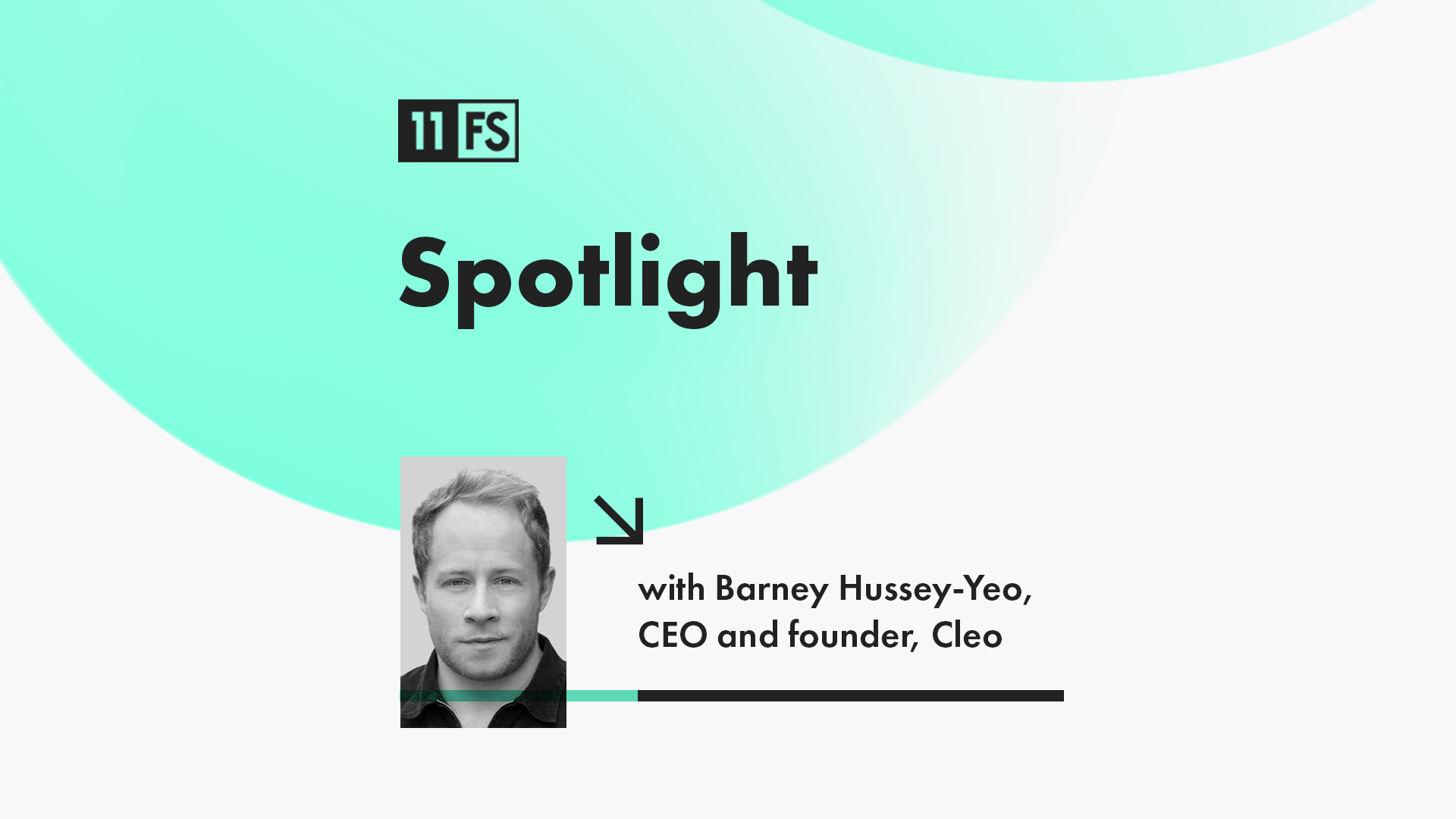
Insights: The future of Revolut with UKCEO Francesca Carlesi
The UK banking battlefield has never been more competitive. Customers expectfinancial apps that are personalised, seamless, and that genuinely make a differenc...
960
Insights: The future of Revolut with UKCEO Francesca Carlesi
960
Insights: The future of Revolut with UKCEO Francesca Carlesi
The UK banking battlefield has never been more competitive. Customers expectfinancial apps that are personalised, seamless, and that genuinely make a differenc...
960
Insights: The future of Revolut with UKCEO Francesca Carlesi
960
Insights: The future of Revolut with UKCEO Francesca Carlesi