Content Hub


Learn about the latest FS trends and news, from industry experts.

In defence of virtue signalling
Nothing’s worse than not having any options, but having too many can be just as bad.

7 reasons Banking as a Service is a game changer
We now live in a world where almost anyone can build and launch innovative, regulated financial products as easily as they can create a Shopify page - that’s the magic of Banking as a Service (BaaS).

Goldman Sachs is leaning into embedded finance: other banks should take note
As 11:FS wraps up its 5th year in business, we can’t help but think about what the next 5 will look like. And our ambitions are big. It’s only just on the right side of scary.
Jobs to be Done: Helping US SMBs make smart and proactive decisions based on their finances
This is the second instalment of a 6 part series that explores the Jobs to be Done (JTBD) for US SMBs that we identified in our recent research. Each blog post explores one of the jobs and how we examined it with a JTBD canvas. If you missed the first post that explains JTBD and the canvas, check it out before reading this.

Is the future really cashless?
Richard Brown, CTO at R3, says that blockchain allows us to, for the first time, build systems and technologies that run between different organisations that don’t trust each other and bring them to consensus. This means potentially significant savings for financial services, especially in file reconciliation and manual activity. For blockchain to succeed in finance, multiple firms must work together, and Corda is helping to do just that.

11 US fintechs on our watchlist right now
There’s a reason counties often refer to their tech hubs as “the Silicon Valley of [insert country name here].” The Bay Area is the proud birthplace of some of the world’s biggest technological triumphs, home to global powerhouses like Apple and Visa. Every year the Valley also attracts a host of fintech start-ups - such as Credit Karma, Chime and Varo Bank, to name a few. But it’s not just California driving the future of financial services. We’ve done our research to see which companies across the 50 states are leading the fintech charge. (Did you miss our first blog? See who’s doing awesome things on the other side of the pond with our list of the hottest European fintechs.)
Jobs to be Done: Create a realistic but impactful marketing budget
I speak to a lot of customers about how money fits into their lives. I’ve never come across anyone who said “what I really need is a bank” or more specifically banking products like credit cards or savings accounts. Customers don’t want your products, they want to achieve their goals.People talk about helping their kids go to university or getting the best deal on their mobile phone. Of course, people require money and some kind of financial products to do these things. However, the cold reality for banks is that their commoditised products are not helping customers make progress towards these important jobs in their lives.At 11:FS we help build truly digital next generation digital propositions. Central to this is grounding intelligent digital propositions in customer Jobs To be Done (JTBD).

Why the Middle East could be the next fintech hotspot
Back at the end of 2019, we dived into the perfect fintech storm that was brewing in the Middle East. Diversification had already started in the region, but financial inclusion was reluctant to follow. So where are we now? It’s 2020, and things have been hotting up in the region with opportunities continuing to surface. But what does the region hold for fintech and why is the Middle East where the real gold lies?
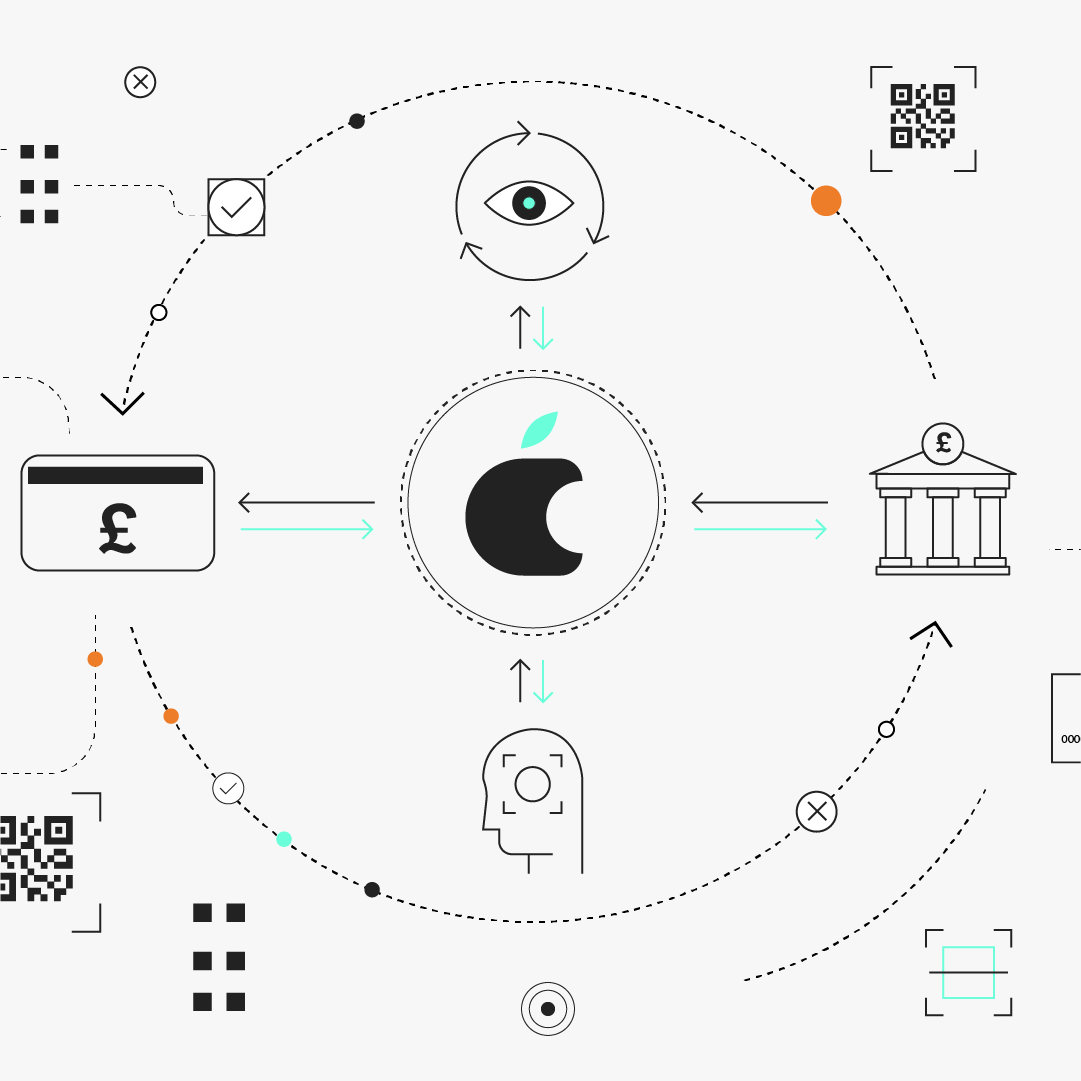
How Apple is leading the charge for brands embedding finance
Cyber attacks are hardly new, so why are banks putting renewed energy into combating them? 11:FS Market Research Analyst Joanne Kumire explains.

11 observations from remote working during lockdown
Pre-COVID, you could’ve called me a globe-trotter. And you wouldn’t have been wrong. As an author, commentator and public speaker, I’m rarely in one place for too long. So getting used to working from home for the past six months has been a revelation, to say the least. In light of World Mental Health Day 2020 (arguably the most important one yet) I thought I’d share some of the observations I’ve made since being thrust into 24/7 remote working. While some of them might be trivial, it’s fair to say I’ve experienced a rollercoaster of emotions. Mental health isn’t a static creature, and it’s bound to fluctuate thanks to the blows we’ve been dealt by the pandemic - I’m sure you can relate.

Jobs to be Done: Helping US SMBs build credibility and legitimacy in order to access funding
This is the final instalment of a 6 part series that explores the Jobs to be Done (JTBD) for US SMBs that we identified in our recent research. Each blog post dives into one of the jobs and how we examined it with a JTBD canvas. If you missed the first post that explains JTBD and the canvas, check it out before reading this.

Seedrs and Crowdcube merger: hot takes
It's a truism that the hardest job in engineering is that of 'Tech Lead'. You're the person who's not only writing code, but simultaneously leading a small group of other engineers and spending large amounts of time talking to stakeholders and the Product Manager (or, ten years ago, *Project* Manager). This is taken from our Unfiltered newsletter. Subscribe now for a no BS, uncensored analysis of fintech news and hot topics delivered to your inbox each fortnight.
11 European fintechs we’re excited about right now
London’s been at the centre of the fintech bubble for over a decade now, and the rest of Europe isn’t far behind. One of the few silver linings of the coronavirus pandemic could be that it might act as a catalyst for a tonne of investment into fintech, as more and more people recognise the need to go digital. Despite the trend for falling investments in 2020, the UK fintech sector is still looking flush thanks to investments of over $1.84 billion. To give you a heads up on the next big companies on the scene, we’ve rounded up the hottest startups on our watch list 🔥
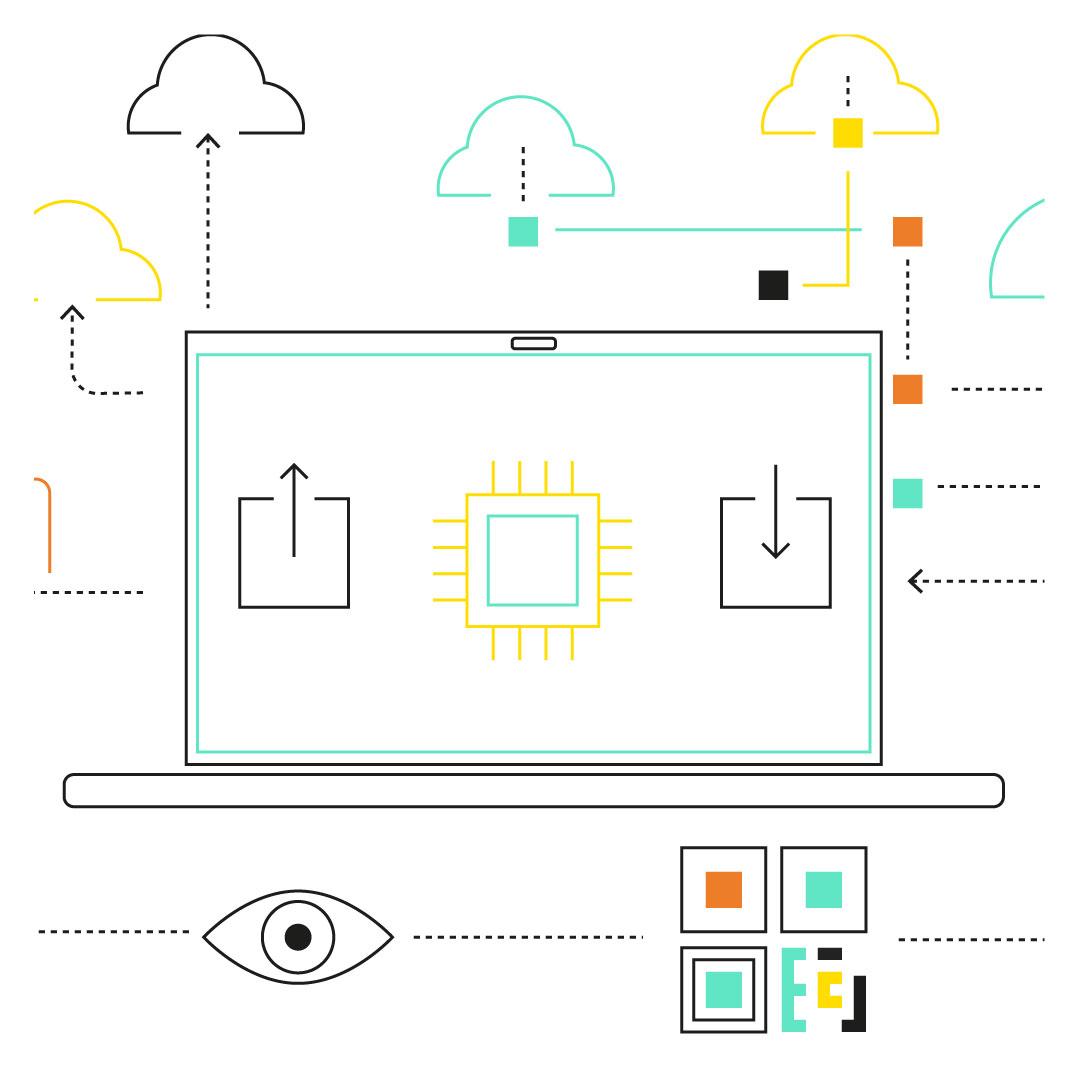
Using the cloud to fly sky high above the competition
As we roll into 2018 thoughts inevitably turn to the big themes that we might expect (and hope) to see for user experience in the financial services industry this year.
Jobs to be Done: How to help US SMBs keep their personal assets separate from their business finances
Jobs To Be Done (JTBD) is a theory. Its main aim is to explain why customers start - and stop - using different products and services in the market. Stripped down to the essentials, it’s a fairly straightforward concept first introduced by Harvard professor Clayton Christensen that can be adapted into a useful tool for product development.
1090
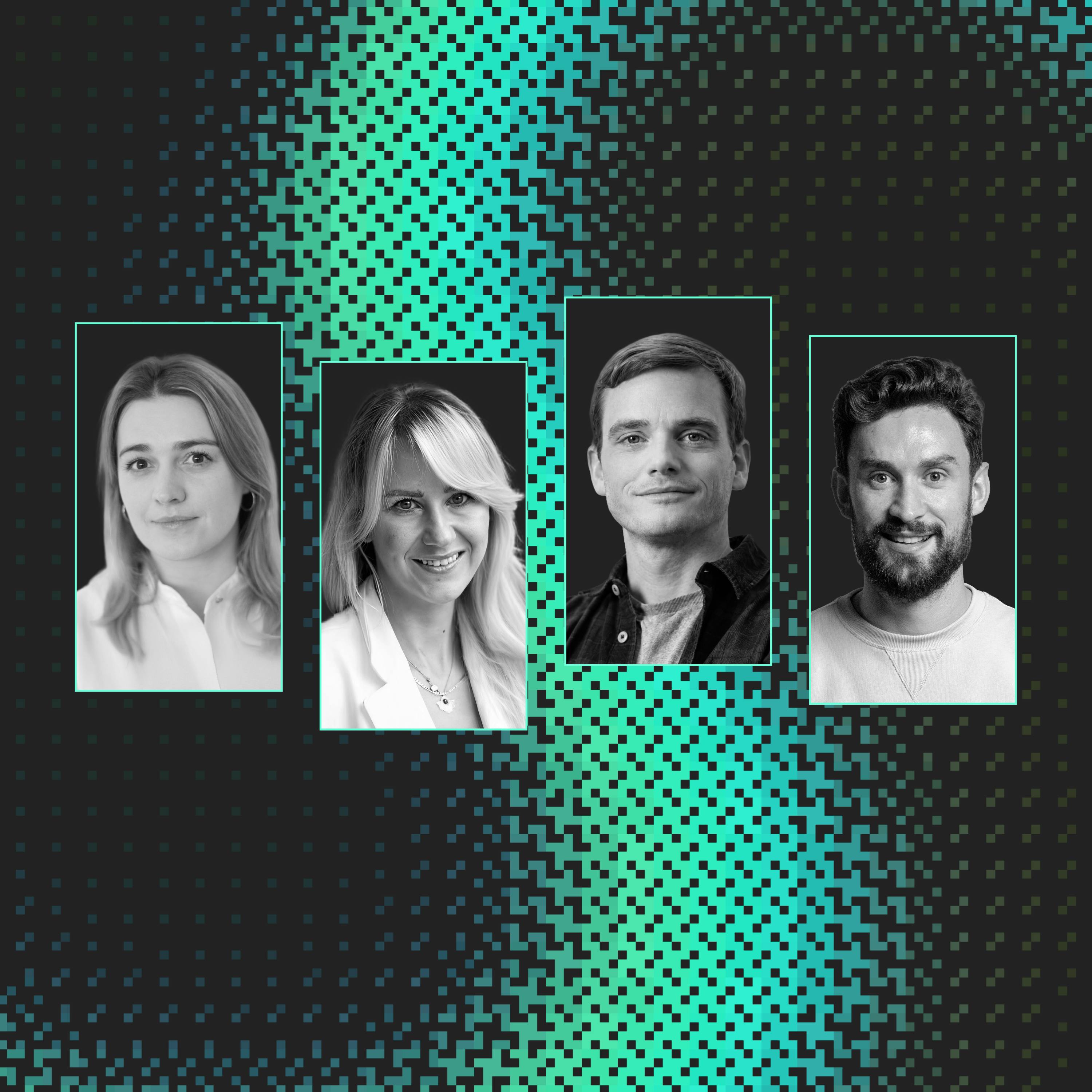
1090. News: Can anyone stop Revolut? Can Countingup and Griffin tackle SME pain? Can the FCA help UK fintechs scale?
Host Ross Gallagher - Head of Consulting at 11:FS - is joined by some great guests to discuss the biggest stories from the world of financial services over the past week.
1089
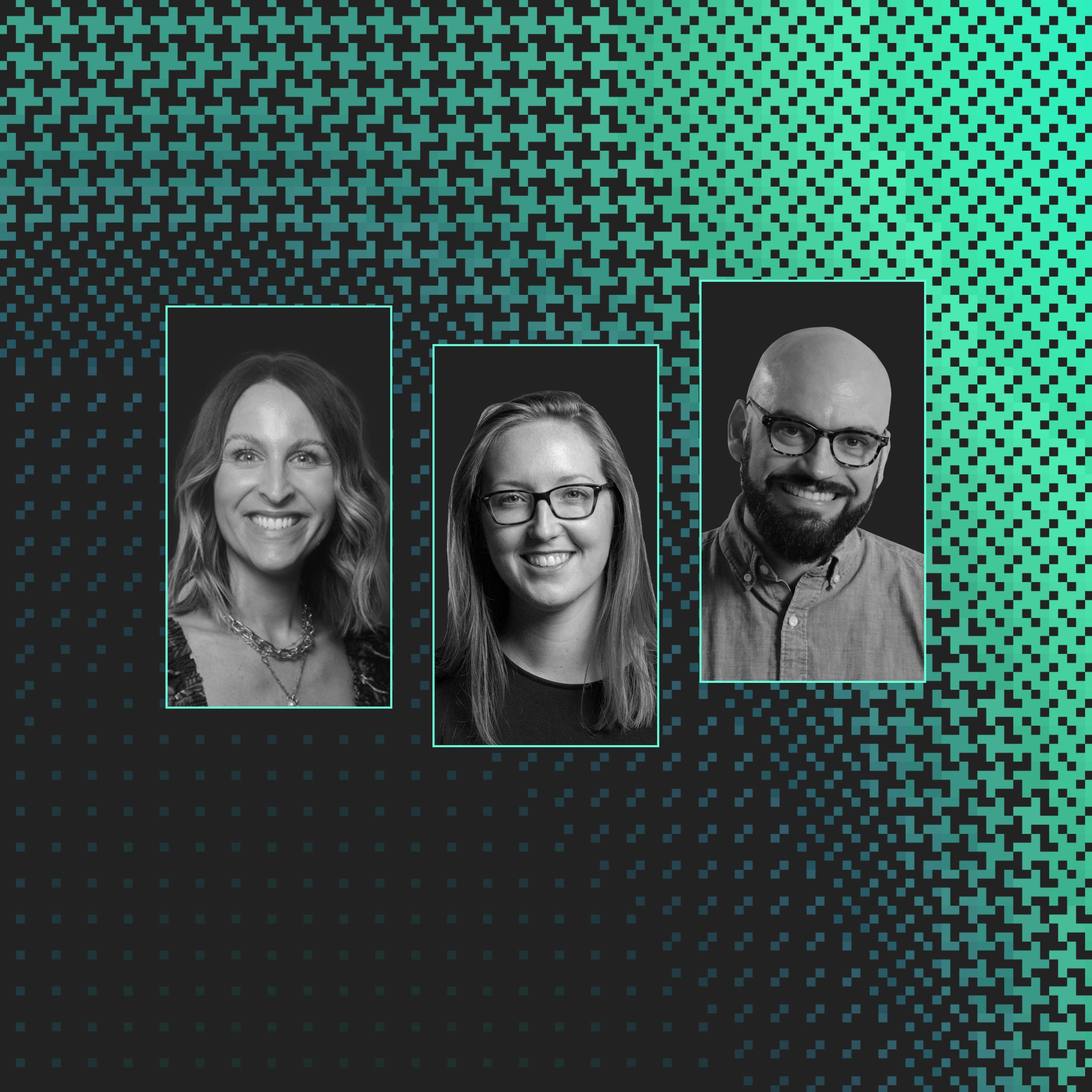
1089. Insights: Why does wealth management arrive too late?
About this episode: For many founders, selling a company is seen as the finish line. But some of the biggest financial decisions around an exit happen long before the deal is done - so why does wealth management so often arrive too late?

1088
1088. News: Visa bets $2.4bn for BioCatch, InvestiFi raises $20m, and HSBC pulls back in Australia
Host Benjamin Ensor - Director of Research and Strategy at 11:FS - is joined by some great guests to discuss the biggest stories from the world of financial services over the past week.
1087
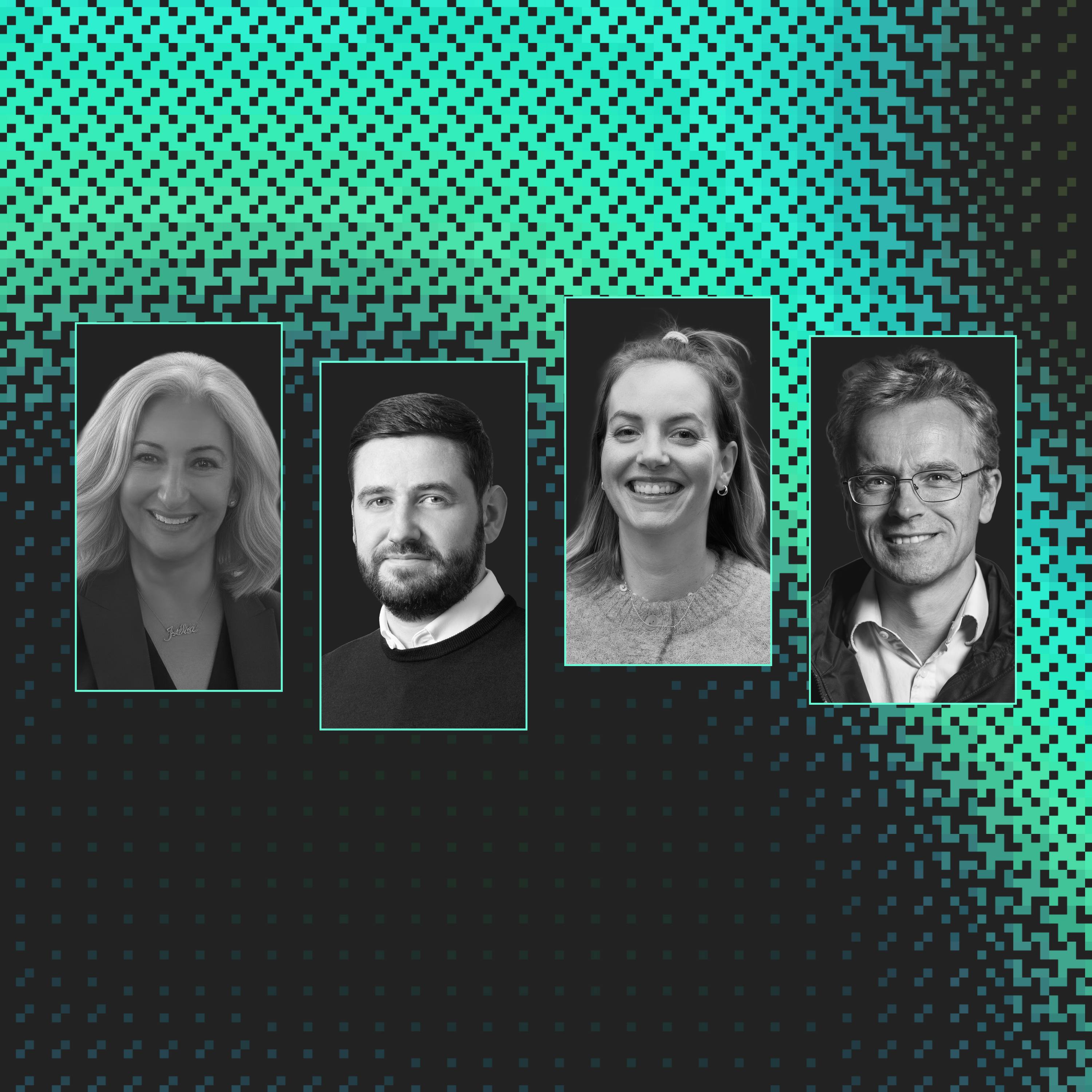
1087. Insights: Can anyone fix homebuying?
Buying a home is one of the biggest financial decisions most people will ever make. Yet despite years of digital innovation, the experience remains fragmented, stressful and surprisingly analogue.

1086
1086. News: Wise tries again in the US, Western Union shuts its digital bank and Brazil reinvents BNPL
Host Kate Moody - Customer Strategy Director at 11:FS - is joined by some great guests to discuss the biggest stories from the world of financial services over the past week.

1085
1085. Insights: Are Neobanks replacing private banking?
For years, neobanks competed by offering better banking experiences. Now, the biggest players are expanding into investing, AI-powered financial guidance, wealth management and premium services—areas once dominated by private banks.

1084
1084. News: Ant's $1.2bn Raise, Teya Doubles Down on SMEs and Revolut Lands licence in Australia
Host Laura Watkins - Director of Media and Marketing at 11:FS - is joined by some great guests to discuss the biggest stories from the world of financial services over the past week.
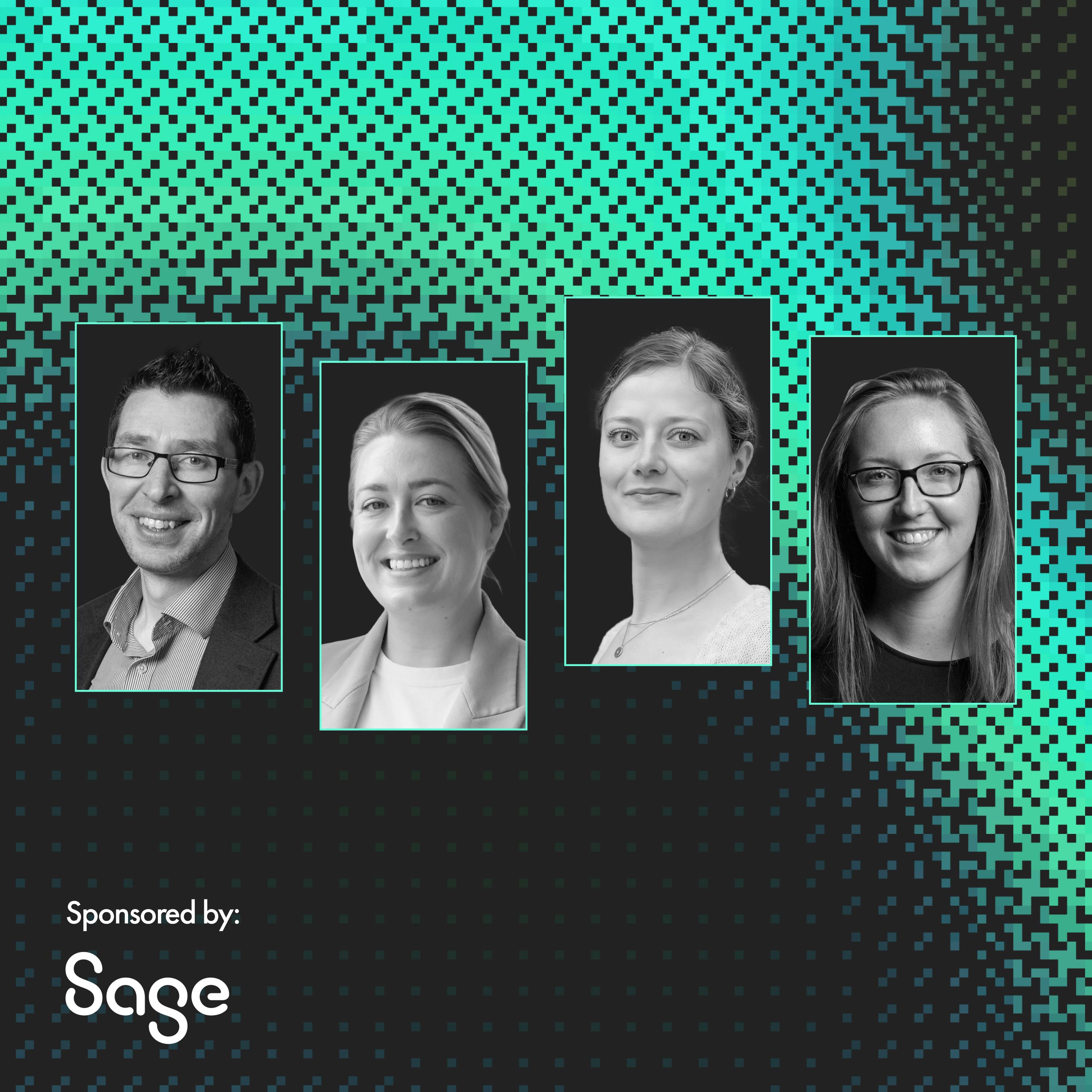
1083
1083. Insights: Why does running a business still feels harder than it should? With Sage
In this episode, with partnership with Sage, we're exploring why running a business still feels harder than it should—and how embedded experiences are changing that. Host Kate Moody, Customer Strategy Director at 11:FS, is joined by Gordon Stuart, SVP of Embedded Services at Sage, Emma Campbell, Chief Banking Officer at @One.io, and Sarah Kocianski, fintech consultant and analyst.

1082
1082. News: Stripe bids for PayPal, BNPL regulation kicks in, and Nubank secures a Mexican banking licence
Host Benjamin Ensor - Director of Research and Strategy at 11:FS - is joined by some great guests to discuss the biggest stories from the world of financial services over the past week.

1081
1081. Insights: The future of Robinhood. A conversation with UK President Jordan Sinclair
Robinhood has just unveiled one of the biggest product launches in its history, centred around a bold vision for Borderless Markets. From tokenised stocks and ETFs to Robinhood Chain and AI-powered investing, the company is betting that the future of finance will be tokenised, intelligent and increasingly autonomous.

1080
1080. News: Klarna applies for a US banking licence, LemFi buys Wealth8, and Santander open-sources AI
Host Ross Gallagher - Head of Consulting at 11:FS - is joined by some great guests to discuss the biggest stories from the world of financial services over the past week.

1079
1079. Insights: Robinhood, Public and the US firms leading the AI customer experience race
In this episode, we're exploring one of the biggest themes shaping financial services today: how US firms are leading the AI customer experience race.

1078
1078. News: FCA unveils crypto rules, Airwallex hits $11bn valuation, and Jet Bank launches Albania's first digital bank
Host Benjamin Ensor - Director of Research and Strategy at 11:FS - is joined by some great guests to discuss the biggest stories from the world of financial services over the past week.
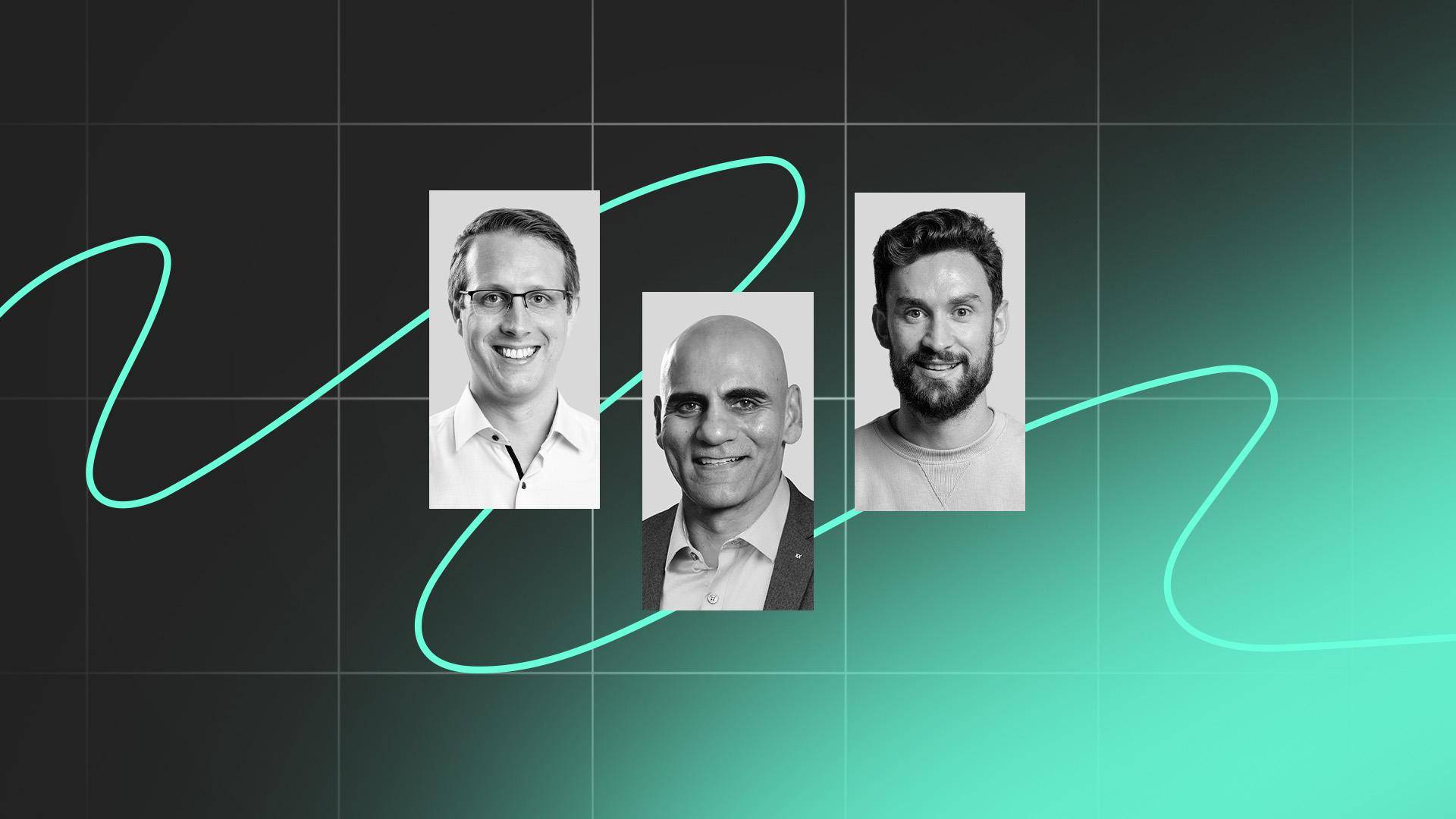
1077
1077. Insights: What does it take to build the bank of the future? With Engine by Starling
In this episode, we're exploring what it takes to build modern banking technology from the ground up. Host Ross Gallagher - Head of Consulting at 11:FS - joined by Sam Everington, CEO of Engine by Starling, and Jody Bhagat, President of North America at Engine by Starling.
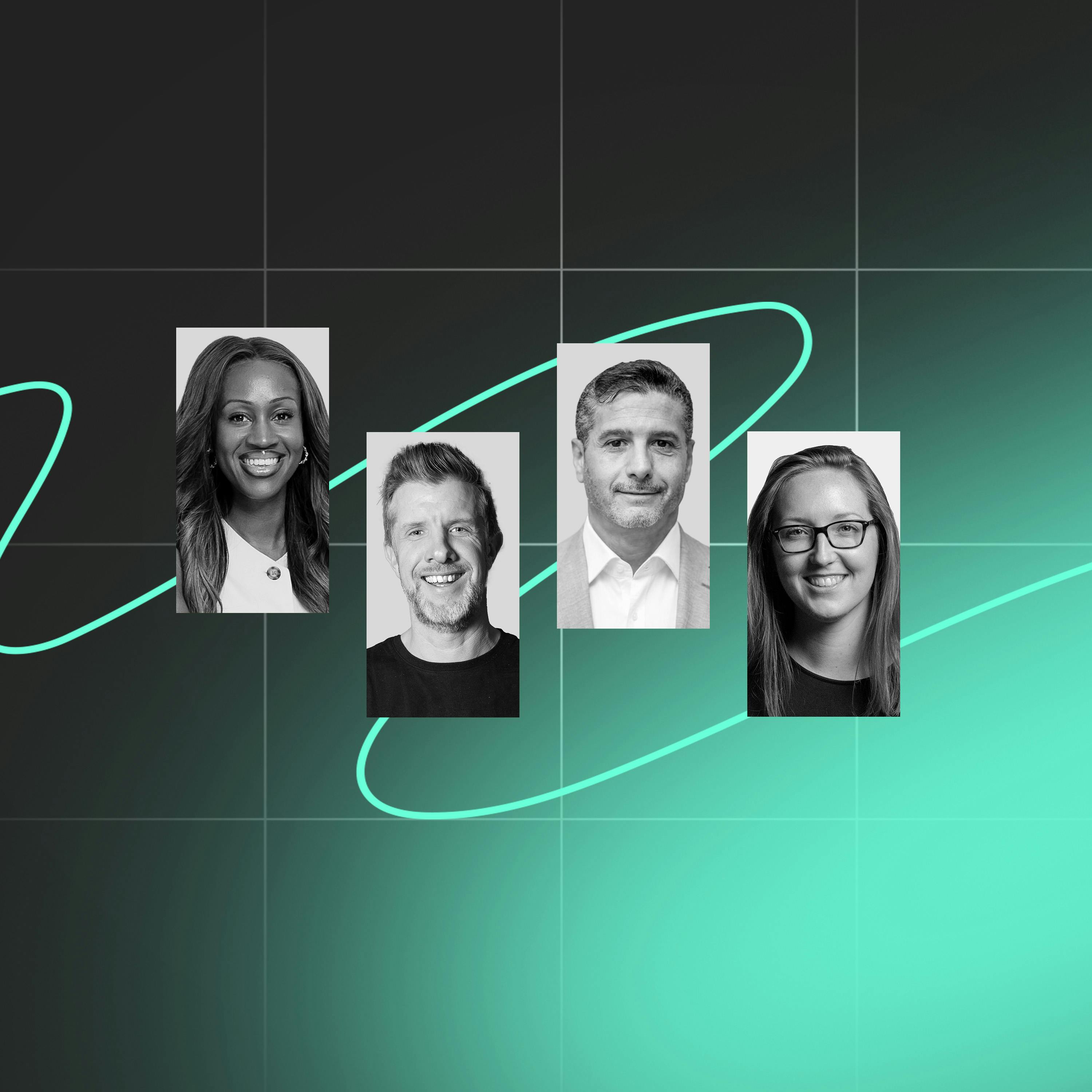
1076
1076. News: US and UK push stablecoins, Flutterwave lands $3.2bn, and Green-Got makes Crowdcube history
Host Kate Moody - Customer Strategy Director at 11:FS - is joined by some great guests to discuss the biggest stories from the world of financial services over the past week.
3 ways AI is shaking up UX in financial services | 11:FS Explores
The entire world is buzzing about AI, and that ain't changing anytime soon. But as AI becomes more integrated into our daily lives, what impact will it have on financial services and how people interact with them?




What are fintechs? - Decoding: Banks
Ever wanted to know what’s going on behind the scenes every time we make a payment?

How does banking regulation work? - Decoding: Banks
Regulation is essential. It stops banks from going bust or behaving badly.

How has software evolution influenced banking? - Decoding: Banks
The invention of the computer revolutionised banking in the 1950s.

How does lending work? - Decoding: Banks
Lending has been around for thousands of years and is one of the cornerstones of banking.
How can traditional banks win on the banking battlefield? - Decoding: Banks
They're down, but they're not certainly not out.

How do card networks operate? - Decoding: Banks
Mastercard and Visa are the two biggest credit card networks in the world.

How has the banking battlefield evolved? - Decoding: Banks
We kick off our Decoding: Banks series with a look at the banking landscape today and how we got here.
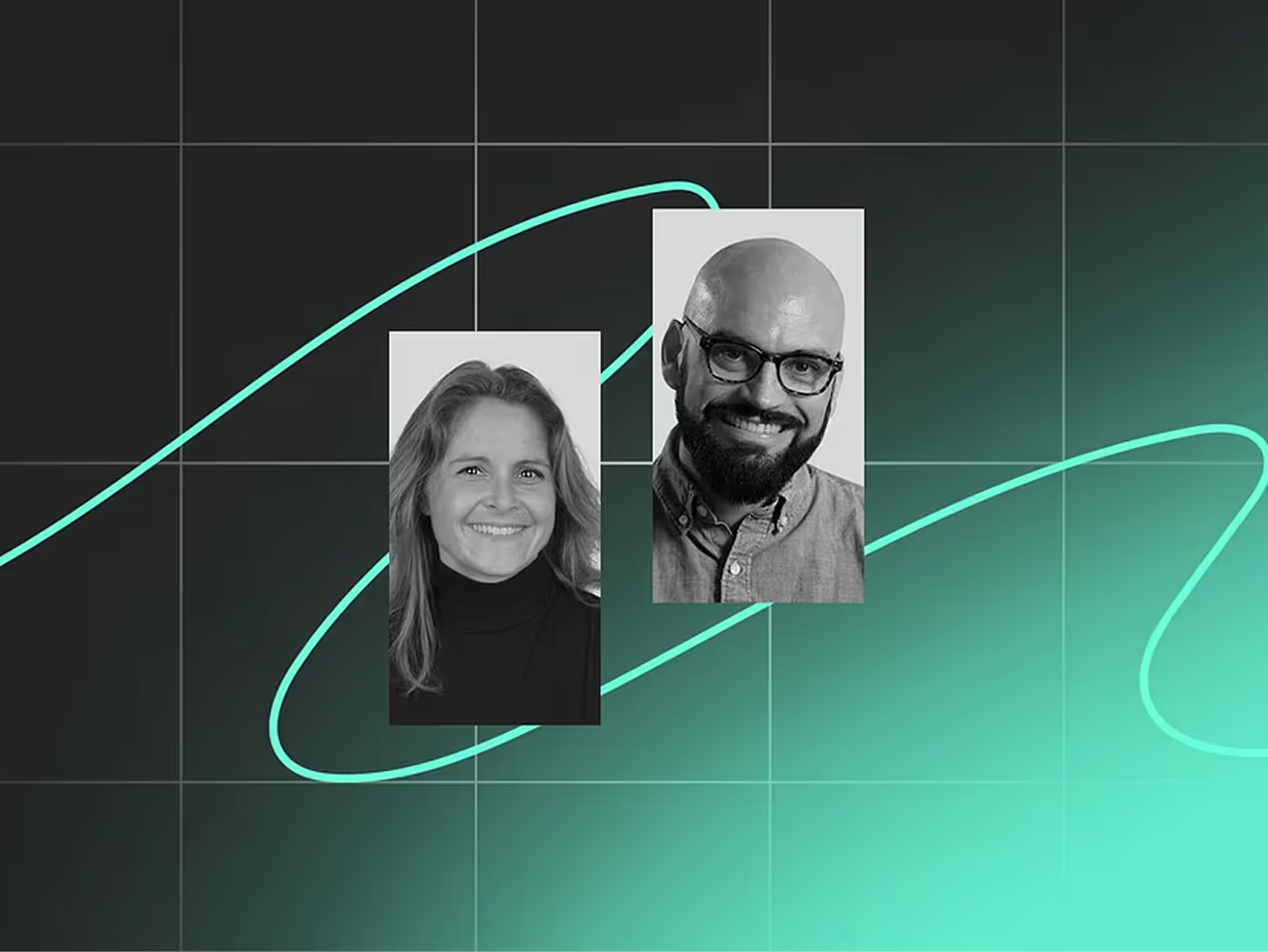
960
Insights: The future of Revolut with UKCEO Francesca Carlesi
The UK banking battlefield has never been more competitive. Customers expectfinancial apps that are personalised, seamless, and that genuinely make a differenc...
960
Insights: The future of Revolut with UKCEO Francesca Carlesi
960
Insights: The future of Revolut with UKCEO Francesca Carlesi
The UK banking battlefield has never been more competitive. Customers expectfinancial apps that are personalised, seamless, and that genuinely make a differenc...
960
Insights: The future of Revolut with UKCEO Francesca Carlesi
960
Insights: The future of Revolut with UKCEO Francesca Carlesi