Content Hub
.svg)
.svg)
Customer research, user testing and feedback loops for FS products.

How to create culturally relevant brands through a community-led approach
At a recent Halloween Fintech Insiders After Dark event, the audience was asked to hold up their challenger bank cards. About 75% of the 200 person audience help up a challenger bank card (despite much of the audience having incumbent bank email addresses). Monzo, Starling, Curve, and Soldo were all represented. One particularly enthusiastic attendee even came dressed as a Monzo card. Sure, the podcast is called Fintech Insider so you could call it a skewed sample, but still.

Don't get lost, renew your roadmap
Opening an easter egg always has that moment of delight. As a child, you’re giddy with excitement as cardboard gives way to plastic which gives way to foil-wrapped chocolate. But as you get older and wiser that delight starts to fade.
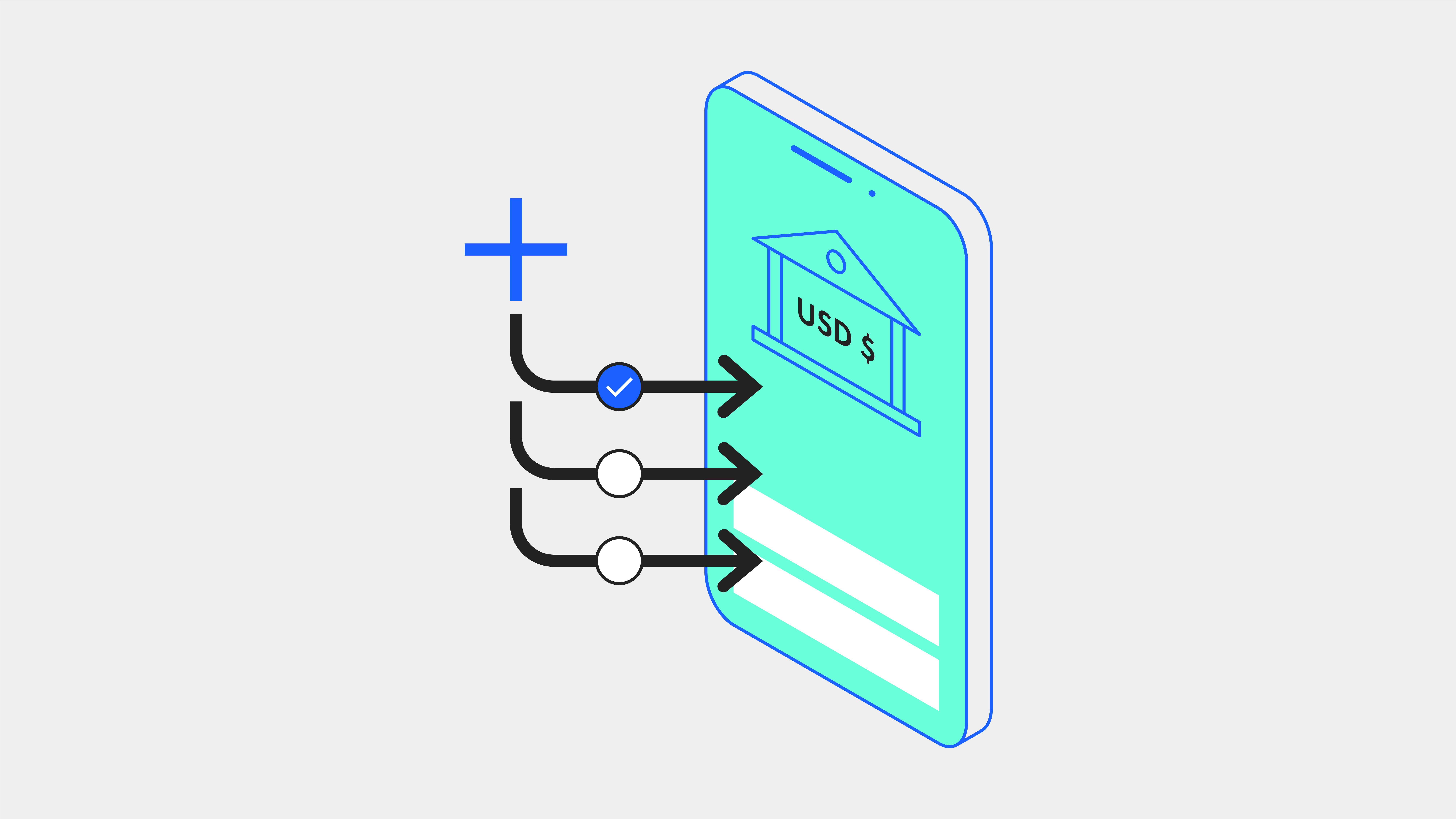
Onboarding journeys from 4 of our favourite US fintechs
It’s the final week of our One Fintech Nation series in association with Tech Nation. Here’s a quick review of our latest incredible podcast episode looking at how we can unite the nation in fintech and how everyone in the industry can work together. You can/should/need/have to listen to it now.

Why superstitions are important for financial services
We’re all aware of superstitions. Some of us a little more than others. Like digital finances, they don’t physically exist - but they’re far from a joke. Here are just a few of the reasons why FS companies should start brushing up on them. This article was written by Darja König - an Eleven intern who recently spent an action-packed six weeks in the Consulting and Research team. Alongside conducting customer research, identifying market opportunities and learning all about the business, she also wrote this awesome article. If you’re passionate about changing the fabric of financial services, check out our careers page.

Design drill down #5 | Spotlight on French fintech
In this design drill down, we’re exploring the different routes companies have taken to personify their artificial intelligence capabilities in an effort to build trust with customers and help them win with market demands.

Crypto is changing our financial literacy (for the better)
Crypto is democratising finance and it’s a beautiful thing to see.

4 onboarding journeys from exciting Australian fintechs
Onboarding is an essential part of the user experience. Last year, over 50% of customers applying for digital retail banking threw in the towel before they’d finished.

Why finbot accessibility will make you the next industry disruptor
Finbots are financial chatbots that, at the lowest level, can answer customer questions and perform basic tasks such as providing account balances or updating personal information.This article was written by Jilly Li - an Eleven intern who recently spent an action-packed six weeks in the Consulting and Research team. Alongside conducting customer research, identifying market opportunities and learning all about the business, she also wrote this awesome article. If you’re passionate about changing the fabric of financial services, check out our careers page.

Customers don’t care for your corporate jargon
Word soup. That's the jargon used to communicate the story and values of a business. It's what we tell our clients to actively pay attention to and what to avoid when working together to develop new disruptive propositions to take to market. This is taken from our Unfiltered newsletter. Subscribe now for a no BS, uncensored analysis of fintech news and hot topics delivered to your inbox each fortnight.
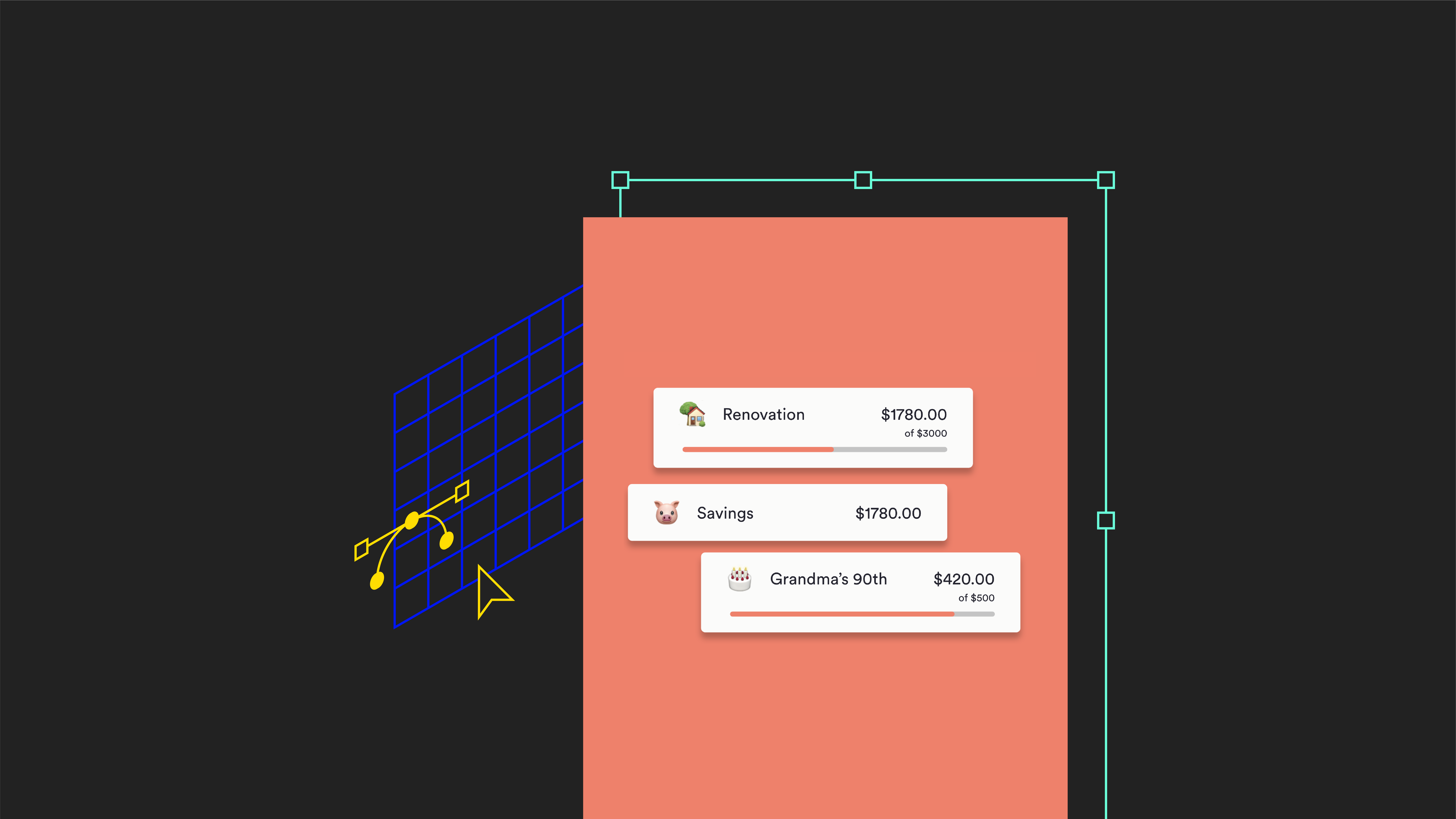
Design drill down #4 | Back to the drawing board
In this design drill down, we’re looking at how top French fintechs are transforming the way we bank with gesture-based actions and how they are simplifying insurance by putting the customer at the heart of the experience.
US fintechs using design to create impactful savings products
Credit cards are a mainstay of American life. As many parents teach their kids, using a credit card responsibly from a young age can lead to both financial and practical benefits later in life, such as better rates on loans and greater access to housing.

Forget agile, ethics is the new battleground
After a decade of intense innovation, the mood across global financial services has turned sharply. Optimism has given way to fear and long-term ambition has been shelved for short-term survival.
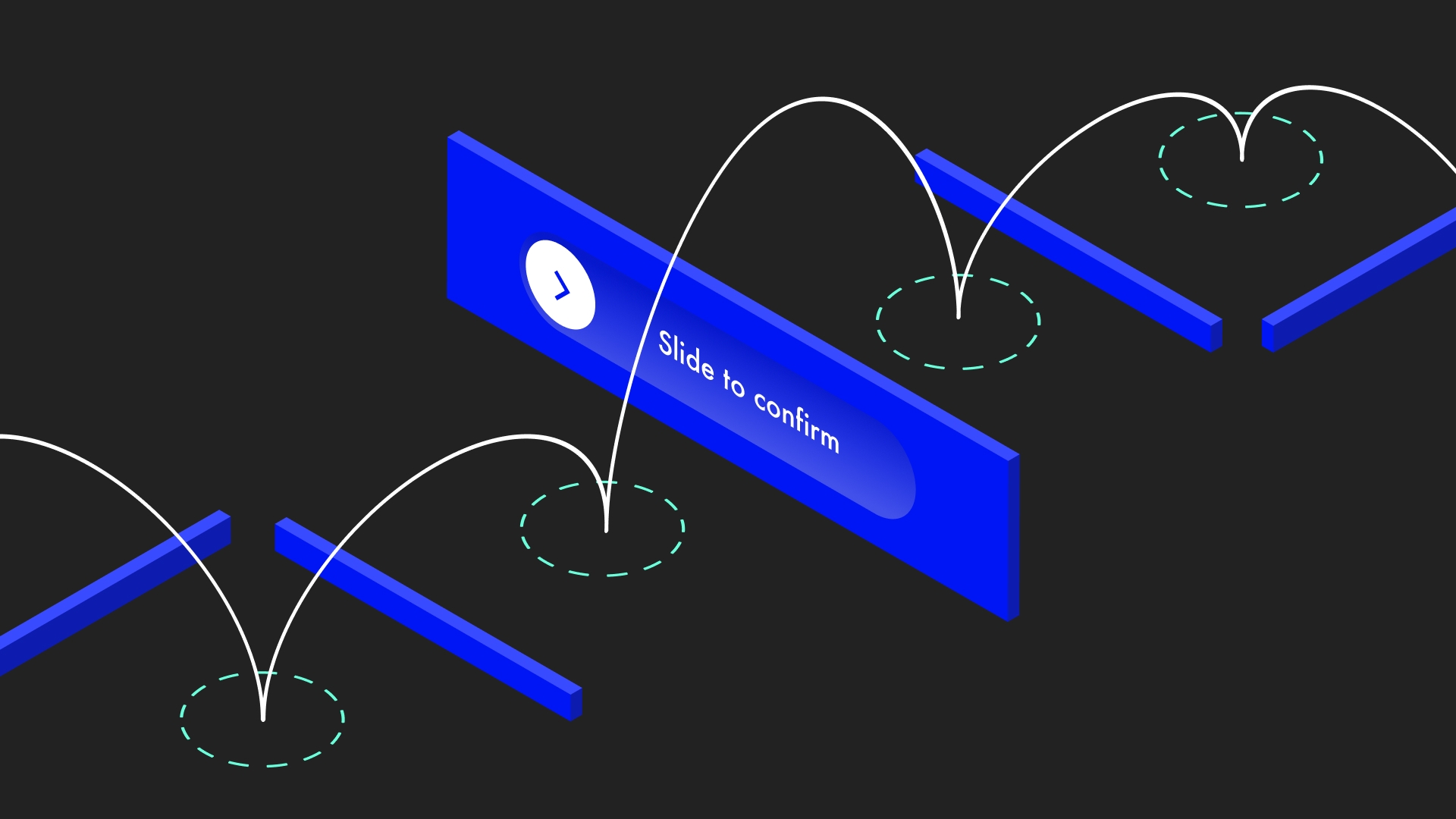
When creating frictionless experiences isn’t the best option
Making a user's experience seamless is the goal of every designer, but with real life implications for customer financial health, is it time we rethink our approach?

Want to build better customer solutions? Ask better questions
With 11:FS Pulse you can.

Are you producing prototypes too early?
There is a popular belief that you have to 'make it real' as quickly as possible – “come on, just f*****g build the thing - it's the only way to learn!”. In many scenarios this belief is a dangerous myth, and here's why...

105
1105. Insights: Who owns the banking relationship in the AI era?
As AI becomes another interface between customers and their money, could banks lose their place at the centre of the financial relationship?

1103
1103. Insights: Who’s winning the US digital banking race?
About this episode: US banking customers have more choice than ever. But does more choice mean better banking? Host Benjamin Ensor is joined by Joe Colchester, Head of Product at 11:FS Pulse, and Oliwia Wasik, Product Manager and Benchmar

1101
1101. Insights: Why does your financial life reset when you move countries? With Paymentology
About this episode: Moving countries has never been easier. But what happens when your financial identity doesn’t move with you? Host Benjamin Ensor is joined by Merusha Naidu, Global Head of Partnerships at Paymentology, Ibrahim Oladele

1099
1099. Insights: Subscription banking - Can banks turn customers into subscribers?
Subscription banking is growing – but what makes customers willing to pay for something they’ve traditionally expected for free?

1095
1095. Insights: Is financial services failing Gen Z?
Gen Z is often told it needs to get better with money. But with younger people facing a very different economic reality, does Gen Z really have a financial literacy problem — or does financial services have a Gen Z problem?

1089
1089. Insights: Why does wealth management arrive too late?
About this episode: For many founders, selling a company is seen as the finish line. But some of the biggest financial decisions around an exit happen long before the deal is done - so why does wealth management so often arrive too late?

1087
1087. Insights: Can anyone fix homebuying?
Buying a home is one of the biggest financial decisions most people will ever make. Yet despite years of digital innovation, the experience remains fragmented, stressful and surprisingly analogue.

1085
1085. Insights: Are Neobanks replacing private banking?
For years, neobanks competed by offering better banking experiences. Now, the biggest players are expanding into investing, AI-powered financial guidance, wealth management and premium services—areas once dominated by private banks.
.jpg)
1077
1077. Insights: What does it take to build the bank of the future? With Engine by Starling
In this episode, we're exploring what it takes to build modern banking technology from the ground up. Host Ross Gallagher - Head of Consulting at 11:FS - joined by Sam Everington, CEO of Engine by Starling, and Jody Bhagat, President of North America at Engine by Starling.

1061
1061. Insights: The advice gap: Are banks helping customers or protecting themselves?
Advice is regulated and personalised. Guidance is broader and safer - but that line is starting to blur.
.jpg)
1057
1057. Insights: From inertia to advocacy: Rethinking customer loyalty in fintech
What does customer loyalty really mean in financial services - and has it ever been real? In this episode of Fintech Insider Insights, Kate Moody is joined by Rosie Lee, Jas Shah, and Alex Johnson to unpack the shifting nature of loyalty in a world where switching is easier than ever.
.jpg)
1033
1033: Insights: How modern finance teams can win the next 10 years
On this week’s episode, in partnership with Pleo, host Benjamin Ensor is joined by Jeppe Rindom, Co-Founder and CEO of Pleo; Søren Westh Lonning, CFO at Pleo; and Megan Cooper, CEO of Caywood, to explore how the role of finance has evolved over the past decade - and what it will take for finance teams to win the next 10 years.
.jpg)
1018
1018: Insights: What it's actually like to build a fintech in the Middle East
In this special episode David M. Brear digs into what it really takes to succeed as a fintech startup in the Middle East alongside some special guests.
.jpg)
1017
1017: News -After Dark: Long live the high street bank! Revolut checks in with Booking.com, and Visa trials stablecoin payouts
Our expert host, David M. Brear, and co-host, Kate Moody, present Fintech Insider News live from Village Underground in London, joined by some fantastic guests to discuss the biggest fintech and financial services stories of the week.

Using Jobs to be Done to revolutionise SME Banking | 11:FS Explores
It's not just a buzzword.



11:FS Explores: Digital R.I.C.H.E.S ft. David M. Brear
11:FS CEO David M. Brear takes to the lightboard to give us the full run-down, with examples of companies that are leading the way.
Designing fintech propositions for a Middle Eastern market | 11:FS Explores
There’s no one-size-fits-all design proposition for the Middle-East. While emergent markets such as Oman, the UAE, Saudi Arabia, Kuwait and Bahrain are all seeking to diversify their economies...
How the Buy Now, Pay Later landscape is shifting with Amy Gavin | 11:FS Explores
Just what is going on with Buy Now, Pay Later right now?


Why Homebuying is broken and how to fix it | 11:FS Explores
There are one billion people globally who can't prove their identity. That's a big problem for accessing financial services.



960
Insights: The future of Revolut with UKCEO Francesca Carlesi
The UK banking battlefield has never been more competitive. Customers expectfinancial apps that are personalised, seamless, and that genuinely make a differenc...
960
Insights: The future of Revolut with UKCEO Francesca Carlesi
960
Insights: The future of Revolut with UKCEO Francesca Carlesi
The UK banking battlefield has never been more competitive. Customers expectfinancial apps that are personalised, seamless, and that genuinely make a differenc...
960
Insights: The future of Revolut with UKCEO Francesca Carlesi
960
Insights: The future of Revolut with UKCEO Francesca Carlesi