Content Hub


Global

Does your bank even care that you’re rich?
I’ve been thinking about HENRYs recently. Not the Henry who asked me to marry him - I was 8, he was 5 - although he does cross my mind occasionally. HENRYs, short for ‘High Earners Not Rich Yet’, was coined as a label by Shawn Tully in 2003.

The real differentiator in financial AI won't be intelligence. It will be trust.
If you listened to the headlines, you'd think the competitive race in financial services is about one thing: building the smartest AI. We think that's the wrong way to look at it.

Banks, it’s time to decide what kind of embedded banking player you are
Embedded banking without strategic intent is expensive theatre. Lots of APIs, lots of partnership announcements, lots of pilots, but not much revenue. And that’s the risk facing corporate banks right now.

Trust is the new infrastructure in agentic commerce
AI assistants already help people compare products, check availability and plan purchases. Agentic commerce extends that role to placing the order: a customer sets a budget and a few conditions, then gives the software permission to complete the purchase.

The payday playbook: Designing around the moment money lands
For most people, the month falls into two phases - before and after payday - when balances jump, debts feel manageable, and financial intentions come back within reach. But in most banking apps, payday is treated as a passive event.

The Agentic AI trap: More agents won’t transform financial services
Financial institutions are moving quickly into agentic AI. Coding agents, workflow agents, document agents, service agents and operational agents are already entering the enterprise. Many will create useful gains, some of them genuinely impressive. But that is not the real test.

Junior accounts are growing up
Barclays is acquiring the UK arm of GoHenry, a money app for 6 to 18-year olds. With a reported price tag of £180 million for around 500,000 active accounts, £360 per head is a chunky investment.

Positive friction: Why a little resistance helps
For the past decade, the banking industry has been focused on developing frictionless interfaces. Financial institutions have prioritised seamless transactions, instant gratification, and engaging gamified features in a bid to build the ultimate digital financial experience.

Targeted support is coming. But customer decision-making has already moved on.
The need for better, tailored support through the customer experience is clear, but few are accounting for the fundamental shift that financial services has experienced with the introduction of AI.


Financial services must move beyond inertia to cultivate long-term loyalty
Loyalty is defined as “a strong feeling of support or allegiance”. However, in the context of financial services, it is more accurately defined as engineered persistence: a series of subconscious cues that steer customers toward familiar choices.

Phishing-proof by design: The future of banking authentication
For years, banks have relied on OTPs as a second factor for logins and sensitive actions. Sent via SMS, these short codes were designed to add security on top of a password. But they have become one of the weakest and most frustrating parts of the banking experience.

Designing for the human behind the business
The people using business banking tools don’t necessarily have financial backgrounds. Many smaller businesses can't afford a dedicated finance team. Yet banks keep building products that assume expertise their customers don't have, leaving them to figure things out on their own.

The rise of subscription banking and why it needs to fit into customers' lives
As our financial lives become more complex, there is a growing expectation for banks to offer more support, be more relevant, and generate greater everyday value. One of the clearest places this shift is starting to show up is in subscription banking.

302
302. Insights: Women in financial services
It's International Women's Day and we have a show packed full of content and views from some great women working in financial services today.

87
87. Forked off
We. Are. Here. Today we bring you: Thailand approves some cryptocurrencies, FaceCoin and Nivaura raise $20m

301
301. News: Not cashless but less cash
David and Sarah are joined by some great guests to talk about some of the most interesting stories of the last 7 days. Including: We take a look at the fallout of the RBS Remedies fund pool A results, Goldman Sachs takes a bite out of the credit card market by teaming up with Apple and Lithuania reveals its' Top Gear-inspired strategy to become a fintech hub
300
300. Insights: This. Is. Fintech.
It's our 300th episode! That calls for something a little bit special so we have a roundtable of our hosts plus the person who's the reason Fintech Insider exists.
86
86. Too legit to quit
We. Are. Here. Today we bring you: Brazilian Bank embrace crypto, a European exchange giant is jumping on the crypto bandwagon and XRP the STD...finally!

299
299. News: Buzzwords for everyone
David and Simon are joined by Tom Blomfield and Romi Savova to talk about some of the most interesting stories of the last 7 days. Including: Britain's banks predicted to reveal the biggest profits since the financial crisis, the latest announcements from the RBS Remedies fund and Santander pays IBM $700M to help them transform.
298
298. Insights: The future of cloud
Sam Maule spoke to an incredible list of guests in this bumper episode to explore the far-reaching effects of Cloud for business.
85
85. JP Morgan do a coin
We. Are. Here. Today we bring you: JP Morgan do a coin, JP Morgan do a coin and JP Morgan do a coin. We have some other stories too.

34
34. News: Netflix for insurance
Sarah and Nigel are talking about the news this week including: Netflix for insurance, Insurtech in America and AI tackling insurance fraud.
Bonus: The future of interoperability
We. Are. Here. At Barclays Rise for the ION Hackathon. Clearmatics are doing a special bonus episode with us covering the day's events. We've got a bumper pack of interviews for you including conversations with some of the hackathon teams, including some very youthful competitors.
297
297. News: Talking poop
We're switching things up a bit for this episode, our US host Sam Maule was in the UK with fellow Americans (and American experts) Teana Baker-Taylor, Alexa Fernandez, Joaquin Ayuso de Paul and Mark Miesner to go over the best US stories of the past week. We bring you: The latest developments in the BB&T and Suntrust super-merger, Chime rings the changes as 10k new users sign up in 24hrs and Mastercard’s new sonic identity that’s going on tour.
296
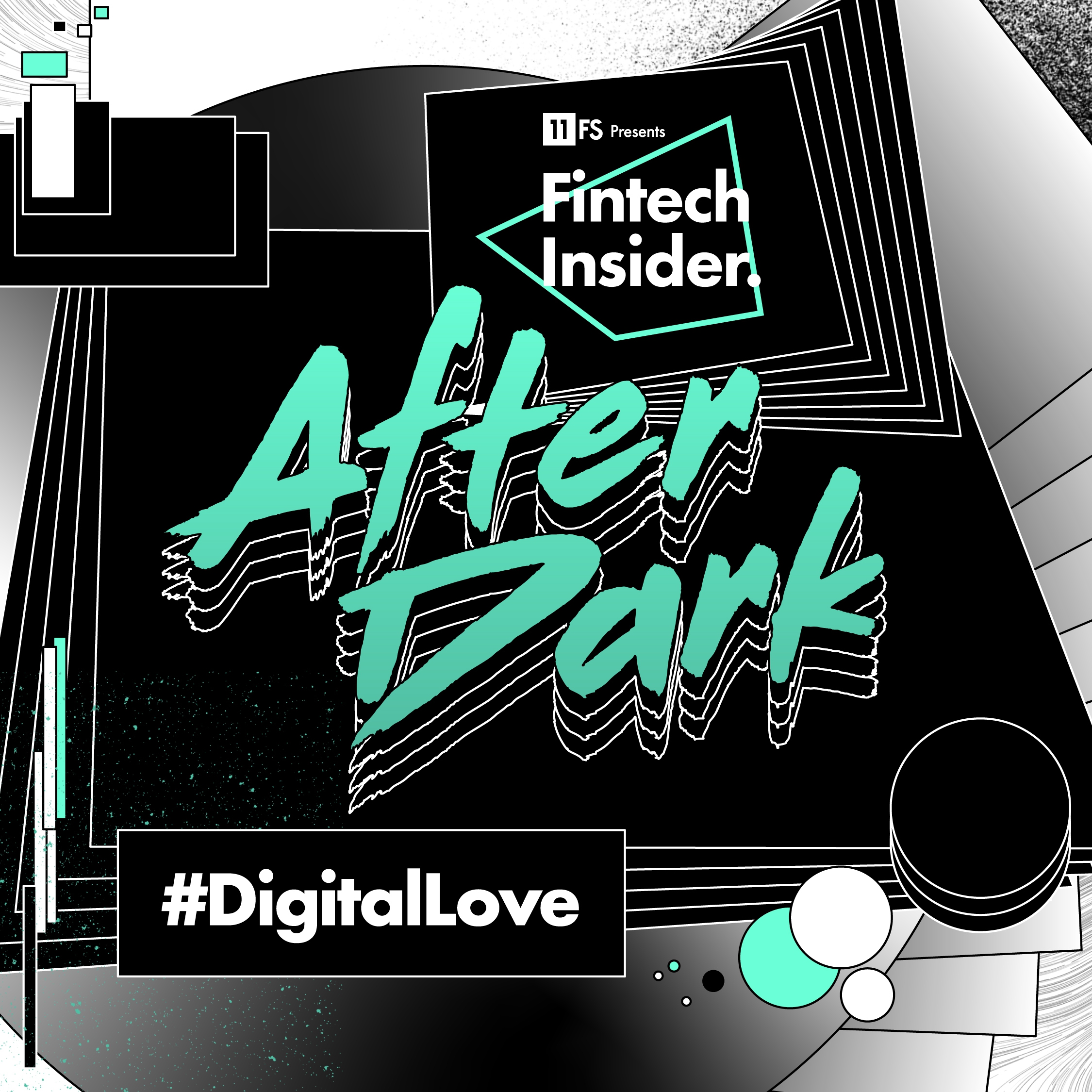
296. After Dark: Digital Love
We have an incredible After Dark episode for you. It's the first we've done in a while and sets the tone for what we believe will be the key aspects of fintech in 2019. Partnerships and digital love between banks and fintechs, two (or more!) companies coming together and working together to make each other stronger.
84
84. Does anyone need a blockchain?
We. Are. Here. Today we bring you: Dormant funds, the SEC still won’t let crypto be and do you really need a blockchain?
295
295. News: The Revolut will be advertised
David and Simon are joined by Iona Bain, Mel Palmer, Viktor Nebehaj and Saumeel Pachigar to chat through the biggest stories of the last 7 days. Including: Revolut’s Valentine’s day ad scandal, the banking backlash Down Under and BB&T's super merger and much much more.

294
294. Insights: Money and Mental Health
Sarah Kocianski's joined by some of the people involved in the heart of Money and Mental Health awareness, education and support. They are looking for solutions to the very real problems that the subject of money can cause when it comes to people’s mental health.








960
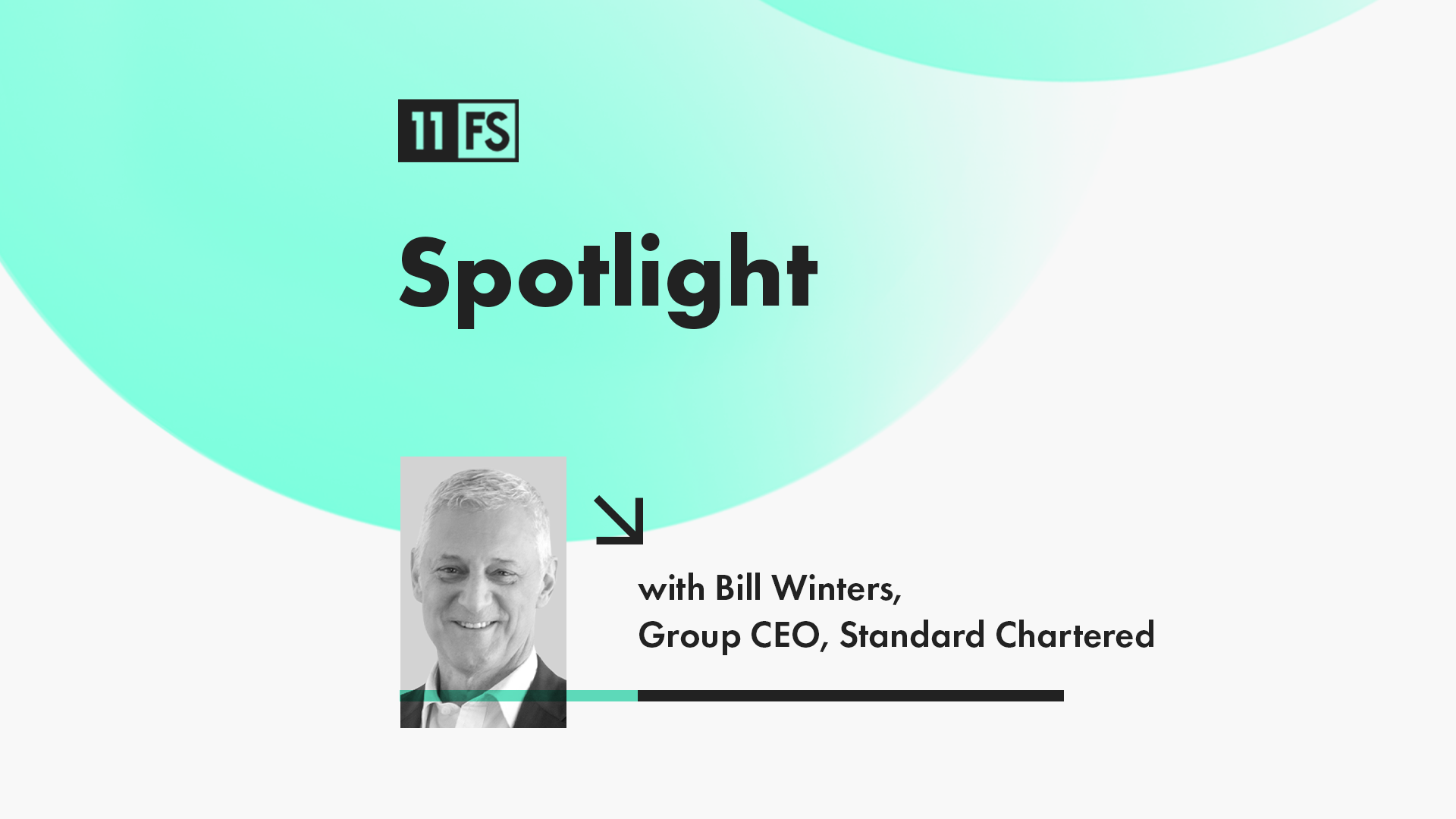
Insights: The future of Revolut with UKCEO Francesca Carlesi
The UK banking battlefield has never been more competitive. Customers expectfinancial apps that are personalised, seamless, and that genuinely make a differenc...
960
Insights: The future of Revolut with UKCEO Francesca Carlesi
960
Insights: The future of Revolut with UKCEO Francesca Carlesi
The UK banking battlefield has never been more competitive. Customers expectfinancial apps that are personalised, seamless, and that genuinely make a differenc...
960
Insights: The future of Revolut with UKCEO Francesca Carlesi
960
Insights: The future of Revolut with UKCEO Francesca Carlesi