Content Hub


Global

Does your bank even care that you’re rich?
I’ve been thinking about HENRYs recently. Not the Henry who asked me to marry him - I was 8, he was 5 - although he does cross my mind occasionally. HENRYs, short for ‘High Earners Not Rich Yet’, was coined as a label by Shawn Tully in 2003.

The real differentiator in financial AI won't be intelligence. It will be trust.
If you listened to the headlines, you'd think the competitive race in financial services is about one thing: building the smartest AI. We think that's the wrong way to look at it.

Banks, it’s time to decide what kind of embedded banking player you are
Embedded banking without strategic intent is expensive theatre. Lots of APIs, lots of partnership announcements, lots of pilots, but not much revenue. And that’s the risk facing corporate banks right now.

Trust is the new infrastructure in agentic commerce
AI assistants already help people compare products, check availability and plan purchases. Agentic commerce extends that role to placing the order: a customer sets a budget and a few conditions, then gives the software permission to complete the purchase.

The payday playbook: Designing around the moment money lands
For most people, the month falls into two phases - before and after payday - when balances jump, debts feel manageable, and financial intentions come back within reach. But in most banking apps, payday is treated as a passive event.

The Agentic AI trap: More agents won’t transform financial services
Financial institutions are moving quickly into agentic AI. Coding agents, workflow agents, document agents, service agents and operational agents are already entering the enterprise. Many will create useful gains, some of them genuinely impressive. But that is not the real test.

Junior accounts are growing up
Barclays is acquiring the UK arm of GoHenry, a money app for 6 to 18-year olds. With a reported price tag of £180 million for around 500,000 active accounts, £360 per head is a chunky investment.


Positive friction: Why a little resistance helps
For the past decade, the banking industry has been focused on developing frictionless interfaces. Financial institutions have prioritised seamless transactions, instant gratification, and engaging gamified features in a bid to build the ultimate digital financial experience.

Targeted support is coming. But customer decision-making has already moved on.
The need for better, tailored support through the customer experience is clear, but few are accounting for the fundamental shift that financial services has experienced with the introduction of AI.


Financial services must move beyond inertia to cultivate long-term loyalty
Loyalty is defined as “a strong feeling of support or allegiance”. However, in the context of financial services, it is more accurately defined as engineered persistence: a series of subconscious cues that steer customers toward familiar choices.

Phishing-proof by design: The future of banking authentication
For years, banks have relied on OTPs as a second factor for logins and sensitive actions. Sent via SMS, these short codes were designed to add security on top of a password. But they have become one of the weakest and most frustrating parts of the banking experience.

Designing for the human behind the business
The people using business banking tools don’t necessarily have financial backgrounds. Many smaller businesses can't afford a dedicated finance team. Yet banks keep building products that assume expertise their customers don't have, leaving them to figure things out on their own.

The rise of subscription banking and why it needs to fit into customers' lives
As our financial lives become more complex, there is a growing expectation for banks to offer more support, be more relevant, and generate greater everyday value. One of the clearest places this shift is starting to show up is in subscription banking.

83
83. Custody is still everything
We. Are. Here. Today we bring you: Facebook take a step forward in the blockchain world, Fidelity get ready to disrupt the crypto market and custody is still everything

33
33: Fraud in Pet Insurance
We are going to be talking about the pitfalls of pet insurance and the lengths fraudsters go to in an attempt to profit off insurers. We also examine what insurers are doing to combat fraud in the pet insurance industry.

293
293. News: Ain't nothing but a GFIN
Today we bring you: China’s app map allows you to dob in deadbeat debtors, Lloyds’ bring back 100% mortgages and HSBC’s new sound identity.

82
82. Everyone’s Warren Buffet in a Bull Market
We. Are. Here. Today we bring you: Chat app Kik in SEC “Royal Rumble”, Multicoin declares victory after losing 1/3rd of capital and long Bitcoin, short the bankers...?

291
291. News: My relationship is contactless
Today we bring you: Snoop Dogg investing in Klarna, Square launches a debit card for business and digging deep into the Aussie banking scene.
290
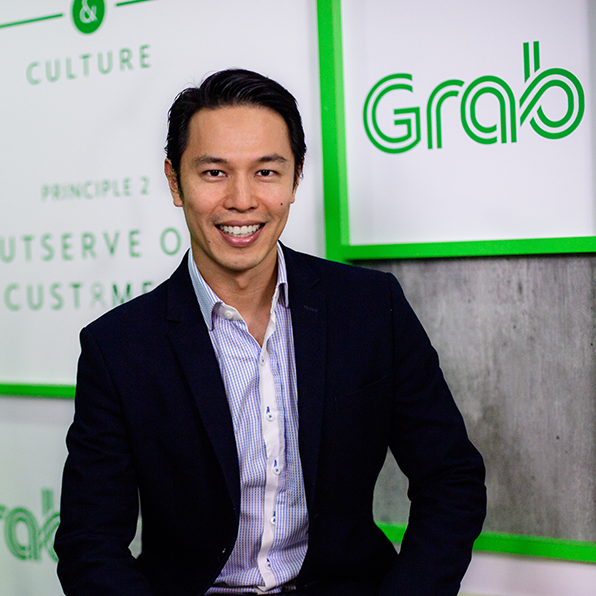
290. Interviews: Reuben Lai, Grab Financial Group
Simon interviews Reuben Lai to talk about taxis, ride-hailing and transforming into a fintech
81
81. The Best Anti-blockchain Blockchain idea
We. Are. Here. Today we bring you: ConstantiNOple, a look at if Bitcoin was manipulated and you can track your Cobalt on a Blockchain, who knew?

32
32: Helene Stanway and the latest news
We are going to be talking about the recent merger between AXA and the XL group and new division’s digital initiatives with Helene Stanway, Digital Leader at AXA XL.
289
289. News: Meaningful Merging
Today we bring you: Fiserv acquires First Data in a $22bn deal, The Fed has Reservations about Fintech and finally, Greggs vegan sausage roll helps its stock rocket on Freetrade. All this and much much more on today’s show

288
288. Interviews: Steve Bartlett, Social Chain
David interviews Steve Bartlett to talk about education, being social, marketing and media in business.
80
80. The Value of Bitcoin
We. Are. Here. Colin and Sara sit down with Anthony Macey, Teana Baker-Taylor and David Nicol to talk about the latest and greatest news in blockchain.
287
287. News: Bank like Rihanna
On this week's episode, David, Jason and Leda sit down with Jeppe Rindom, Saalim Chowdhury and Simon Vans-Colina to talk about the latest and greatest news in fintech.

286
286. Interviews: Howard Marks, Co-Founder, Activison and StartEngine
Simon interviews Howard Marks, Co-Founder and CEO of StartEngine. They take a look at innovating within technological limitations, turning around failing businesses and raising capital.
79
79. Regulating Treadmill
We. Are. Here. Simon's joined by Colin, from a field, to discuss the latest and greatest news in blockchain.
285
285. News: Techlash
On this week's episode, Simon and Adam sit down with Emily Nicolle and Valentina Kristensen to discuss the latest and greatest news in fintech.





960
Insights: The future of Revolut with UKCEO Francesca Carlesi
The UK banking battlefield has never been more competitive. Customers expectfinancial apps that are personalised, seamless, and that genuinely make a differenc...
960
Insights: The future of Revolut with UKCEO Francesca Carlesi
960
Insights: The future of Revolut with UKCEO Francesca Carlesi
The UK banking battlefield has never been more competitive. Customers expectfinancial apps that are personalised, seamless, and that genuinely make a differenc...
960
Insights: The future of Revolut with UKCEO Francesca Carlesi
960
Insights: The future of Revolut with UKCEO Francesca Carlesi