Content Hub


Learn about the latest FS trends and news, from industry experts.

Forget KYC. Fintech now needs to know your AI agent.
The rise of AI agents is introducing a strange new participant into the banking system. Increasingly, the person making a transaction might not actually be a person.

Stablecoins have momentum. But utility is what matters.
Stablecoins have gained significant momentum over the past year. We've seen growing interest from banks, fintechs and payment networks, alongside new partnerships and developments that are bringing digital currencies closer to mainstream financial services.

How banks can prove financial wellbeing support actually improves customers' lives
Digital banking apps are evolving from spending insights and budgeting tools, to personalised nudges, automated actions, and AI-powered coaching. As this shift happens, the burden of proof increases.
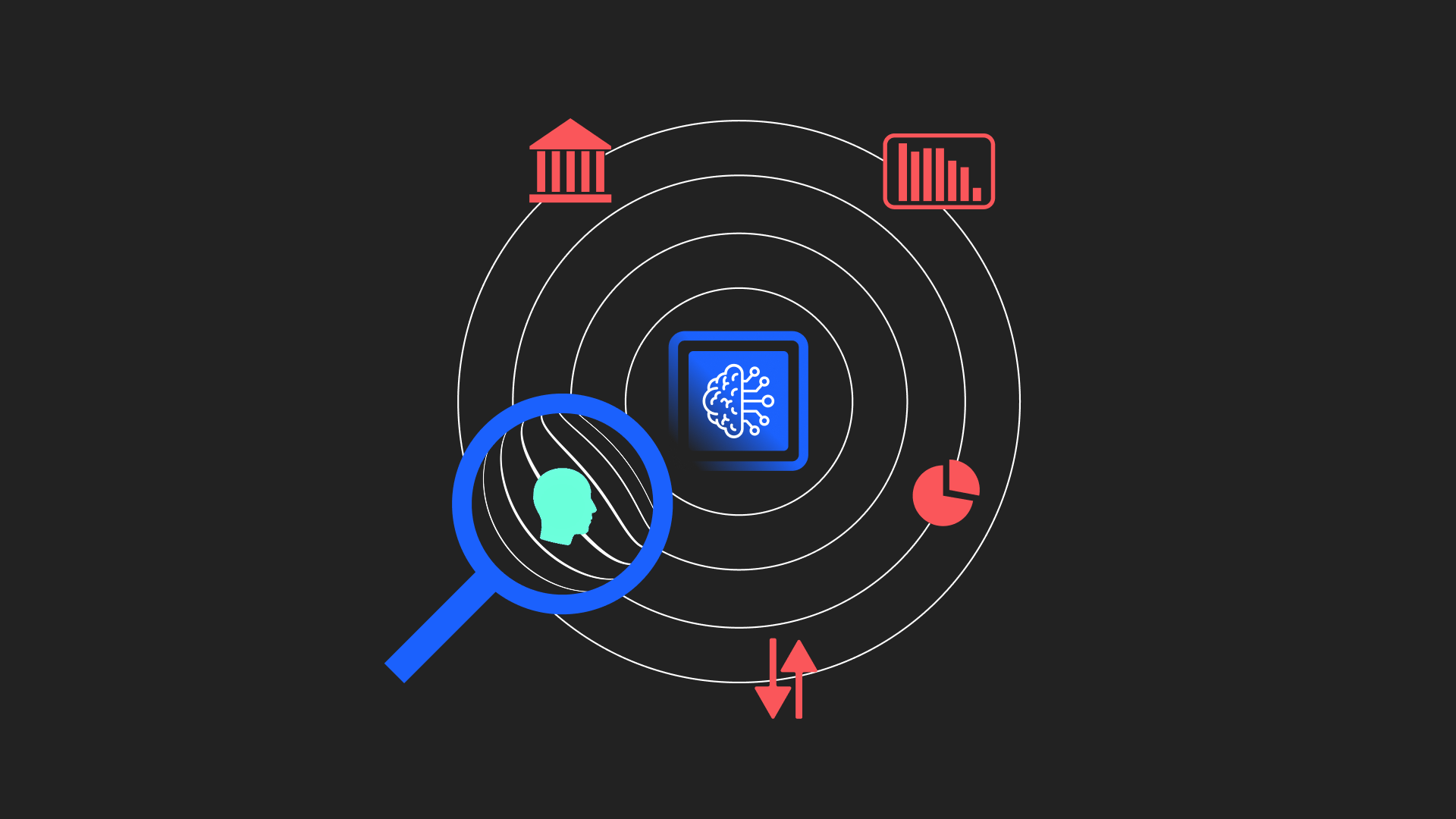
Your bank is solving the wrong AI problem
The promise of AI in banking is real. But success frequently gets defined as technological progress, not the customer being better off.

Does your bank even care that you’re rich?
I’ve been thinking about HENRYs recently. Not the Henry who asked me to marry him - I was 8, he was 5 - although he does cross my mind occasionally. HENRYs, short for ‘High Earners Not Rich Yet’, was coined as a label by Shawn Tully in 2003.

US Bank tops our first US mobile banking ranking
US Bank has taken the top spot in the first 11:FS Pulse ranking of US mobile banking apps, scoring 94 out of 100.

The Fitbit for your finances: Can banking apps actually improve our financial wellbeing?
Banks are borrowing from the digital wellness playbook: health checks diagnose, personalised insights track, automated tools build habits, and AI assistants are beginning to coach.

Is the UK finally catching up to America’s credit culture?
Over the last 18 months, UK credit card borrowing has accelerated, outstanding balances have surpassed pre-pandemic highs, and some of the UK’s largest fintechs are making increasingly aggressive moves into lending.

Trust is the new infrastructure in agentic commerce
AI assistants already help people compare products, check availability and plan purchases. Agentic commerce extends that role to placing the order: a customer sets a budget and a few conditions, then gives the software permission to complete the purchase.

The Agentic AI trap: More agents won’t transform financial services
Financial institutions are moving quickly into agentic AI. Coding agents, workflow agents, document agents, service agents and operational agents are already entering the enterprise. Many will create useful gains, some of them genuinely impressive. But that is not the real test.

Junior accounts are growing up
Barclays is acquiring the UK arm of GoHenry, a money app for 6 to 18-year olds. With a reported price tag of £180 million for around 500,000 active accounts, £360 per head is a chunky investment.


We've been talking about homebuying forever, so why is it still broken?
Financial services should be designing products and services that help buyers understand all of the costs involved in their end-to-end financial journey before committing.
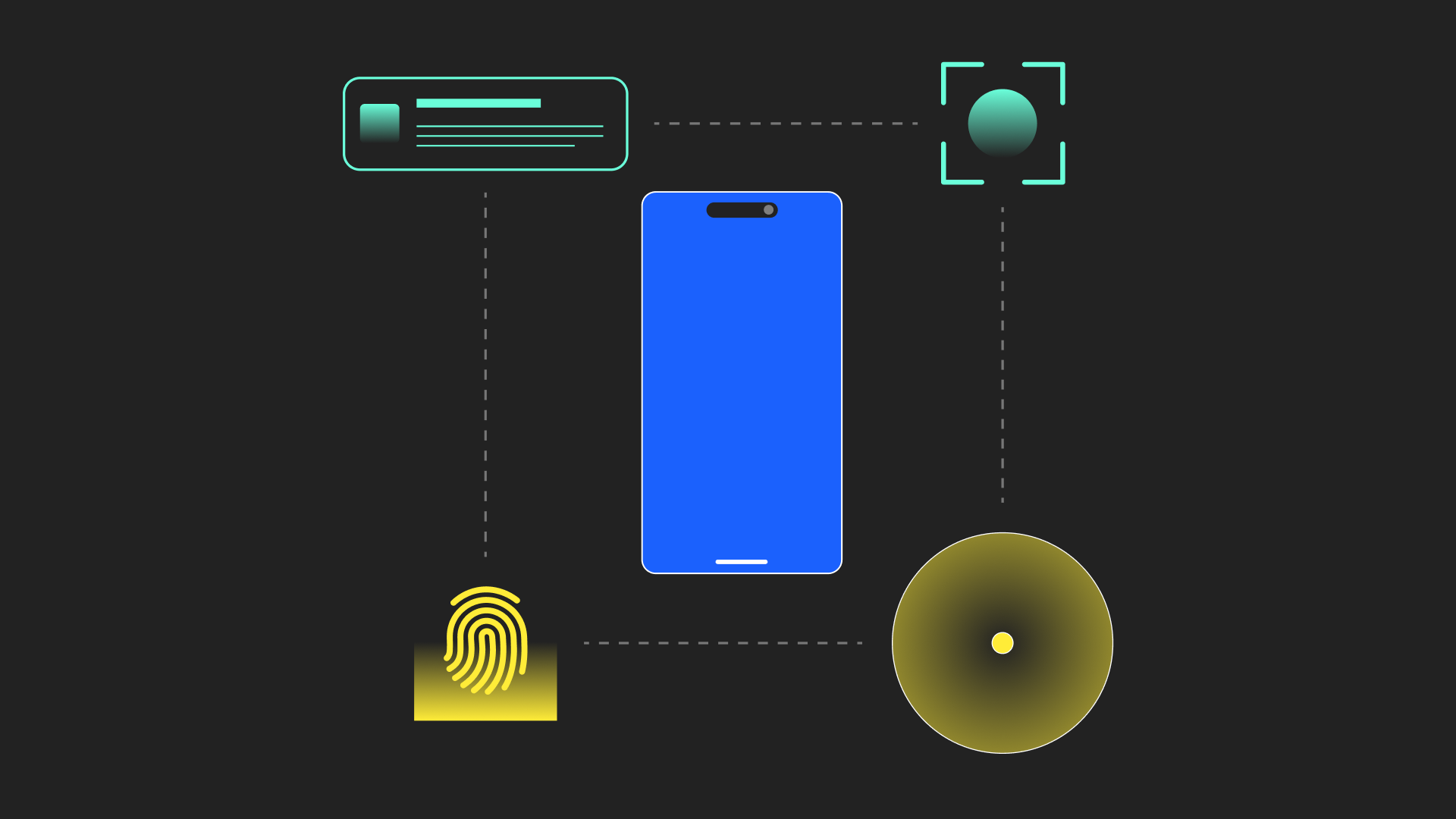
Positive friction: Why a little resistance helps
For the past decade, the banking industry has been focused on developing frictionless interfaces. Financial institutions have prioritised seamless transactions, instant gratification, and engaging gamified features in a bid to build the ultimate digital financial experience.

Targeted support is coming. But customer decision-making has already moved on.
The need for better, tailored support through the customer experience is clear, but few are accounting for the fundamental shift that financial services has experienced with the introduction of AI.

472
472. Insights: Open Banking two years on - how far have we come?
Sarah Kocianski is joined by some great guests to talk about Open Banking two years on and the key developments that have been made since then.
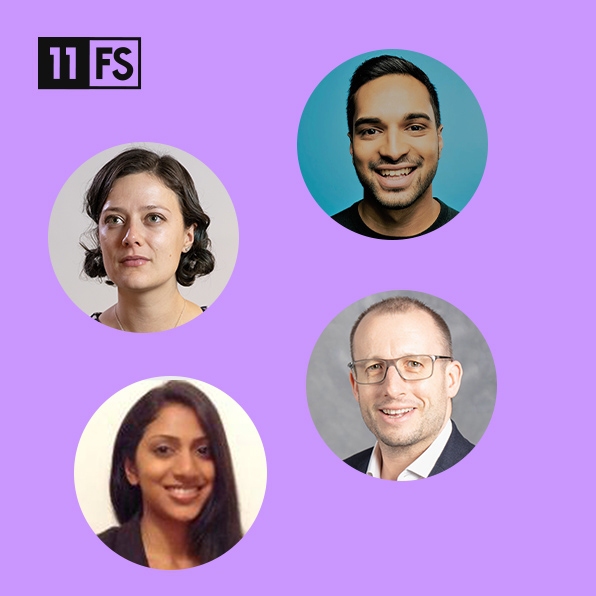
77
77. News: Lloyd's post-pandemic product review & Cover Genius' raise
Sarah Kocianski and Nigel Walsh are joined by a panel of guests to talk through the most interesting news from the insurance and insurtech sphere!

471
471. News: Klarna face backlash & Killer Mike launches a bank to support black businesses
Sam Maule and Kate Moody are joined by some great guests to talk about some of the most interesting stories of the last 7 days, including: Killer Mike launches a new digital bank, Klarna faces backlash after sending marketing emails to non-customers, and Square invests $50m in bitcoin!

470
470. Insights: Middle East fintech - revolutionising the region's financial landscape
Ross Gallagher is joined by some great guests to discuss how fintech and digital transformation is shaking up the financial landscape of the Middle East.

469
469. News: Who isn't launching a checking account?
Simon Taylor and Sarah Kocianski are joined by some great guests to talk about some of the most interesting stories of the last 7 days, including: Crowdcube and Seedrs' merge, the FCA’s new sandbox dedicated to overcoming coronavirus challenges, and Venmo launches a credit card, as Credit Karma launches a checking account.

468
468. Insights: COVID-19 - Mental health and financial wellbeing
For World Mental Health Day, David Brear is joined by some great guests to discuss money and mental health during the coronavirus pandemic.

76
76. Will COVID change health insurance?
Sarah Kocianski and Nigel Walsh are joined by a panel of guests to talk about health insurance post COVID-19!

467
467. News: Open Banking is working - but what comes next?
Sarah Kocianski and Ross Gallagher are joined by some great guests to talk about some of the most interesting stories of the last 7 days, including: Open Banking doubles its user base in 2020, Amazon's new payment method in the palm of your hand, and can Ping An rescue HSBC?

466
466. Insights: ESG and sustainable investing - the ethical future of finance
Simon Taylor is joined by some great guests to talk about the growth of ESG and sustainable finance

Bonus: Interview: Louise Smith, Chief Digital Officer at Lloyd's of London
David Brear is joined by Lotanna Ezeike, Co-Founder and CEO at XPO, in this bonus episode to bust some myths about social media influencers, and challenge David's opinions from a few episodes back. Tune in to find out more!

465
465. News: FinCEN Files leak and NatWest carbon footprint tracker
Simon Taylor and Ross Gallagher are joined by some great guests to talk about some of the most interesting stories of the last 7 days, including: The FinCEN file leak, Tink continues path to European domination, and NationWide claps back again racism.

464
464. Insights: Latin America - fintech's next hottest market
Sam Maule is joined by some fantastic guests from across Latin America to talk about development, growth and impact of fintechs in the region.

75
75. News: High Court tells SMB insurers to pay up
David Brear and Nigel Walsh are joined by a panel of guests to talk through xxx. All this and much much more on today's Insurtech Insider!

463
463. News: Can Alibaba Grab the SE Asian market?
Jason Bates and David Brear are joined by some great guests to talk about some of the most interesting stories of the last 7 days, including: Alibaba invest 3 BILLION in Grab, Klarna reaches an $11Bn valuation, and Microsoft dig up a data centre they buried underwater off the coast of Scotland 2 years ago.

462
462. Insights: How can public cloud drive business transformation?
David Brear is joined by some fantastic experts from IBM to discuss the opportunities that public cloud offer for business transformation in financial services.
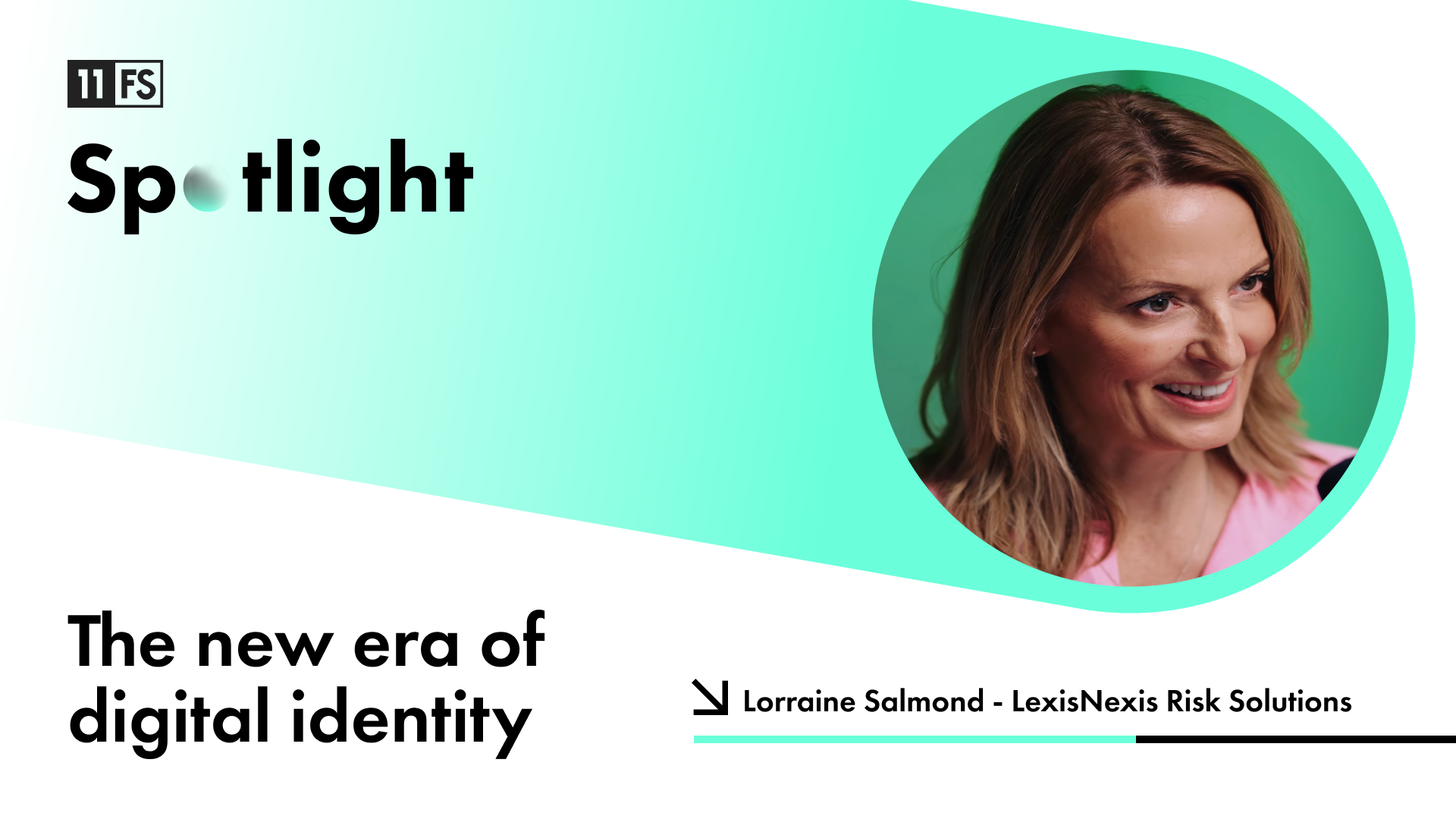
3 ways AI is shaking up UX in financial services | 11:FS Explores
The entire world is buzzing about AI, and that ain't changing anytime soon. But as AI becomes more integrated into our daily lives, what impact will it have on financial services and how people interact with them?





What are fintechs? - Decoding: Banks
Ever wanted to know what’s going on behind the scenes every time we make a payment?

How does banking regulation work? - Decoding: Banks
Regulation is essential. It stops banks from going bust or behaving badly.

How has software evolution influenced banking? - Decoding: Banks
The invention of the computer revolutionised banking in the 1950s.

How does lending work? - Decoding: Banks
Lending has been around for thousands of years and is one of the cornerstones of banking.

How can traditional banks win on the banking battlefield? - Decoding: Banks
They're down, but they're not certainly not out.

How do card networks operate? - Decoding: Banks
Mastercard and Visa are the two biggest credit card networks in the world.

How has the banking battlefield evolved? - Decoding: Banks
We kick off our Decoding: Banks series with a look at the banking landscape today and how we got here.

960
Insights: The future of Revolut with UKCEO Francesca Carlesi
The UK banking battlefield has never been more competitive. Customers expectfinancial apps that are personalised, seamless, and that genuinely make a differenc...
960
Insights: The future of Revolut with UKCEO Francesca Carlesi
960
Insights: The future of Revolut with UKCEO Francesca Carlesi
The UK banking battlefield has never been more competitive. Customers expectfinancial apps that are personalised, seamless, and that genuinely make a differenc...
960
Insights: The future of Revolut with UKCEO Francesca Carlesi
960
Insights: The future of Revolut with UKCEO Francesca Carlesi