Content Hub
.svg)
.svg)
Global

Does your bank even care that you’re rich?
I’ve been thinking about HENRYs recently. Not the Henry who asked me to marry him - I was 8, he was 5 - although he does cross my mind occasionally. HENRYs, short for ‘High Earners Not Rich Yet’, was coined as a label by Shawn Tully in 2003.

The real differentiator in financial AI won't be intelligence. It will be trust.
If you listened to the headlines, you'd think the competitive race in financial services is about one thing: building the smartest AI. We think that's the wrong way to look at it.

Banks, it’s time to decide what kind of embedded banking player you are
Embedded banking without strategic intent is expensive theatre. Lots of APIs, lots of partnership announcements, lots of pilots, but not much revenue. And that’s the risk facing corporate banks right now.

Trust is the new infrastructure in agentic commerce
AI assistants already help people compare products, check availability and plan purchases. Agentic commerce extends that role to placing the order: a customer sets a budget and a few conditions, then gives the software permission to complete the purchase.

The payday playbook: Designing around the moment money lands
For most people, the month falls into two phases - before and after payday - when balances jump, debts feel manageable, and financial intentions come back within reach. But in most banking apps, payday is treated as a passive event.

The Agentic AI trap: More agents won’t transform financial services
Financial institutions are moving quickly into agentic AI. Coding agents, workflow agents, document agents, service agents and operational agents are already entering the enterprise. Many will create useful gains, some of them genuinely impressive. But that is not the real test.
.png)
Junior accounts are growing up
Barclays is acquiring the UK arm of GoHenry, a money app for 6 to 18-year olds. With a reported price tag of £180 million for around 500,000 active accounts, £360 per head is a chunky investment.

Positive friction: Why a little resistance helps
For the past decade, the banking industry has been focused on developing frictionless interfaces. Financial institutions have prioritised seamless transactions, instant gratification, and engaging gamified features in a bid to build the ultimate digital financial experience.

Targeted support is coming. But customer decision-making has already moved on.
The need for better, tailored support through the customer experience is clear, but few are accounting for the fundamental shift that financial services has experienced with the introduction of AI.


Financial services must move beyond inertia to cultivate long-term loyalty
Loyalty is defined as “a strong feeling of support or allegiance”. However, in the context of financial services, it is more accurately defined as engineered persistence: a series of subconscious cues that steer customers toward familiar choices.

Phishing-proof by design: The future of banking authentication
For years, banks have relied on OTPs as a second factor for logins and sensitive actions. Sent via SMS, these short codes were designed to add security on top of a password. But they have become one of the weakest and most frustrating parts of the banking experience.

Designing for the human behind the business
The people using business banking tools don’t necessarily have financial backgrounds. Many smaller businesses can't afford a dedicated finance team. Yet banks keep building products that assume expertise their customers don't have, leaving them to figure things out on their own.

The rise of subscription banking and why it needs to fit into customers' lives
As our financial lives become more complex, there is a growing expectation for banks to offer more support, be more relevant, and generate greater everyday value. One of the clearest places this shift is starting to show up is in subscription banking.
.jpg)
1017
1017: News -After Dark: Long live the high street bank! Revolut checks in with Booking.com, and Visa trials stablecoin payouts
Our expert host, David M. Brear, and co-host, Kate Moody, present Fintech Insider News live from Village Underground in London, joined by some fantastic guests to discuss the biggest fintech and financial services stories of the week.
.jpg)
1016
1016: Is agentic commerce the future of payments? Live from Paris with J.P. Morgan
Live from Paris, David M. Brear steps into the heart of payments transformation - a shift that’s unfolding far beyond the checkout screen and deep within the financial stack.

1015
1015: News: PayPal launches BNPL in Canada, Coinbase expands into current accounts - and financial education hits the classroom
Host Laura Watkins, Director of Media and Marketing, is joined by a fantastic panel of guests as we dive into some of the biggest stories from the worlds of fintech, banking, and wider financial services this week.
.png)

.jpg)
.jpg)
.jpg)
.jpg)
.jpg)





932
932. Insights: How Zilch is redefining fintech: Business model, growth & IPO aspirations
Explore Zilch’s innovative business model, its UK success, global expansion challenges, and IPO ambitions. Plus, insights on fintech trends, digital commerce, and market regulations. Summarise this table Explore Zilch’s innovative business model, its UK success, global expansion challenges, and IPO ambitions. Plus, insights on fintech trends, digital commerce, and market regulations.

11:FS Explores: Legacy banking systems ft. David M. Brear
David M. Brear, our 11:FS CEO, takes us through legacy technology within banks - but of course, with a really cool Lightboard.

Fintech Marketing Podcast Season 2 Preview
Fintech Marketing Podcast Season 2: Coming soon
Fintech Insider Presents: After Dark - Open Finance: fact or fantasy?
After Dark - Open Finance: fact or fantasy?

What is Open Finance?
Banks are facing a lot of challenges compared to their fintech rivals.

11:FS Explores: Digital R.I.C.H.E.S ft. David M. Brear
11:FS CEO David M. Brear takes to the lightboard to give us the full run-down, with examples of companies that are leading the way.

Jeff Keltner from Upstart on what the future of lending will look like | Spotlight
What does the future hold for lending? Live from Lendit USA 2022.

What is UX and what makes UX good? 11:FS Explores
Will banks exist in 100 years?
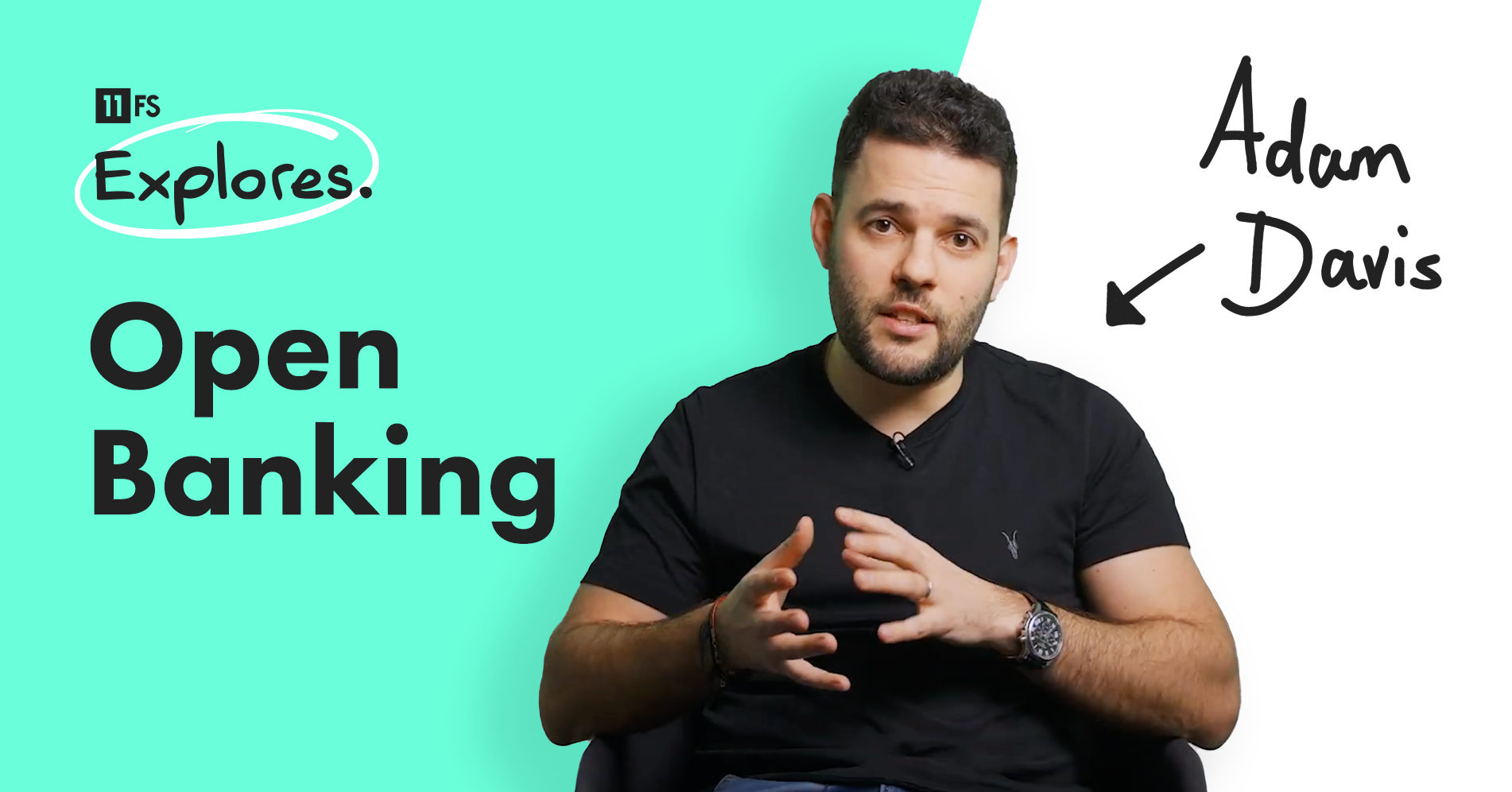
What is Open Banking? | 11:FS Explores
In this episode of 11:FS Explores, Adam Davis picks apart Open Finance, and what we have to look forward to if this technology became a reality.


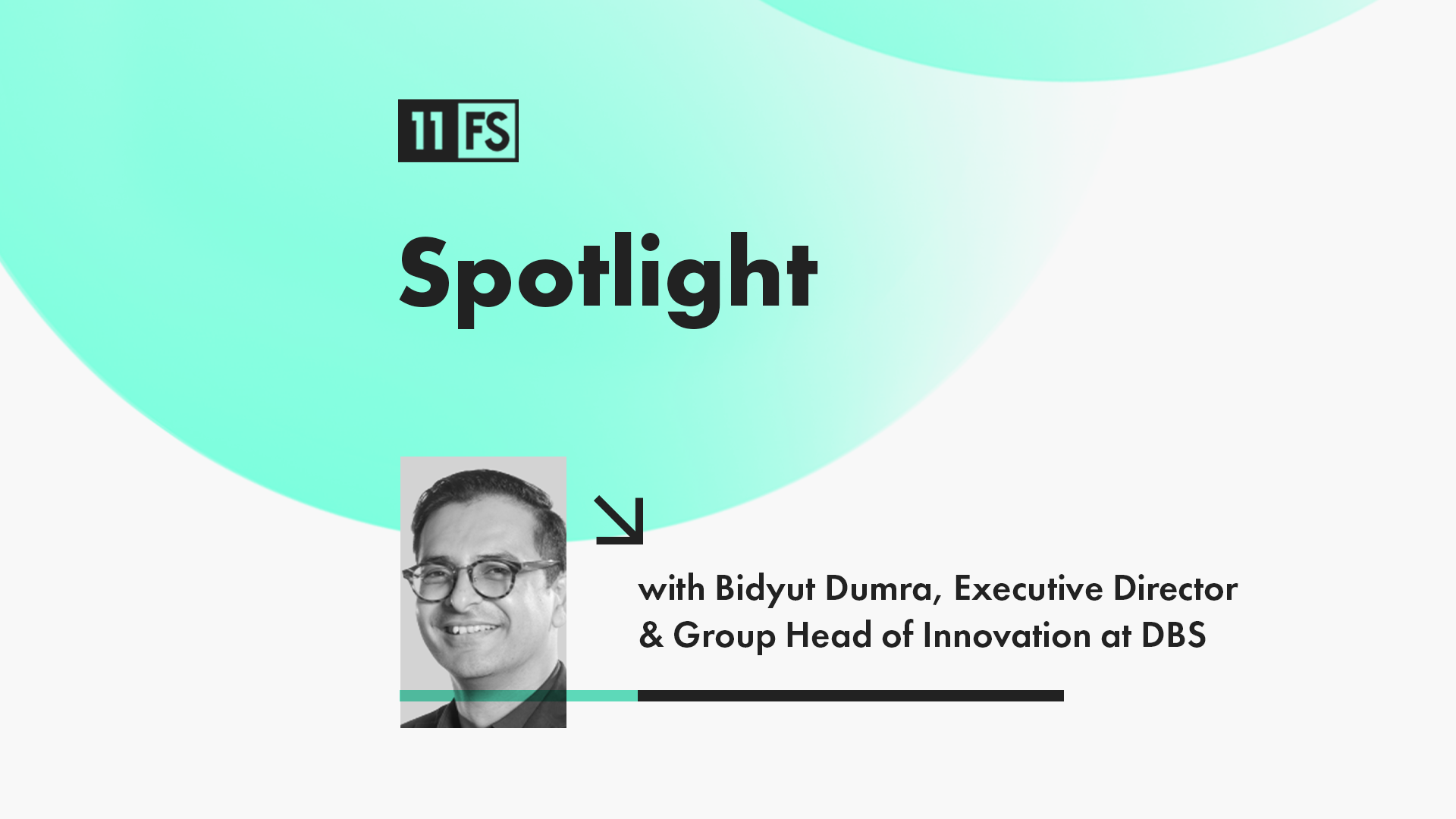
Unleashing creativity! A case study on sparking innovation with Bidyut Dumra from DBS | Spotlight
On this episode of Spotlight, 11:FS Crypto Global Strategy Director, Mauricio Magaldi is joined by Ramp Network Co-Founder and CEO, Szymon Sypniewicz. In today's chat, the pair discuss Szymon's career, the current regulatory landscape in crypto, and what the future might hold when it comes to widespread crypto adoption.


960
Insights: The future of Revolut with UKCEO Francesca Carlesi
The UK banking battlefield has never been more competitive. Customers expectfinancial apps that are personalised, seamless, and that genuinely make a differenc...
960
Insights: The future of Revolut with UKCEO Francesca Carlesi
960
Insights: The future of Revolut with UKCEO Francesca Carlesi
The UK banking battlefield has never been more competitive. Customers expectfinancial apps that are personalised, seamless, and that genuinely make a differenc...
960
Insights: The future of Revolut with UKCEO Francesca Carlesi
960
Insights: The future of Revolut with UKCEO Francesca Carlesi